

Key Takeaways
- Laser blackhead removal works by targeting excess sebum production and destroying the debris inside clogged pores, offering longer-lasting results than surface-only treatments.
- Several laser types are used — including Nd:YAG, fractional CO2, pico laser, and carbon laser peel — each with different mechanisms, suitability profiles, and downtime.
- Most patients require between three and six treatment sessions, with visible improvement typically appearing after two to three sessions.
- Laser treatments are generally safe across skin tones when performed by an experienced practitioner, but certain devices require specific caution for skin of colour to reduce the risk of post-inflammatory hyperpigmentation.
- Best outcomes often involve pairing laser sessions with appropriate topical skincare, such as retinoids or salicylic acid, and a consistent non-comedogenic routine at home.
What Are Blackheads and Why Are They Difficult to Treat?
Blackheads are a type of acne lesion formally known as open comedones. They form when a hair follicle becomes partially blocked by a combination of excess sebum — the natural oil produced by sebaceous glands — and dead skin cells. Unlike whiteheads, which are closed, open comedones remain exposed to air. This exposure causes the trapped material to oxidise, producing the dark or black appearance that gives blackheads their name. The colour comes from oxidation, not dirt, which is a common misconception.
Blackheads frequently appear on the nose, chin, forehead, and cheeks — areas where sebaceous glands are most active — but they can also develop on the back, chest, and shoulders. Hormonal changes during puberty, pregnancy, or menopause, along with genetics, stress, and certain medications such as corticosteroids or some contraceptives, can all increase the likelihood of developing blackheads by stimulating excess sebum production.
Surface treatments like pore strips or manual squeezing can clear blackheads temporarily, but they do not address the underlying causes. Because the sebaceous glands continue producing oil, blackheads tend to return. This is where professional treatment options, including laser-based approaches, aim to offer a more lasting benefit by working at a deeper level.
It is also worth noting the difference between blackheads and sebaceous filaments — small, hair-like structures that naturally line pores and can resemble blackheads. Sebaceous filaments are a normal feature of skin and will always refill quickly after removal. A qualified practitioner can help distinguish between the two during a consultation.
How Laser Blackhead Removal Works
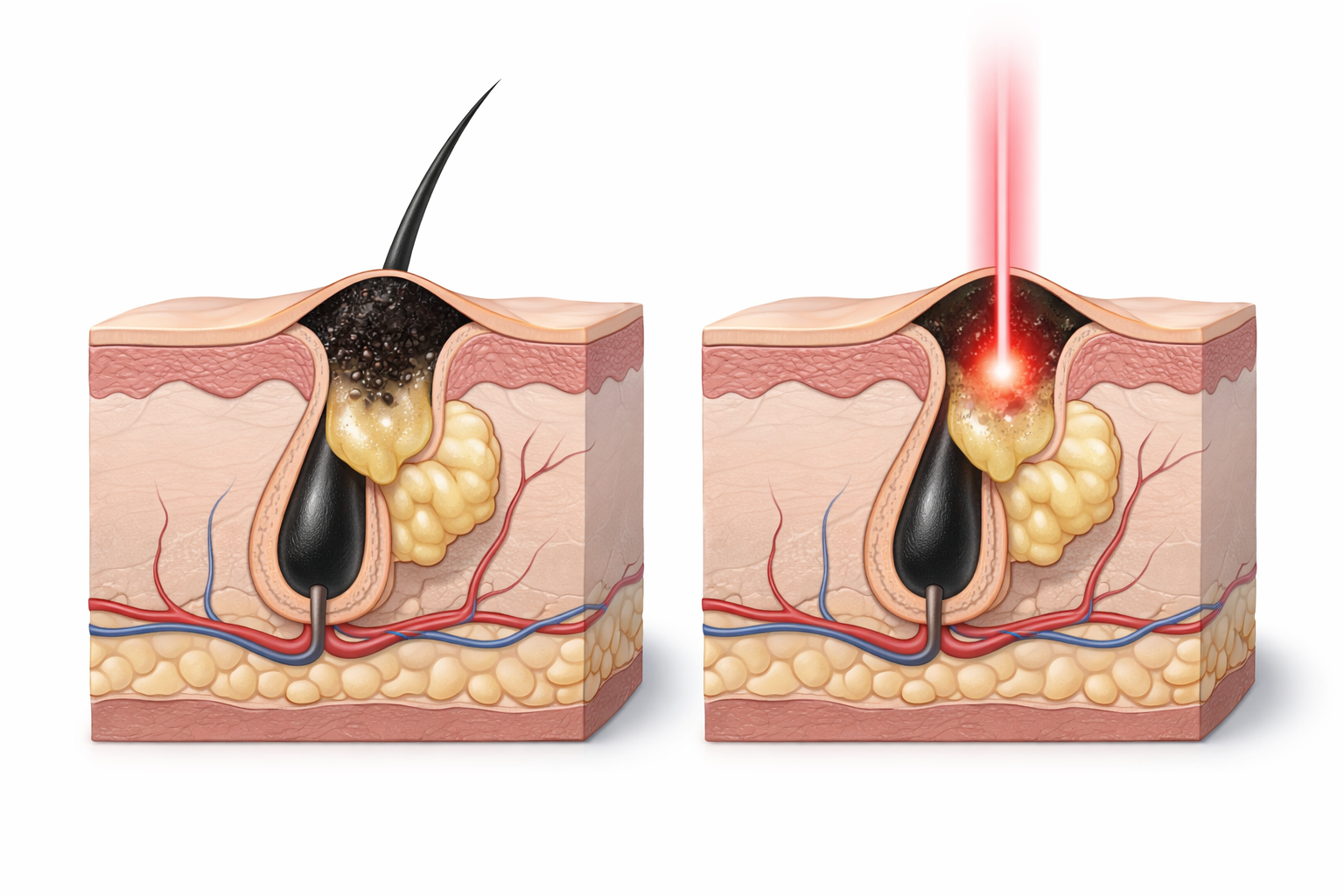
Laser treatment for blackheads works through several complementary mechanisms depending on the device used. In general, laser energy is directed at the skin in concentrated, controlled pulses. This energy is absorbed by the contents of clogged pores — including sebum, bacteria, and cellular debris — generating heat that can destroy the blockage and reduce the activity of the sebaceous glands responsible for excess oil production.
Beyond clearing existing blackheads, many laser devices also stimulate collagen production within the dermis. This collagen stimulation gradually improves overall skin texture, tightens the appearance of enlarged pores, and helps prevent future blockages by normalising the skin’s surface architecture. Some lasers additionally carry an antibacterial effect, which is relevant for patients whose blackheads are accompanied by inflammatory acne.
Because laser treatments address sebum regulation rather than simply removing surface material, they can reduce the frequency with which blackheads return — though they are unlikely to eliminate them permanently, particularly in individuals with hormonally driven or genetically active sebaceous glands. Managing expectations before starting treatment is an important part of the consultation process.
Types of Laser Used for Blackhead Removal
Different laser technologies approach the problem from different angles. The choice of device depends on skin type, the severity and distribution of blackheads, whether there is associated acne or scarring, and the patient’s tolerance for downtime.
Nd:YAG Laser
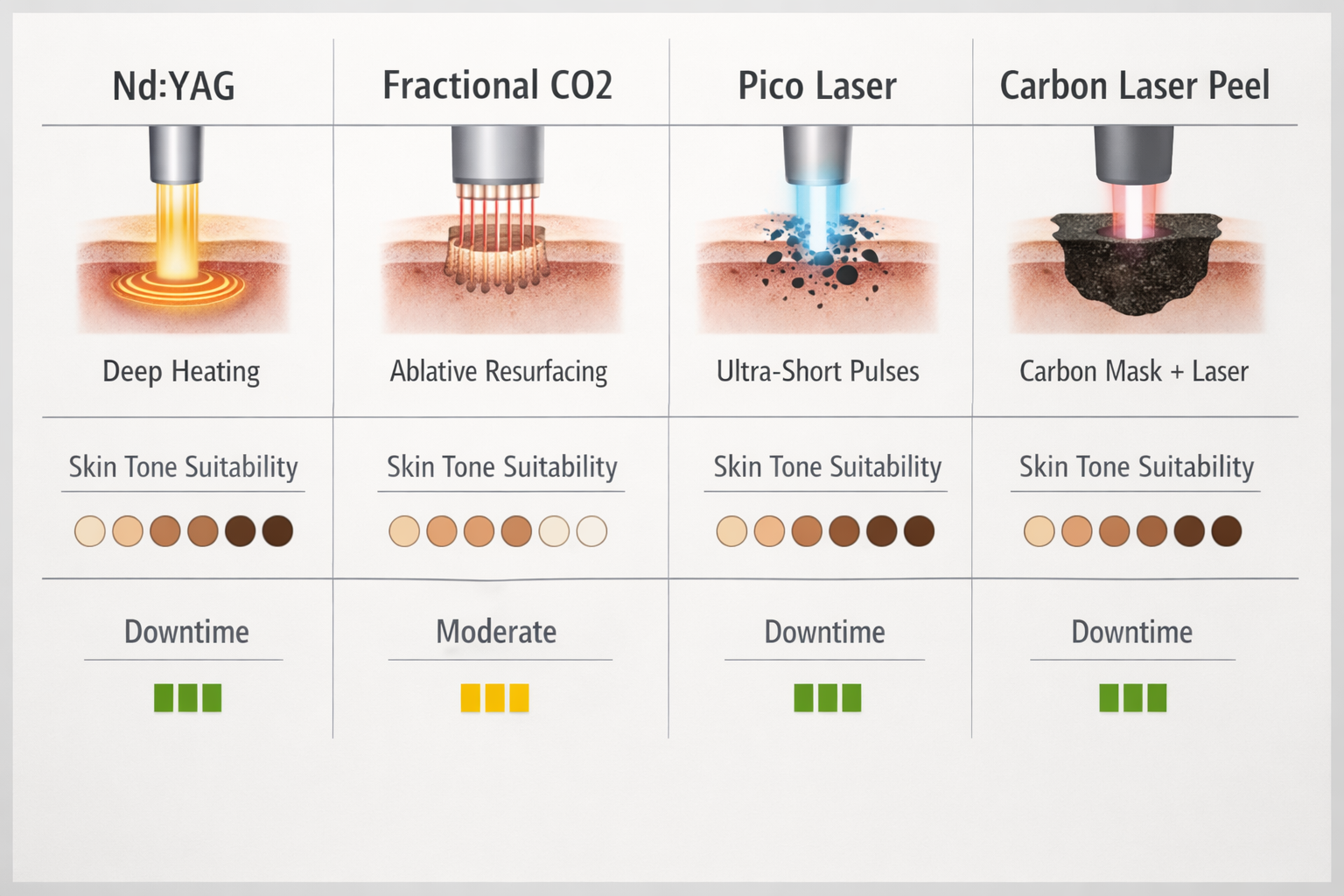
The Nd:YAG laser (neodymium-doped yttrium aluminium garnet) operates at a wavelength of 1064 nm, which penetrates deeply into the skin with relatively limited absorption by surface melanin. This makes the Nd:YAG laser a particularly useful option for patients with darker skin tones, as the risk of unwanted pigment changes is lower than with some other devices. It works by delivering heat energy to the sebaceous glands to reduce their activity and can also target the bacteria associated with acne-related blackheads. Nd:YAG is widely used in non-ablative skin resurfacing protocols and typically involves minimal downtime.
Fractional CO2 Laser
The fractional CO2 laser is an ablative device that creates microscopic channels in the skin’s surface, triggering a controlled wound-healing response. This process removes damaged outer skin layers, unblocks pores, and stimulates significant collagen production in the deeper dermis. The result is improved skin texture, reduced pore size, and clearer skin — but the fractional CO2 laser generally involves more downtime than non-ablative options, typically several days of redness and sensitivity. It is best suited to patients with fair to medium skin tones, and careful assessment is required before using it on skin of colour due to the elevated risk of post-inflammatory hyperpigmentation (PIH).
Pico Laser (Picosecond Technology)
Pico laser devices deliver energy in extremely short pulses measured in picoseconds (trillionths of a second). These photomechanical pulses shatter debris within clogged pores without generating the same level of thermal damage as longer-pulse lasers. Picosecond technology is considered suitable for a broader range of skin tones, including skin of colour, because its reduced thermal component lowers the risk of post-inflammatory hyperpigmentation. In addition to addressing blackheads, pico laser can improve overall skin tone and stimulate collagen remodelling. It is classed as a non-ablative laser with minimal recovery time.
Carbon Laser Peel
The carbon laser peel — sometimes called the Hollywood peel — involves applying a layer of liquid carbon to the skin before treating it with a Q-switched Nd:YAG laser. The carbon particles penetrate into the pores and absorb laser energy, which then vaporises both the carbon and the debris trapped within the follicle. The result is an immediate deep-cleansing effect alongside gentle skin resurfacing. Carbon laser peel is generally well tolerated, suitable for a range of skin types, and associated with very little downtime, making it a popular introductory or maintenance option for blackhead-prone skin.
AviClear and LaseMD
AviClear is an FDA-cleared laser device specifically designed to target the sebaceous glands by selectively suppressing excess sebum production. Unlike many laser platforms that address blackheads as a secondary benefit of broader skin resurfacing, AviClear was developed with sebaceous gland activity as its primary target, which is relevant for patients whose blackheads are driven predominantly by oily skin. LaseMD is a non-ablative laser that creates micro-channels in the skin to deliver active ingredients deeper into the dermis while promoting mild resurfacing and collagen stimulation. Both devices are typically used as part of a structured, multi-session treatment plan.
| Laser Type | Mechanism | Ablative? | Downtime | Skin Type Suitability | Typical Sessions |
|---|---|---|---|---|---|
| Nd:YAG | Deep heating, sebaceous gland suppression, antibacterial | No | Minimal | All skin tones including darker | 3–6 |
| Fractional CO2 | Ablative resurfacing, collagen stimulation, pore clearance | Yes | Several days | Fair to medium; caution with darker tones | 2–4 |
| Pico Laser | Photomechanical pulses, pore debris clearance, collagen remodelling | No | Minimal | Broad range including skin of colour | 3–6 |
| Carbon Laser Peel | Carbon-assisted Q-switched pore deep-cleansing and resurfacing | No | Very minimal | Broad range | 4–6 |
| AviClear | Sebaceous gland targeting, sebum suppression | No | Minimal | Broad range | 3 |
| LaseMD | Non-ablative micro-channels, mild resurfacing, collagen stimulation | No | Minimal | Broad range | 3–5 |
What Happens During a Laser Blackhead Removal Session?
Understanding what to expect during treatment helps patients prepare appropriately and reduces anxiety around the procedure. While the precise protocol varies by clinic and device, the general process follows a consistent structure.
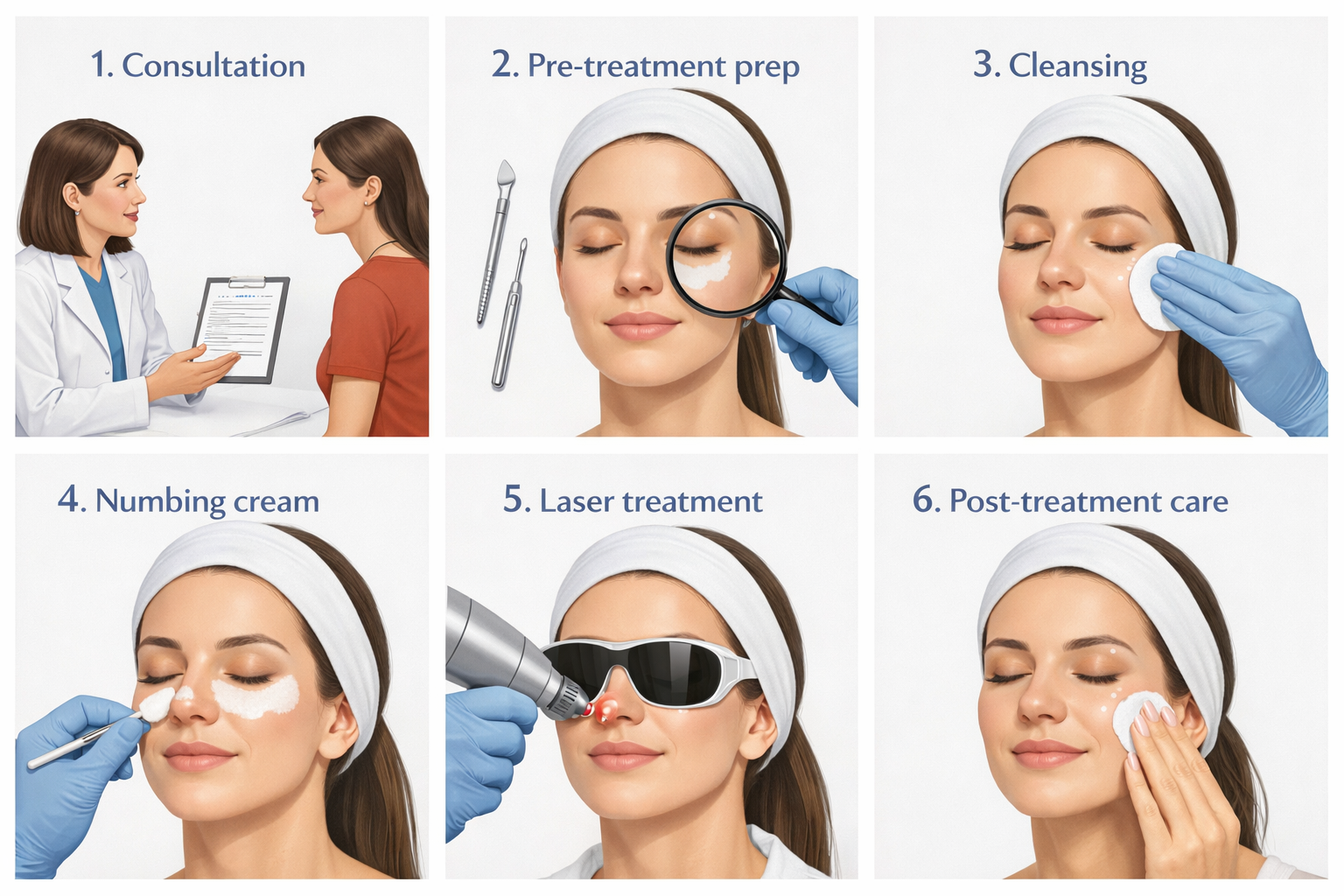
- Consultation and skin assessment: Before any laser treatment, a qualified practitioner assesses the patient’s skin type, blackhead distribution, acne history, and relevant medical history. This appointment determines which laser is most appropriate and identifies any contraindications.
- Pre-treatment preparation: Patients are typically advised to avoid sun exposure for at least one to two weeks before treatment. Certain skincare products — particularly retinoids and exfoliating acids — may need to be paused beforehand. The practitioner will advise on the specific pre-treatment requirements for the device being used.
- Skin cleansing: On the day of treatment, the skin is thoroughly cleansed to remove any makeup, oils, or skincare products from the treatment area.
- Topical numbing cream: For most laser types, a topical numbing cream is applied and left on the skin for approximately 20 to 30 minutes before the session begins. Some gentler protocols, such as the carbon laser peel, may not require numbing.
- Laser treatment: The practitioner uses a handheld laser device to deliver pulses of energy across the treatment area. A full-face session typically takes between 20 and 40 minutes depending on the device and the extent of the area being treated. Patients commonly describe the sensation as a warm snapping or tingling feeling — generally tolerable rather than significantly painful.
- Post-treatment care: Immediately after the session, the skin may appear pink or feel warm, similar to mild sunburn. A soothing serum or cooling mask is often applied in the clinic, and the practitioner will advise on aftercare for the following days.
How Many Sessions Are Needed and When Will Results Show?
Laser treatments for blackheads work gradually rather than producing an immediate overnight result. Most patients begin to notice improvement in skin texture and a reduction in pore congestion after two to three sessions. A full course typically involves three to six sessions spaced two to four weeks apart, though this varies depending on the device, the individual’s skin, and the severity of blackhead activity.
Maintenance sessions every six to twelve months are commonly recommended to sustain results, particularly for patients with hormonally active or genetically oily skin. Without maintenance, excess sebum production may gradually resume, increasing the likelihood of blackheads returning. A realistic treatment plan should be discussed and agreed upon during the initial consultation rather than decided session by session.
Laser Blackhead Removal vs. Other Treatments
Laser is one of several professional approaches to blackhead management. Each option has different strengths, limitations, and appropriate use cases.
| Treatment | Mechanism | Efficacy for Blackheads | Downtime | Addresses Root Cause? | Maintenance Required? |
|---|---|---|---|---|---|
| Laser treatment | Sebum reduction, pore clearance, collagen stimulation | High with course of sessions | Minimal to moderate | Partially (sebum control) | Every 6–12 months |
| Manual extraction | Physical removal of comedone contents | Immediate but temporary | None to minimal | No | Ongoing (monthly facials) |
| Chemical peel | Exfoliation of dead skin cells, pore-clearing acids | Moderate | Minimal to several days | Partially (exfoliation) | Regular sessions |
| Microdermabrasion | Mechanical exfoliation of skin surface | Mild to moderate | Minimal | No | Ongoing |
| Pore strips | Adhesive surface extraction | Low, surface only | None | No | Frequent use |
| Topical retinoids | Normalises cell turnover, reduces pore congestion | Moderate over time | Initial skin adjustment | Partially (cell turnover) | Ongoing daily use |
Manual extraction by a trained aesthetician or dermatologist can clear blackheads quickly and is a reasonable short-term option, but the results are temporary and the procedure needs repeating monthly or more frequently. Chemical peels using ingredients such as salicylic acid or glycolic acid improve the exfoliation of dead skin cells and can reduce the appearance of open comedones over a series of sessions, though they offer less targeted sebum control than laser. Microdermabrasion provides mechanical exfoliation but works primarily on the skin’s outer surface and does not address sebaceous gland activity.
For many patients, a combination approach works best: laser sessions to reduce oil production and resurface the skin, paired with consistent topical treatments such as retinoids or salicylic acid at home to maintain the results between appointments.
Side Effects, Risks, and Skin of Colour Considerations
Laser blackhead removal is generally well tolerated when carried out by a qualified, experienced practitioner using an appropriate device. The most common side effects are temporary and include redness, mild swelling, and skin sensitivity immediately after treatment. These effects typically resolve within a few hours to a couple of days, depending on the intensity of the laser used.
More significant risks include post-inflammatory hyperpigmentation (PIH) — darker patches of skin that can develop in response to inflammation — and, in rare cases, scarring or changes in skin texture if the laser is used incorrectly. These risks are not unique to laser treatment but are particularly relevant when selecting the right device for each patient’s skin type.
Patients with skin of colour require careful practitioner assessment before laser treatment. Certain wavelengths and laser types — particularly ablative devices like fractional CO2 — carry a higher risk of triggering post-inflammatory hyperpigmentation in darker skin tones, because melanin-rich skin absorbs more thermal energy. Non-ablative options such as Nd:YAG and pico laser are generally considered safer for a broader range of skin tones, including darker complexions, when used by a practitioner experienced in treating skin of colour. This is an area where clinic expertise and device selection matter significantly, and patients should ask specifically about the practitioner’s experience with their skin type before proceeding.
Aftercare: Supporting Your Results
Following post-treatment aftercare guidance consistently is important for both comfort and long-term results. In the days immediately after a laser session, the skin is more sensitive and vulnerable to UV damage, so applying a broad-spectrum SPF 30 or higher every morning is essential — and avoiding prolonged sun exposure during this period is strongly advised.
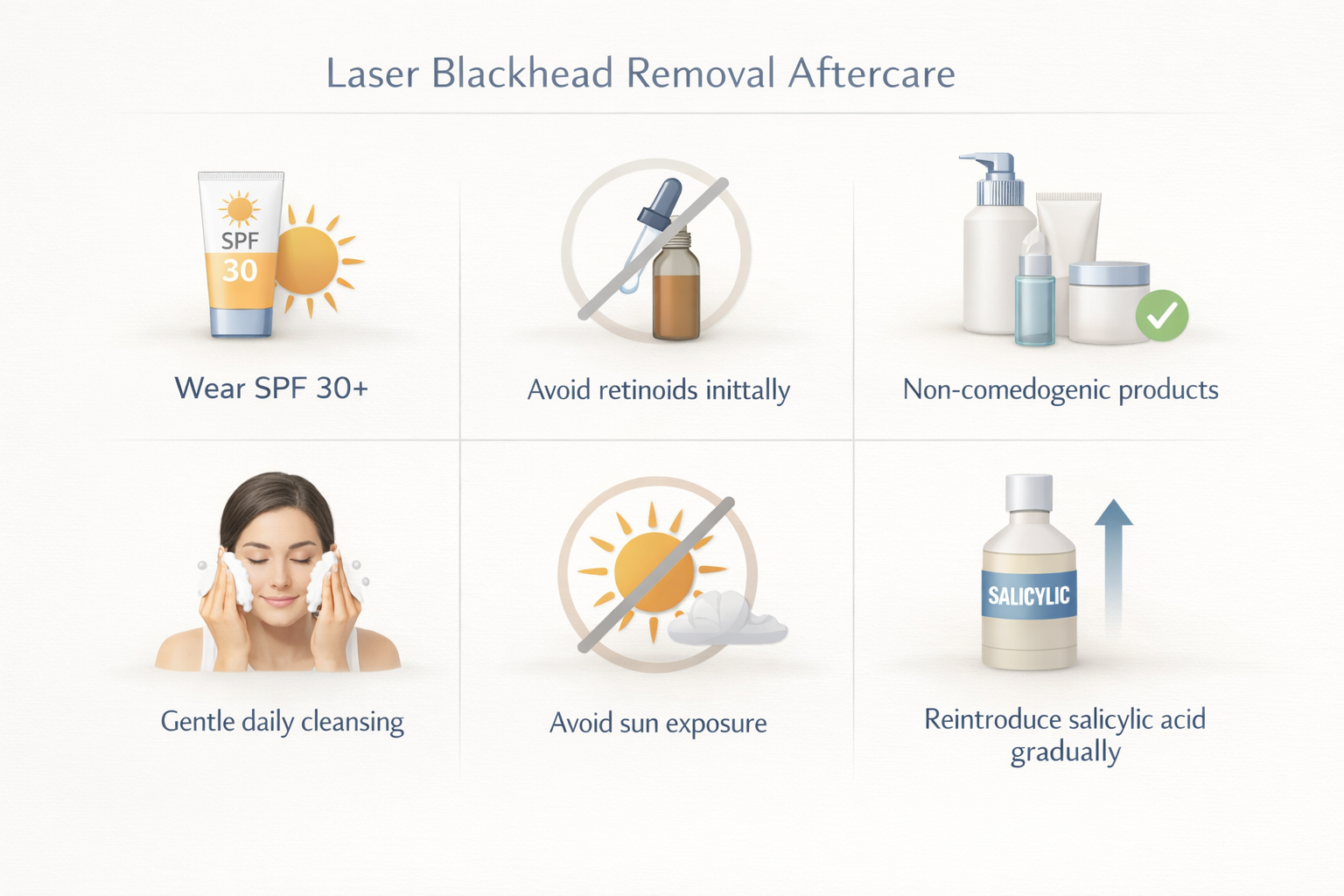
Most practitioners recommend temporarily avoiding active skincare ingredients — including retinoids, exfoliating acids, and vitamin C serums — for several days post-treatment, until the skin has settled. Once the skin has recovered, gradually reintroducing salicylic acid and retinoids is beneficial for maintaining clear pores and controlling sebum between sessions.
Choosing non-comedogenic skincare products and makeup — meaning formulations specifically designed not to block pores — helps prevent new blackheads from forming in between treatments. Twice-daily gentle cleansing removes excess oil and surface debris without stripping the skin barrier. These habits, maintained consistently, extend the pore-minimising benefits of laser treatment and reduce how frequently maintenance sessions are needed.
Who May Be a Good Candidate — and Who May Not
Laser blackhead removal may be suitable for patients who have persistent or widespread blackheads that have not responded adequately to topical treatments or in-clinic facials, who have oily or acne-prone skin where excess sebum production is a consistent problem, or who are seeking a treatment that also improves overall skin texture and tone. It can be considered across a wide range of skin types when the appropriate laser is selected.
Laser treatment may not be appropriate for individuals who are pregnant or breastfeeding, have an active skin infection, open wounds, or inflammation in the treatment area, or are taking certain photosensitising medications. Patients with a history of keloid scarring should discuss this with their practitioner, as ablative laser treatments carry an elevated risk. Those with very dark skin tones should specifically seek a practitioner experienced in treating skin of colour, and may be better suited to non-ablative or picosecond options rather than ablative devices. A thorough consultation is the appropriate way to assess individual suitability.
Frequently Asked Questions
Is laser blackhead removal painful?
Most patients describe the sensation as a mild snapping or warming feeling rather than significant pain. The application of a topical numbing cream before treatment helps manage discomfort, and most people find the procedure tolerable. Gentler options such as the carbon laser peel tend to involve very little discomfort at all.
How many sessions will I need before seeing results?
Improvement is usually noticeable after two to three sessions. A full course typically involves three to six sessions depending on the device and the severity of blackhead activity. Your practitioner will recommend a session plan based on your individual skin assessment.
Will laser treatment permanently remove blackheads?
Laser treatment can significantly reduce blackheads and slow their return by addressing excess sebum production and improving pore structure, but it is unlikely to eliminate them permanently — particularly if hormonal or genetic factors are driving sebaceous gland activity. Maintenance sessions every six to twelve months are generally recommended.
Is laser treatment safe for darker skin tones?
Yes, laser blackhead removal can be safe for skin of colour, but the choice of device matters. Non-ablative options such as the Nd:YAG laser and pico laser are generally better suited to darker skin tones because they carry a lower risk of post-inflammatory hyperpigmentation compared with ablative devices like the fractional CO2 laser. Practitioner experience with skin of colour is equally important.
Can laser treatment be combined with other blackhead treatments?
Yes, and combination approaches often produce the best outcomes. Pairing laser sessions with topical skincare — particularly retinoids and salicylic acid — helps maintain clear pores between appointments. Some clinics also incorporate professional extractions or superficial chemical peels alongside laser as part of a broader treatment plan.
How much does laser blackhead removal cost?
Pricing varies depending on the laser type, the size of the area being treated, clinic location, and the number of sessions in a course. Single session costs in the UK typically range from around £100 to £400 or more for advanced devices. Many clinics offer multi-session packages at a reduced per-session rate. A consultation is usually needed before an accurate quote can be given.
Are there any treatments I should avoid before a laser session?
Yes. In the weeks before treatment, practitioners generally advise avoiding excessive sun exposure, tanning beds, and self-tan products. Retinoids and exfoliating acids are usually paused in the days beforehand. Any prescription medications or supplements should be disclosed at consultation, as some can affect how the skin responds to laser energy.
Is Laser Treatment the Right Approach for Your Blackheads?
Laser blackhead removal is a clinically established approach that goes beyond surface clearance by targeting excess sebum production, unblocking clogged pores, and improving overall skin texture through collagen stimulation. For patients with persistent, widespread, or frequently returning blackheads — particularly those with oily or acne-prone skin — laser treatment can offer a meaningful and longer-lasting improvement compared with topical products or manual extractions alone.
The treatment is not a single universal solution. The right laser type depends on your skin tone, blackhead severity, lifestyle, and tolerance for downtime. Results develop gradually across a course of sessions and are best maintained through a consistent skincare routine using non-comedogenic products alongside periodic maintenance sessions. Combining laser with appropriate topical treatments such as retinoids or salicylic acid generally produces better outcomes than laser alone.
If you are considering laser treatment for blackheads, booking a consultation with a qualified practitioner who can assess your skin type, recommend the most appropriate device, and outline a realistic treatment plan is the recommended first step. This ensures that the approach chosen is both suitable for your skin and aligned with what you are hoping to achieve.
