

Quick Comparison
| Feature | Aqualyx | Lemon Bottle |
|---|---|---|
| Origin | Italy (developed by Prof. Pasquale Motolese, 2009) | South Korea (entered European market more recently) |
| Treatment type | Injection lipolysis | Enzyme-assisted metabolic lipolysis |
| Key active ingredients | Deoxycholic acid, phosphatidylcholine, plant-based polymers | Bromelain, lecithin, riboflavin (Vitamin B2), L-carnitine |
| Mechanism | Direct fat cell membrane disruption and cell lysis | Metabolic stimulation and enzyme-assisted fat breakdown |
| CE marking | Yes | No (as of current available information) |
| Clinical backing | More extensive published evidence | Limited independent clinical research to date |
| Typical treatment sessions | 2–4 sessions | 1–5 sessions |
| Results timeline | Visible changes from approximately 6–8 weeks | Some patients report earlier changes from 2–4 weeks |
| Post-treatment swelling | More pronounced; expected part of the process | Generally milder |
| Injection depth | Deeper fat pockets; requires trained technique | Superficial injection; accessible technique |
| Ideal for | Larger, resistant fat deposits; patients accepting downtime | Subtle contouring; first-time users; lower pain tolerance |
| Typical cost (UK) | £200–£600+ per session depending on area and clinic | Often lower per session; varies by clinic |
What Are Fat-Dissolving Injections?
Fat-dissolving injections are a category of non-surgical body contouring treatments that use injectable solutions to break down localized fat deposits without the need for surgery. Rather than removing fat mechanically, as liposuction does, these treatments trigger a biological process that causes fat cells to release their contents, which the body then eliminates through the lymphatic system and normal metabolic pathways over several weeks.
Both Aqualyx and Lemon Bottle belong to this category, but they achieve localized fat reduction through different mechanisms, use distinct ingredient profiles, and carry different regulatory statuses. Understanding these differences is important for anyone considering either treatment, because no single injectable solution is the right choice for every person or every concern.
It is also worth clarifying that neither treatment is designed as a weight-loss method. They are intended to address stubborn fat pockets in specific areas that persist despite a healthy lifestyle, not to reduce overall body weight.
What Is Aqualyx and How Does It Work?
Aqualyx was developed in Italy by Professor Pasquale Motolese and launched in 2009. It is manufactured by Ghimas S.p.A. and is sometimes referred to by the terms Aqualysis or Aquaplasty in clinical literature. The product is CE-marked, meaning it has met the safety and performance standards required for medical devices within the European Economic Area, and it has been used across Europe and beyond for over a decade.
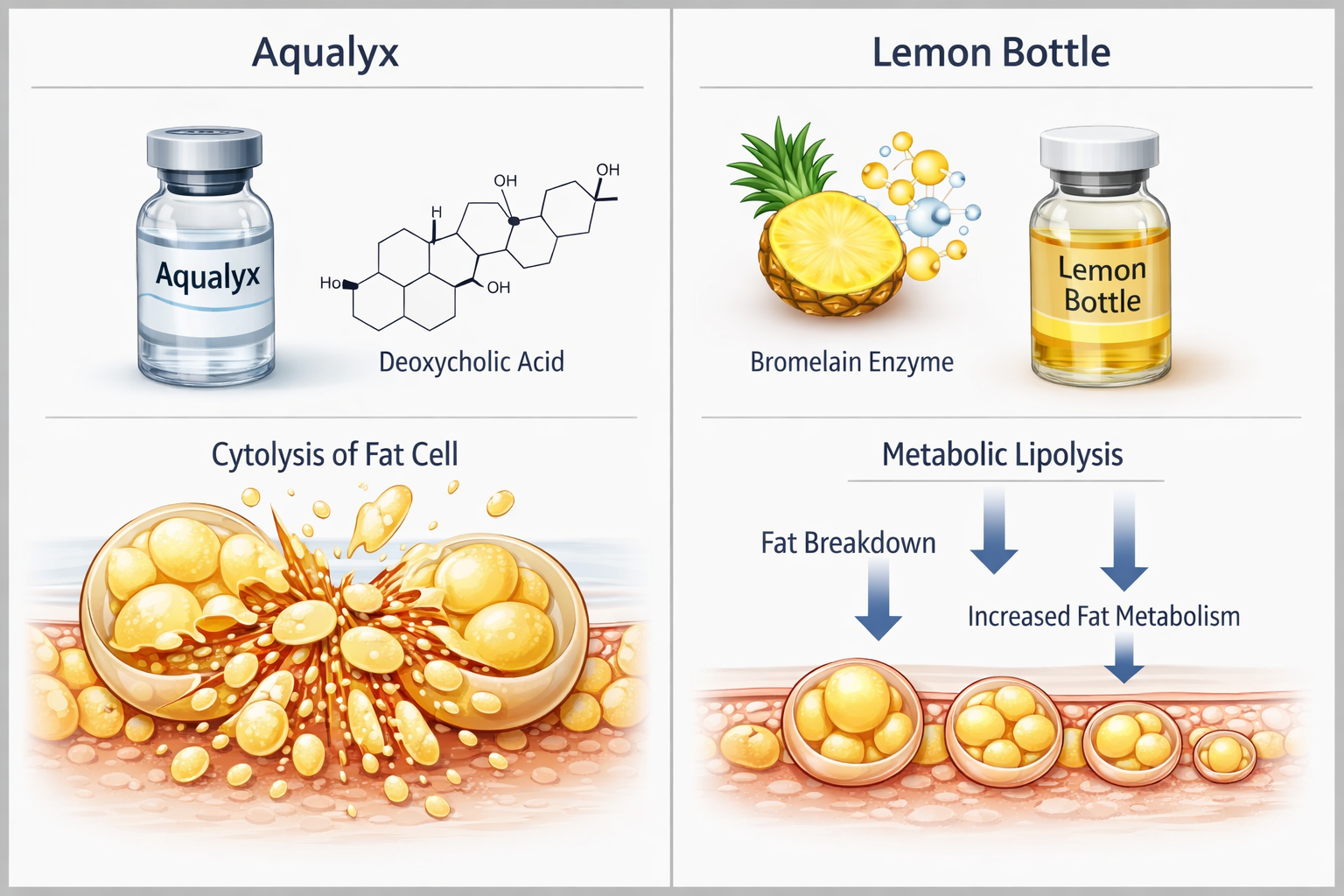
The primary active ingredient in Aqualyx is deoxycholic acid, a bile acid that occurs naturally in the body and plays a role in breaking down dietary fats. When injected into fat tissue, deoxycholic acid disrupts the fat cell membrane, causing the cell to rupture — a process known as cytolysis or cell lysis. The triglycerides stored within the cell are released as glycerol and free fatty acids, which the body then processes and eliminates through lymphatic drainage and normal metabolic channels.
Aqualyx also contains phosphatidylcholine, slow-release plant-based polymers derived from red microalgae sugars, sodium chloride, and buffering agents. The slow-release polymer system is designed to deliver the active ingredient gradually and uniformly within the tissue, which is one of the features that distinguishes it from some other deoxycholic acid-based products. The injection technique for Aqualyx typically targets deeper fat pockets and requires a trained practitioner, as both precise placement and appropriate patient selection are important for safe outcomes.
What Is Lemon Bottle and How Does It Work?
Lemon Bottle is a Korean-developed fat-dissolving injectable that gained significant traction in the Asian aesthetics market before entering Europe and the UK. It has grown rapidly in popularity partly due to its perceived gentleness, its ingredient profile drawn from natural sources, and its lower upfront cost compared to some alternatives. However, its regulatory status in the UK and Europe differs meaningfully from Aqualyx.
Unlike Aqualyx, Lemon Bottle does not rely on deoxycholic acid as its primary active agent. Instead, it uses a combination of bromelain, lecithin, and riboflavin alongside L-carnitine and plant extracts. Bromelain is a proteolytic enzyme derived from pineapple, which is thought to assist in breaking down proteins within the fat cell structure. Lecithin is a lipotropic agent — meaning it supports the metabolism and transport of fats — and is also present in some other fat-dissolving formulations. Riboflavin, also known as Vitamin B2, is involved in cellular energy metabolism and may support the body’s natural fat-processing pathways.
Rather than directly destroying fat cell membranes through cytolysis, Lemon Bottle is understood to work through a more metabolic mechanism — stimulating the breakdown and release of fat while potentially triggering programmed cell death (apoptosis) over time. The injection technique is generally more superficial compared to Aqualyx, which some practitioners find more accessible. Patients often report milder post-treatment inflammation with Lemon Bottle, though individual experiences vary.
Safety, Regulation, and Clinical Evidence
One of the most significant differences between these two treatments lies in their regulatory status and the depth of available clinical evidence. Aqualyx holds CE marking as a medical device, indicating it has undergone evaluation against European safety and performance standards. This certification provides a level of regulatory oversight that is absent from Lemon Bottle, which does not currently hold CE marking. In the UK context, the MHRA (Medicines and Healthcare products Regulatory Agency) oversees the safety of injectable products, and practitioners should work only with products that meet applicable regulatory requirements.
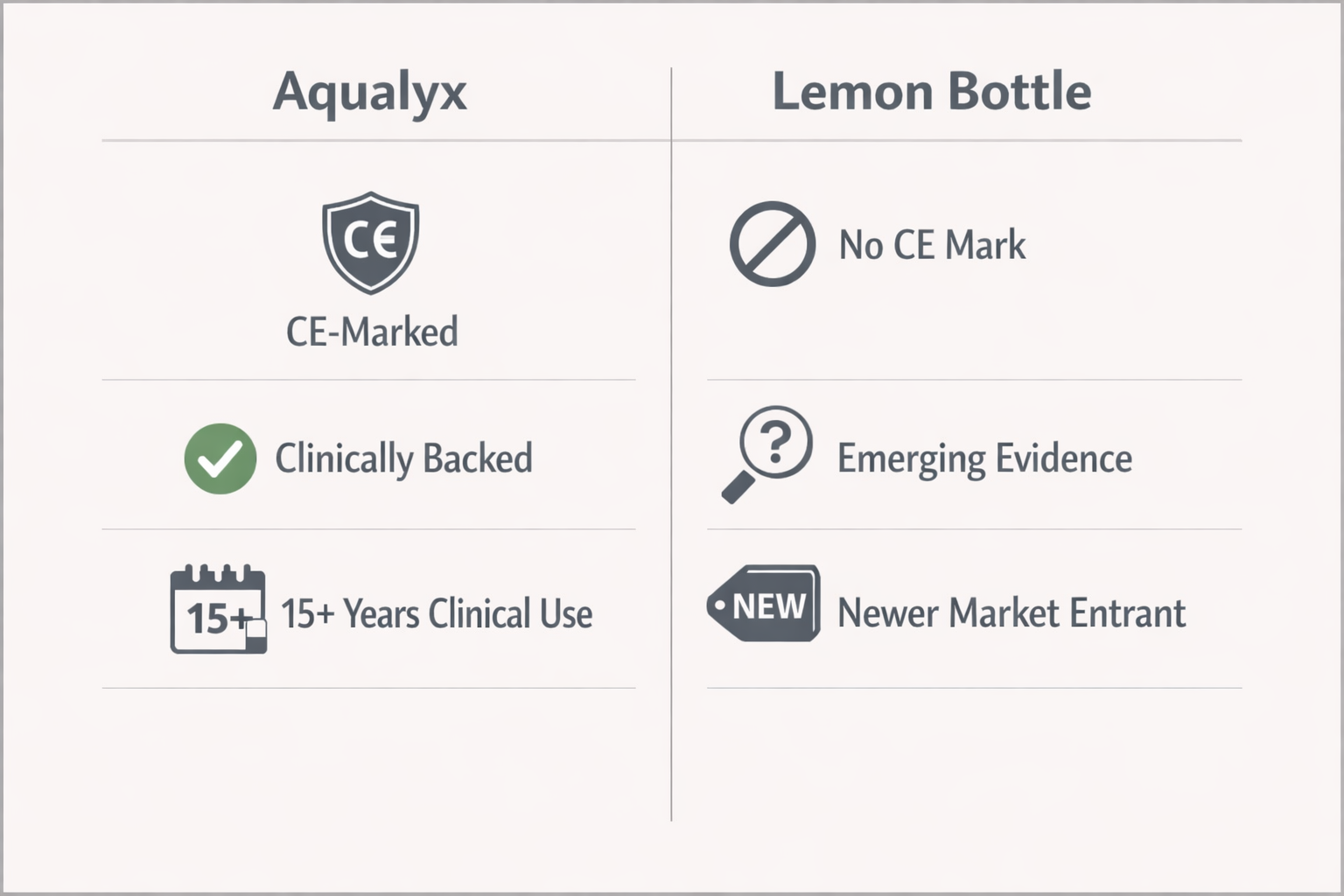
The clinical backing for Aqualyx is considerably more established. It has been the subject of peer-reviewed research and has been used in structured clinical settings for over fifteen years. For comparison, Kybella — the FDA-approved injectable deoxycholic acid treatment available in the United States for submental fat — is based on a similar active ingredient, which reinforces the scientific rationale behind deoxycholic acid-based intralipotherapy. Aqualyx’s clinical history means practitioners have clearer guidance on dosing, treatment intervals, patient selection, and management of side effects.
Lemon Bottle’s evidence base is considerably thinner at present. Much of the information available comes from manufacturer literature and practitioner anecdote rather than independent, peer-reviewed clinical research. This does not necessarily mean the treatment is unsafe or ineffective, but it does mean patients should be aware that the evidence is still developing and that claims about its efficacy and safety profile should be evaluated critically. Anyone considering Lemon Bottle should ensure their practitioner can discuss the available evidence honestly and is working from appropriate training.
Regardless of which product is used, fat-dissolving injections should only be administered by qualified practitioners who understand the relevant anatomy, appropriate injection technique, and management of complications. The superficial injection technique used with Lemon Bottle is generally considered more accessible than the deeper technique required for Aqualyx, but this does not remove the need for proper training and clinical judgement.
Treatment Areas
Both treatments can be used across a range of common body contouring areas where stubborn fat deposits are resistant to diet and exercise. These include the submental area (double chin), abdomen, flanks and love handles, inner and outer thighs, upper arms, and jowls. Aqualyx has also been used for pseudo-gynaecomastia — localized fatty tissue in the male chest area — where a deeper injection approach and a clinically validated product are particularly relevant.
Aqualyx is generally considered more suitable for larger fat deposits and deeper pockets of fat, where its cytolytic mechanism and deeper injection technique may provide more predictable outcomes. Lemon Bottle, with its superficial injection approach and milder inflammatory response, may be better suited to smaller, more superficial areas or to patients seeking subtle contouring rather than significant volume reduction. For patients with more extensive concerns, Aqualyx or even surgical consultation may be a more appropriate starting point.
What Happens During a Treatment Session?
Before either treatment, a qualified practitioner should carry out a thorough consultation that includes reviewing your medical history, assessing the treatment area, discussing your goals, and explaining realistic expectations. This consultation is also the appropriate time to discuss any contraindications that may apply to you.
During an Aqualyx session, the practitioner typically cleans and may numb the treatment area before injecting the solution into the fat tissue using a fine cannula or needle. The number of injection points and the volume used will depend on the area being treated and the practitioner’s assessment. Patients commonly experience a burning or stinging sensation during and shortly after the injections, and post-treatment swelling is expected and considered part of the normal inflammatory response that initiates the fat breakdown process.
A Lemon Bottle session follows a broadly similar process, though the injection technique is more superficial and patients generally report less discomfort and milder swelling. Sessions for both treatments typically last between 30 and 60 minutes depending on the area. Most patients are able to resume normal daily activities shortly after treatment, though strenuous exercise, alcohol, and heat exposure such as saunas are usually advised against for at least 48 hours following either procedure.
Side Effects and Downtime
Both Aqualyx and Lemon Bottle carry a risk of common side effects that are largely related to the local inflammatory process triggered at the injection site. These include swelling, redness, bruising, tenderness, and temporary firmness in the treated area. These reactions are generally expected and typically resolve within a few days to two weeks, though individual recovery varies.
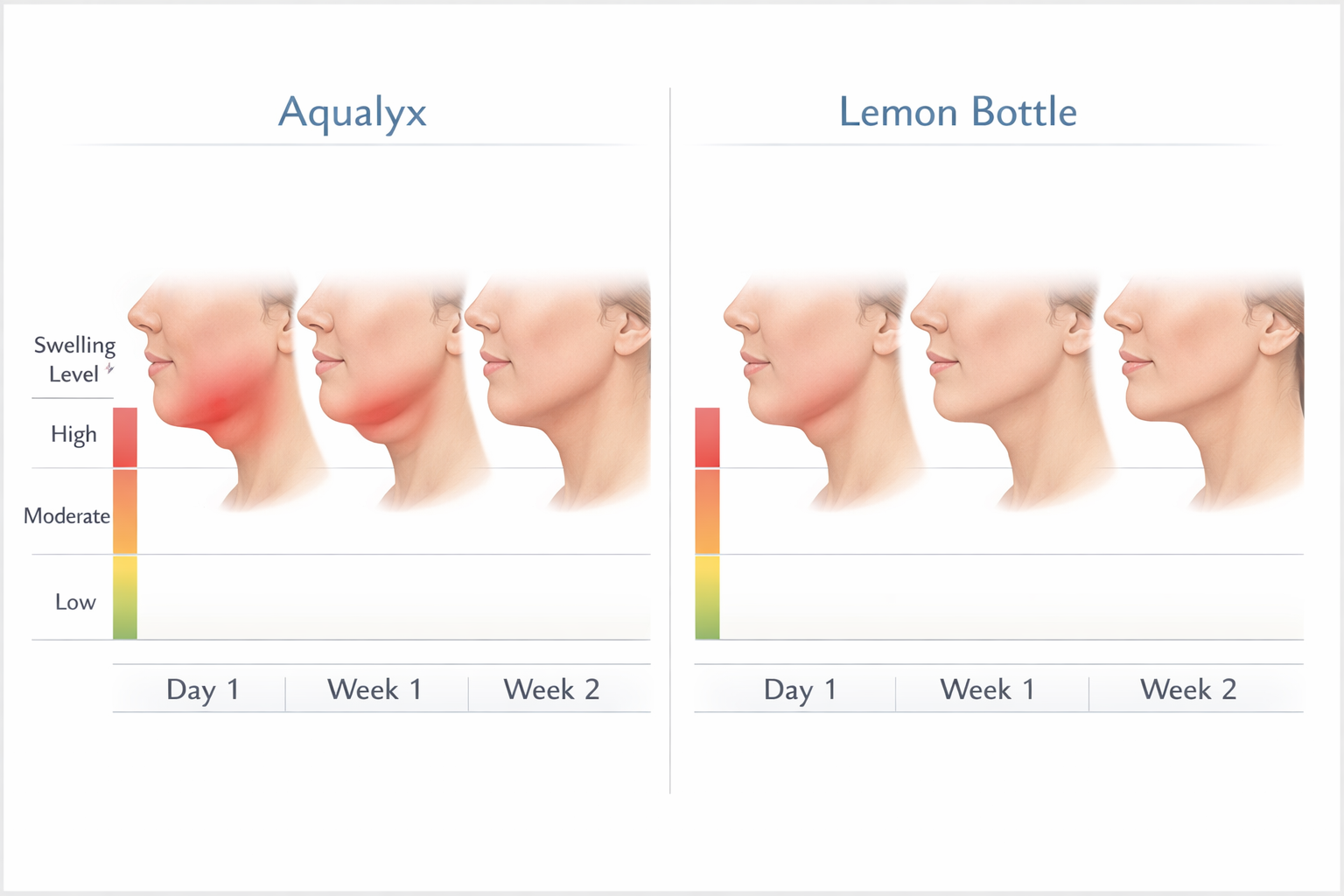
Post-treatment swelling tends to be more pronounced with Aqualyx, which can be a meaningful consideration for patients who need to return to public-facing roles quickly. The inflammatory response with Aqualyx is an integral part of the fat cell destruction process, and some degree of swelling is a sign that the treatment is working as intended. With Lemon Bottle, the milder inflammatory response often means less visible downtime, which may make it more suitable for patients with lower tolerance for swelling or those managing social commitments.
More serious complications are uncommon but possible with any injectable treatment. These can include infection, nodule formation, skin irregularities, or asymmetry, particularly if the product is not injected correctly. Choosing a properly trained practitioner and undergoing a thorough consultation beforehand significantly reduces these risks. Patients should contact their practitioner if they experience unusual pain, prolonged swelling, signs of infection, or any other concerns following treatment.
Results: Timeline and What to Expect
Results from fat-dissolving injections do not appear immediately. Both treatments require the body to clear the breakdown products through the lymphatic system and metabolic pathways, which takes time. With Aqualyx, most patients begin to see visible changes from approximately six to eight weeks after treatment, with final results typically becoming apparent after a full course of sessions.
Lemon Bottle is often associated with a somewhat earlier visible timeline, with some patients reporting changes becoming noticeable from around two to four weeks. However, individual results vary considerably depending on the size of the treatment area, the patient’s metabolism, lifestyle factors, and how many sessions are completed.
The fat cells that are destroyed through injection lipolysis do not regenerate, which is why the treatment is often described as offering long-lasting or permanent fat reduction in the treated area — provided the patient maintains a stable weight. Weight gain after treatment can cause remaining fat cells in the area to enlarge, which may diminish the contouring effect. Realistic expectations and a healthy lifestyle remain important for maintaining outcomes.
Most patients require more than one session regardless of which product is used. Aqualyx protocols typically involve two to four sessions spaced several weeks apart, while Lemon Bottle may require anywhere from one to five sessions depending on the goal and the area. A practitioner should give you a realistic sense of how many sessions may be appropriate for your specific concern during the initial consultation.
Cost Comparison
Cost varies between clinics, geographic locations, and treatment areas, so any figures should be treated as approximate. In the UK, Aqualyx sessions typically range from around £200 to £600 or more per session, with larger areas such as the abdomen costing more than smaller areas like the chin. Lemon Bottle is often positioned at a somewhat lower price point per session, which can make it accessible to a wider range of patients.
When comparing costs, it is important to consider the full treatment protocol rather than the per-session price. A course that requires more sessions at a lower price per session may not work out as economical as it first appears. Equally, choosing a less experienced practitioner or a cheaper clinic to reduce cost carries its own risks, particularly with injectable treatments where technique and clinical judgement are significant factors in safety and outcome.
Who May Be an Ideal Candidate for Each Treatment?
The ideal candidate for either treatment is someone who is at or near their target weight with specific, localized fat deposits that have not responded to sustained changes in diet and exercise. Neither treatment is appropriate for individuals seeking general weight loss or for those who are significantly overweight.
Aqualyx may be more suitable for patients with larger or more resistant stubborn fat pockets, those who have already tried more conservative approaches, patients comfortable with more significant post-treatment swelling and a longer recovery window, and those who prioritize a clinically validated product with an established regulatory history. It may also be particularly relevant for areas such as pseudo-gynaecomastia where a more targeted, deeper approach is warranted.
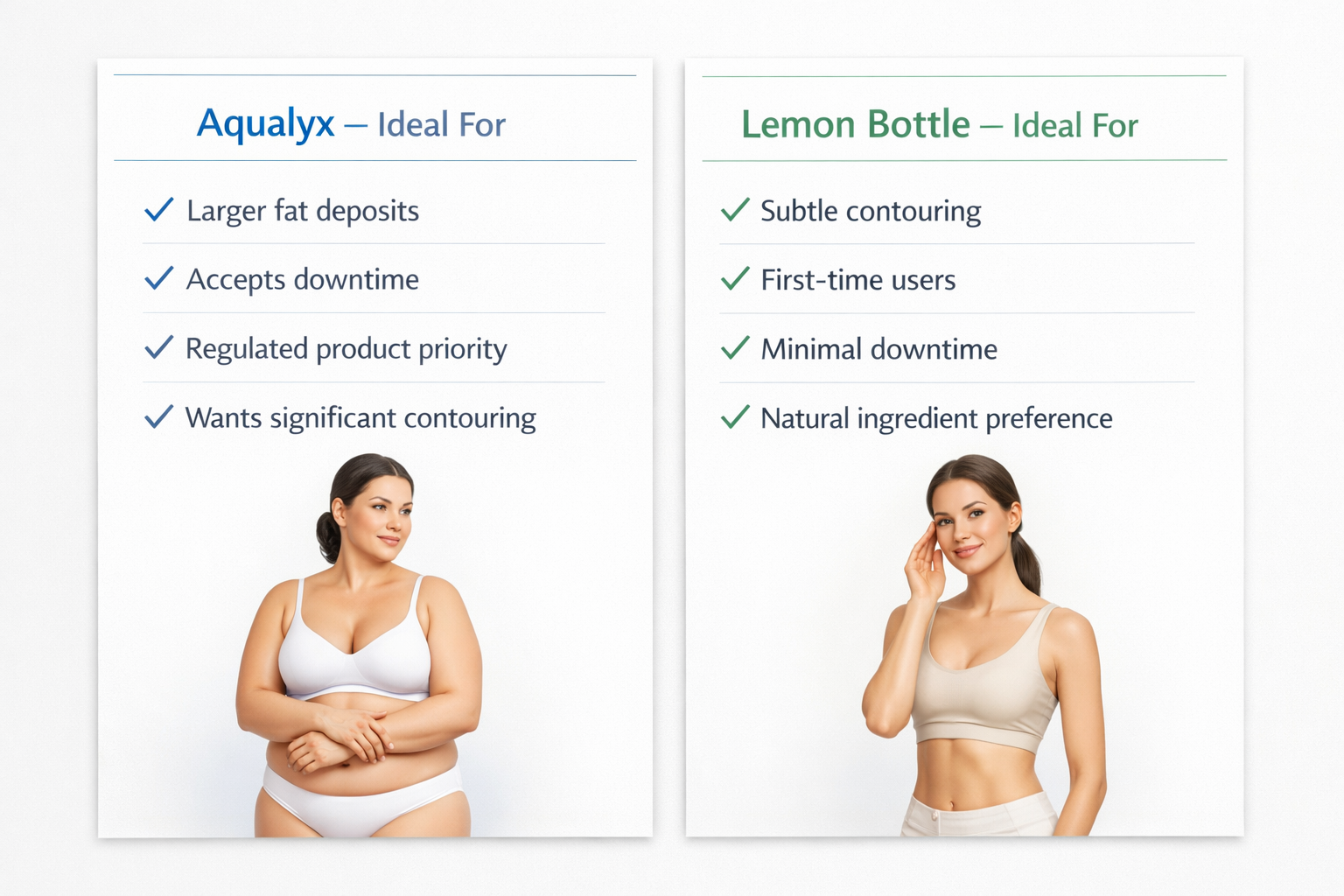
Lemon Bottle may be more suitable for patients seeking subtle contouring rather than significant volume reduction, first-time users of injectable fat-dissolving treatments, those with lower pain tolerance or a preference for minimal downtime, patients who prefer a formulation based on natural enzyme ingredients, and those working within a tighter budget.
Certain patients should not undergo either treatment. General contraindications include pregnancy and breastfeeding, active infection or skin disease in the treatment area, known allergy to any ingredient in the product, severe liver or kidney disease, blood clotting disorders, use of anticoagulant medication, and certain autoimmune conditions. A thorough pre-treatment consultation with a qualified practitioner is essential to determine whether either treatment is appropriate for you.
Aftercare Guidance
Following either treatment, basic aftercare helps support recovery and optimize results. Practitioners typically advise avoiding alcohol, strenuous exercise, and heat exposure such as saunas or hot baths for at least 48 hours. Gentle massage of the treated area may be recommended for Aqualyx to support lymphatic drainage and encourage even distribution of the product, though practitioner guidance on this varies.
Cool pads or ice packs can help manage swelling and discomfort in the first day or two. Staying well hydrated and maintaining a balanced diet supports the body’s ability to process and eliminate the breakdown products of fat cell destruction. Most patients can return to desk-based work and normal light activities the same day or the day after treatment, though individual recovery timelines differ.
Alternatives Worth Knowing About
Aqualyx and Lemon Bottle are not the only options for non-surgical body contouring. Kybella is an FDA-approved injectable deoxycholic acid product available in the United States primarily for submental fat, using a mechanism similar to Aqualyx. CoolSculpting (cryolipolysis) uses controlled cooling to destroy fat cells without needles and may suit patients who prefer a non-injectable approach. High-intensity focused ultrasound (HIFU) and radiofrequency treatments can also target fat and may additionally address skin laxity. For larger or more complex concerns, surgical options such as liposuction may deliver more predictable and significant volume reduction.
Each of these alternatives carries its own mechanism, evidence base, cost, downtime, and suitability profile. A consultation with a practitioner who offers a range of treatments — rather than just one — is often the best way to identify which approach may genuinely match your goals.
Frequently Asked Questions
Can Aqualyx and Lemon Bottle be used together or in sequence?
Some practitioners combine fat-dissolving treatments sequentially — for example, beginning with one product and then using another in a subsequent session — but there is no established clinical protocol supporting the routine combination of both products simultaneously. If you are interested in this approach, discuss it in detail with a practitioner who can explain their rationale, any additional risks, and realistic outcomes based on your individual anatomy.
How long do results last?
Because fat cells that are destroyed through injection lipolysis do not regenerate, results in the treated area can be long-lasting provided weight remains stable. However, significant weight gain after treatment can enlarge remaining fat cells and reduce the contouring effect. Maintaining a healthy lifestyle is important for sustaining results over time.
Is Lemon Bottle safe despite not being CE-marked?
The absence of CE marking for Lemon Bottle means it has not undergone the same regulatory evaluation as CE-marked products. This does not confirm that it is unsafe, but it does mean there is less independent regulatory oversight of its safety and performance standards. Patients should ensure their practitioner can discuss this limitation openly and is using the product within appropriate guidelines.
Will I need time off work after treatment?
Most patients do not require time off work, though some choose to plan treatment around social commitments to allow for visible swelling to settle. Aqualyx typically produces more pronounced swelling than Lemon Bottle, so this is a more relevant consideration for patients choosing that treatment. Individual responses vary.
What happens if I am not satisfied with results after a full course?
If results are not satisfactory after completing a recommended course of sessions, options may include additional sessions, a different treatment modality, or a consultation to reassess whether the original treatment area and volume were appropriate. Managing expectations before treatment begins — and having an honest conversation with your practitioner about realistic outcomes — is the best way to reduce the likelihood of dissatisfaction.
Are fat-dissolving injections painful?
Both treatments involve discomfort. Aqualyx is generally associated with a more noticeable burning or stinging sensation during and after injection, partly due to the cytolytic action of deoxycholic acid and the deeper injection technique. Lemon Bottle is commonly described as more comfortable, with milder sensations. Topical anaesthetic cream can be applied before treatment at many clinics to improve patient tolerance.
Aqualyx or Lemon Bottle: Which May Better Match Your Goals?
Choosing between these two fat-dissolving injectable treatments comes down to individual goals, the nature of the fat deposit being addressed, pain tolerance, regulatory priorities, and realistic expectations. Neither treatment is universally superior — each has a profile that makes it more appropriate for different patients in different circumstances.
Aqualyx is the more clinically established option, with CE marking, a longer track record of use, and a larger body of evidence supporting its use in injection lipolysis for stubborn fat deposits. It may be the more appropriate choice when meaningful volume reduction is the goal, when the target area involves deeper or more resistant fat, or when a patient and their practitioner wish to work with a product that has undergone formal regulatory evaluation. The trade-off is more significant post-treatment swelling and a somewhat longer recovery window.
Lemon Bottle offers a gentler experience for many patients, with milder inflammatory effects, a formulation based on natural enzyme ingredients, and often a lower per-session cost. It may suit patients who are new to injectable fat-dissolving treatments, those with modest contouring goals, or those who prioritize minimal downtime. The important caveat is that its regulatory status and independent clinical evidence are less developed, which is a factor patients should weigh when making an informed decision.
Whichever option you are considering, the most important step is a thorough consultation with a qualified and experienced practitioner who can assess your individual anatomy, discuss both options honestly, and help you understand what is realistic for your specific goals. This is always preferable to selecting a treatment based on cost or convenience alone.
