

Key Takeaways
- CoolSculpting uses cryolipolysis — a controlled cooling process — to permanently eliminate subcutaneous fat cells in the love handle area without surgery.
- Each treatment session may reduce fat in the targeted area by approximately 20–25%, with visible changes appearing gradually over 3–4 months.
- Good candidates have pinchable fat at the flanks and are close to their healthy weight; the treatment is not a weight-loss solution.
- Side effects are generally mild and temporary, though a rare complication called Paradoxical Adipose Hyperplasia (PAH) should be understood before committing to treatment.
- Results are long-lasting provided weight is kept stable, but maintaining a healthy lifestyle after treatment is essential to preserve them.
Why Love Handles Are Difficult to Shift
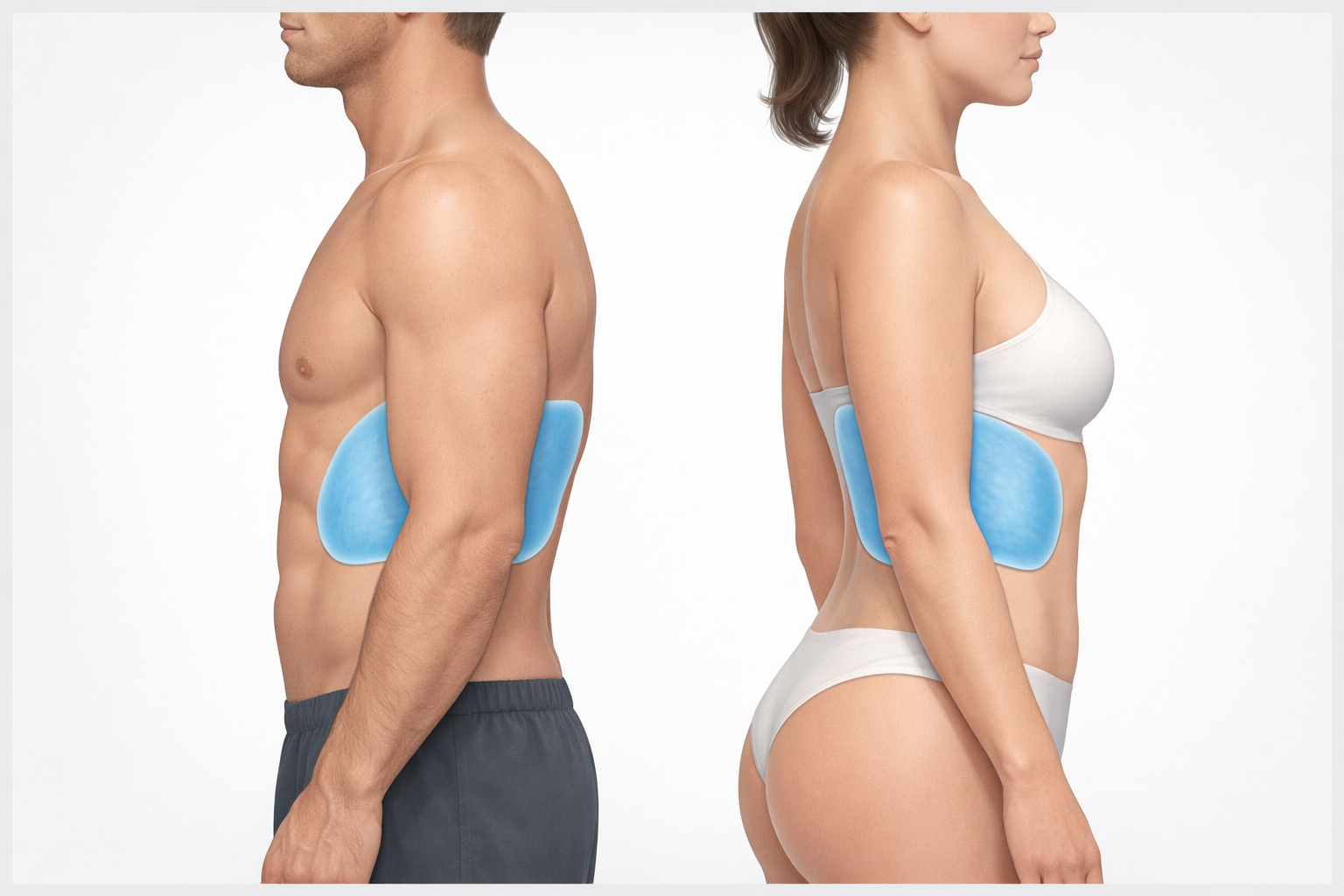
Love handles — the pockets of fat sitting on either side of the waist, above the hips — are among the most common body concerns for both men and women. Clinically referred to as flank fat, this area accumulates subcutaneous fat: fat stored beneath the skin but above the muscle layer. Unlike visceral fat, which surrounds internal organs and poses broader health risks, subcutaneous fat is largely cosmetic but notoriously slow to respond to calorie restriction or exercise.
The reason flanks are so stubborn comes down to biology. Subcutaneous fat in this region has a higher density of alpha-2 adrenergic receptors compared to beta receptors, making fat breakdown in these cells less responsive to the hormonal signals triggered by physical activity and a caloric deficit. Many people find that even after significant weight loss and consistent training, the muffin top or love handle area remains largely unchanged in shape. This is precisely the gap that non-surgical body contouring treatments like CoolSculpting aim to fill.
How CoolSculpting Works on Love Handles
CoolSculpting is an FDA-cleared fat-freezing technology that uses a process called cryolipolysis to selectively destroy fat cells in a targeted area. The underlying principle relies on fat cells being more vulnerable to cold temperatures than surrounding skin, nerves, and muscle tissue. When exposed to precisely controlled cooling, fat cells crystallise and are damaged, while adjacent tissues remain largely unaffected.
During a flank treatment, a specialist applicator is placed against the love handle area. A gel pad protects the skin, and the applicator draws the tissue in using gentle vacuum suction before delivering sustained controlled cooling over a set period. The cold temperature triggers a process called apoptosis — a form of programmed cell death — in the affected fat cells. These dying cells are not immediately removed from the body. Instead, over the following weeks and months, the lymphatic system gradually clears the cellular debris, and the treated area becomes visibly slimmer as fat volume decreases.
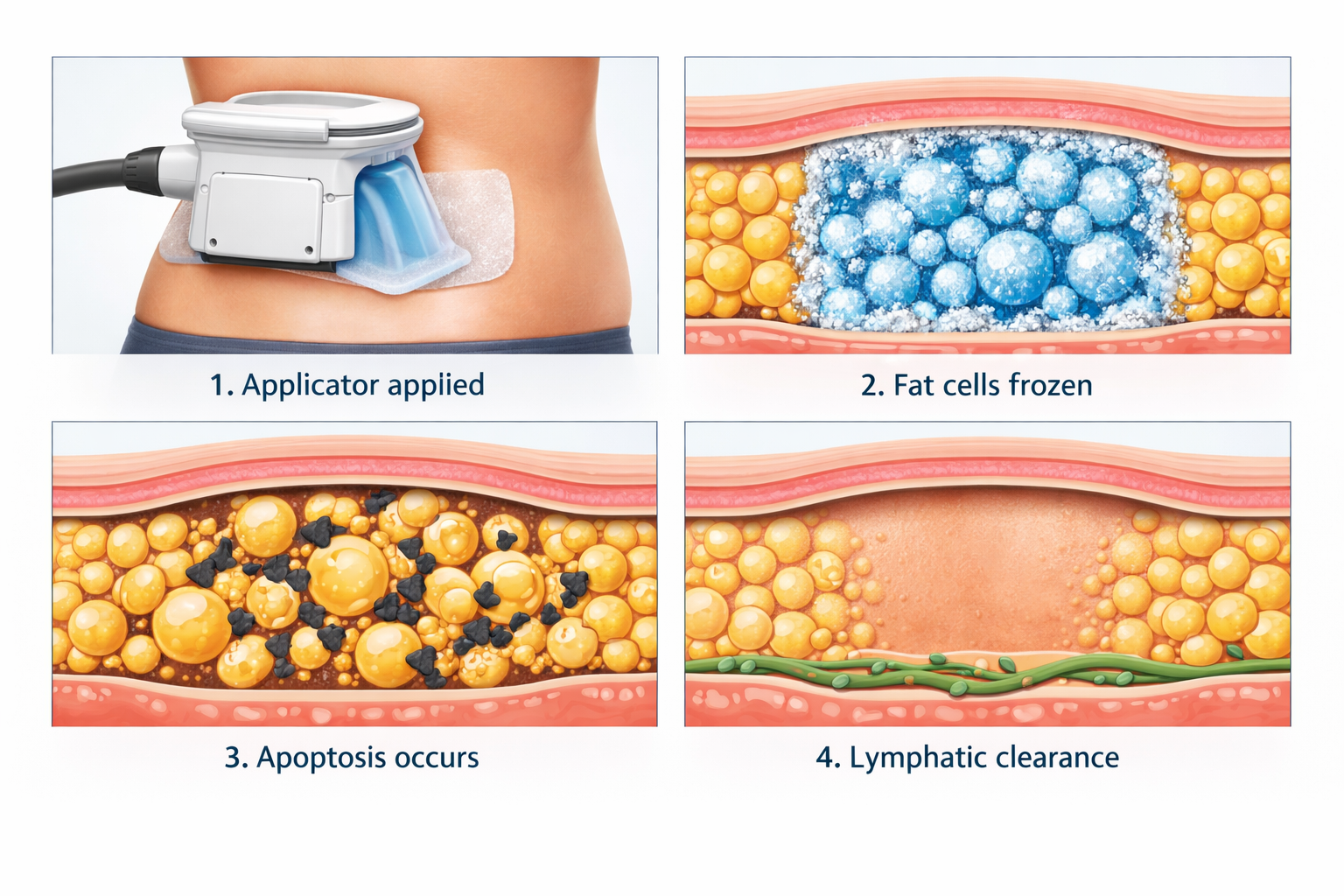
CoolSculpting does not rupture fat cells suddenly; it initiates a slow, natural elimination process. This is why results develop gradually rather than appearing overnight, and it is also why the treatment carries a lower risk of dramatic tissue trauma compared to surgical fat removal.
CoolSculpting Elite and DualSculpting
The CoolSculpting Elite is the upgraded generation of the original device, featuring redesigned applicators that better conform to the body’s natural contours and may improve contact across the treatment area. For love handles specifically, the applicator geometry has been refined to fit the flank region more precisely, which can improve comfort and potentially treatment consistency.
Because love handles appear on both sides of the body, many clinics offer DualSculpting — treating both flanks simultaneously using two machines running in parallel. This halves appointment time and keeps the experience symmetrical, which many patients prefer. DualSculpting is worth asking about during your consultation if efficiency is a priority.
Who May Be a Good Candidate
CoolSculpting is a body contouring treatment, not a weight-loss procedure. Candidacy depends on the type and location of fat rather than overall body weight alone. The treatment works specifically on subcutaneous fat — the kind you can physically pinch between your fingers. If the flank area has a visible, pinchable fat layer that sits between the skin and the underlying muscle, CoolSculpting may be appropriate to consider.
Broadly speaking, suitable candidates are adults who are at or close to a stable healthy weight, maintain a generally balanced lifestyle, and have realistic expectations about the degree of change the treatment can produce. Men who exercise regularly but retain persistent flank fat despite training are a particularly common group seeking this treatment, as are women whose waistline definition has not responded to dietary changes.
Who May Not Be Suitable
CoolSculpting is not appropriate for everyone. Specific medical conditions contraindicate the treatment because of how the body responds to cold. These include cryoglobulinemia, cold agglutinin disease, and paroxysmal cold hemoglobinuria — conditions in which cold exposure can cause serious systemic reactions. Anyone with these diagnoses should not undergo cryolipolysis.
The treatment is also unsuitable for individuals with large amounts of fat to lose, as it is designed for localised refinement rather than significant volume reduction. People with predominantly visceral fat — fat stored deeper around the organs, which cannot be reached by surface applicators — will not benefit from CoolSculpting. Pregnancy, active skin conditions or infections at the treatment site, and certain nerve sensitivities may also affect suitability. A thorough consultation with a qualified practitioner is necessary to determine whether CoolSculpting is appropriate based on individual anatomy, health history, and goals.
What to Expect During a Treatment Session
A CoolSculpting session for love handles typically lasts between 35 and 60 minutes per area, depending on the applicator used and the extent of treatment. The appointment begins with the practitioner assessing the flanks, marking the treatment zone, and applying a protective gel pad to the skin. The applicator is then positioned and activated.
At the start of the cooling cycle, most people feel an intense cold sensation and a pulling pressure from the vacuum mechanism. These sensations usually ease within the first few minutes as the area becomes numb from the cold. Many patients read, watch content on a device, or rest during the session. There is no anaesthesia required, and most people find the experience manageable once the initial cooldown phase passes.
At the end of each cycle, the applicator is removed and the treated tissue — which will feel firm and temporarily raised — is manually massaged for a short period. This massage step helps break down the crystallised fat cells further and has been associated with improved outcomes in clinical observations. The area will return to its normal appearance relatively quickly after the session ends.
Results and Timeline: What to Realistically Expect
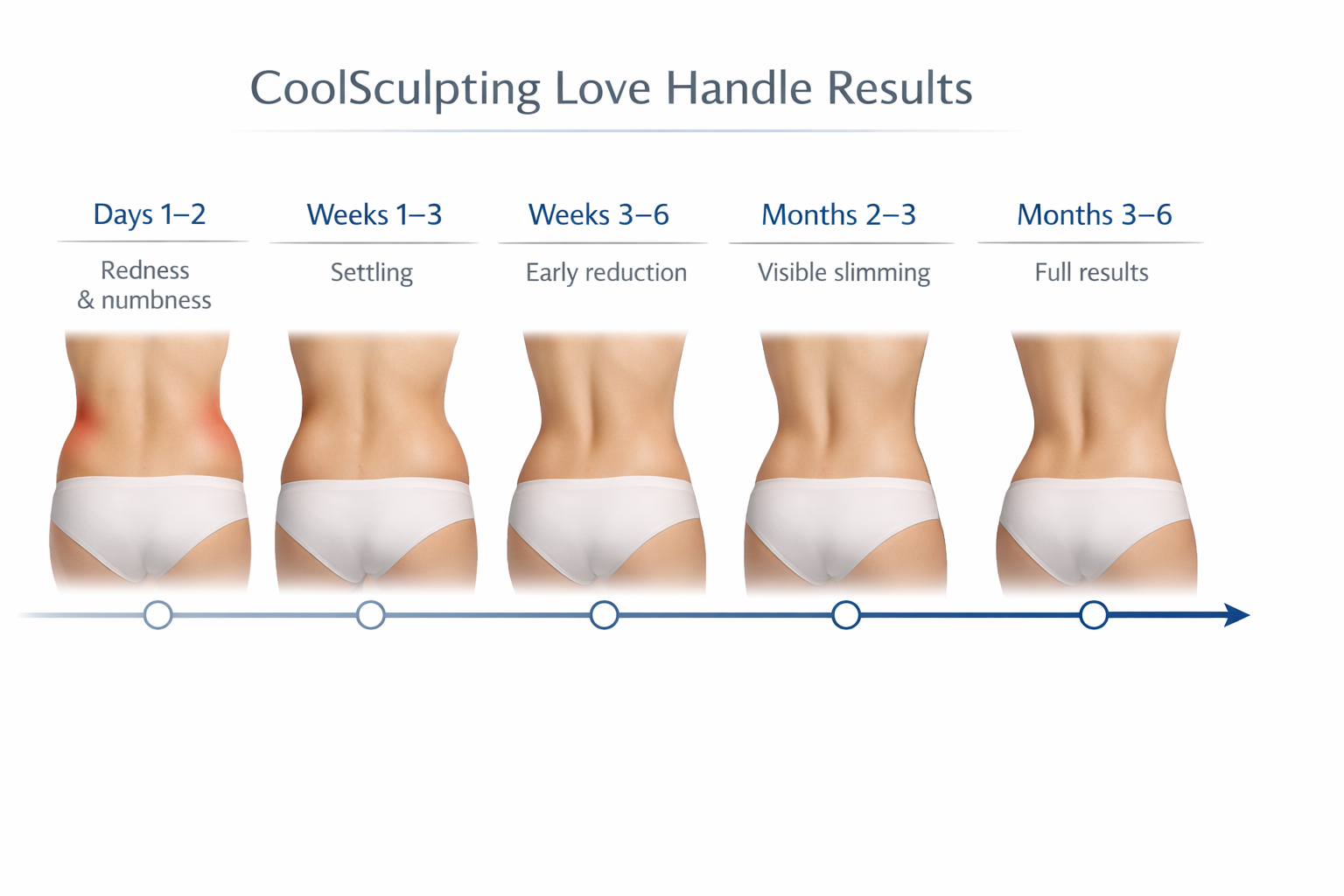
CoolSculpting love handle results do not appear immediately. The process of apoptosis and subsequent lymphatic clearance takes time, and the body’s response unfolds over several months. Understanding this timeline helps set realistic expectations before committing to treatment.
| Timeframe | What Typically Happens |
|---|---|
| Days 1–2 | Redness, swelling, and temporary numbness in the treated area are common and expected. |
| Weeks 1–3 | The treated area settles; some early subtle firmness changes may begin, but visible fat reduction is not yet apparent. |
| Weeks 3–6 | Initial fat reduction may start to become noticeable as the lymphatic system begins clearing treated cells. |
| Months 2–3 | Visible slimming of the flanks becomes clearer; clothing fit around the waist may improve. |
| Months 3–6 | Full results emerge as the body completes its natural clearance process; a contoured waistline becomes more defined. |
Clinical data associated with CoolSculpting suggests that a single treatment cycle may reduce the fat layer in the targeted area by approximately 20–25%. This represents a meaningful reduction in localised fat volume, though the visible effect will vary between individuals depending on the thickness of the original fat layer, skin laxity, and the body’s lymphatic response. For those with thicker flank fat, the percentage reduction may produce a more dramatic visual change than in someone with a thinner starting layer.
It is worth noting that CoolSculpting permanently eliminates treated fat cells — once destroyed through apoptosis and cleared by the lymphatic system, those specific cells do not return. However, this does not prevent the remaining fat cells in the area from expanding if weight is gained after treatment.
How Many Sessions Are Typically Needed
Many patients require more than one treatment session per side to reach their desired outcome. The number of sessions depends on the amount of flank fat present at baseline, the degree of reduction the patient wants to achieve, and how the body responds to the initial treatment. A single session per flank may produce satisfactory results for some individuals, while others benefit from two or more cycles spaced approximately four to six weeks apart to allow the body to complete its clearance process before assessing whether further treatment is warranted.
A personalised treatment plan is developed during the initial consultation, where a practitioner assesses the anatomy of the flanks and discusses realistic goals. Committing to a plan that accounts for individual starting points tends to produce more consistent outcomes than a single session approached without a broader strategy.
Side Effects and Safety Considerations
CoolSculpting has a well-established safety profile for eligible candidates, and its FDA-cleared status reflects a body of evidence supporting its use for subcutaneous fat reduction in specific body areas. The most commonly reported side effects are localised and temporary: redness, swelling, bruising, and numbness in the treated area. These typically resolve within days to a few weeks. Some patients also experience a tingling or stinging sensation as feeling returns to the treated skin, which is a normal response as the nerves recover from cold exposure.
A rare but important side effect is Paradoxical Adipose Hyperplasia, known as PAH. In PAH, the treated fat area grows larger rather than shrinking — the opposite of the intended outcome. The exact mechanism behind PAH is not fully understood, but it is thought to involve an abnormal proliferative response of fat cells to the controlled cooling stimulus. PAH appears to occur more frequently in men than women, though it remains rare overall. If it occurs, it does not resolve on its own and typically requires treatment with liposuction or another intervention. Discussing PAH with your practitioner before proceeding, including the reported incidence at the clinic you are considering, is a reasonable step in the decision-making process.
Patients with the contraindicated cold-sensitivity conditions mentioned earlier must not receive the treatment. People with implanted devices such as pacemakers near the treatment zone, active skin conditions at the site, or known sensitivity to cold should discuss these factors carefully during consultation.
Post-Treatment Care and Maximising Results
After a CoolSculpting session, the treated flanks require no formal downtime. Most people return to their normal daily activities immediately following the appointment, which is one of the practical advantages of non-surgical body contouring compared to surgical alternatives that require a recovery period.
Supporting the body’s lymphatic system in the weeks after treatment may help optimise the clearance of apoptotic fat cells. Staying well hydrated, maintaining regular physical activity, and avoiding prolonged sedentary behaviour all encourage lymphatic circulation. Some clinics offer manual lymphatic drainage massage as a complementary step after treatment, though the evidence for this as a meaningful enhancement is currently limited and primarily anecdotal.
Long-term results depend substantially on lifestyle maintenance. CoolSculpting permanently removes treated fat cells, but the remaining cells in the flank region — and across the body — can still enlarge with weight gain. Patients who maintain a stable weight through balanced nutrition and regular exercise are most likely to enjoy lasting changes to their waistline definition.
CoolSculpting vs. Other Treatments for Love Handles
CoolSculpting is one of several options for reducing flank fat. Understanding how it compares helps in choosing an approach that aligns with individual goals, tolerance for downtime, and budget.
| Treatment | Type | Mechanism | Downtime | Fat Reduction | Best Suited For |
|---|---|---|---|---|---|
| CoolSculpting | Non-surgical | Cryolipolysis (fat freezing) | None | ~20–25% per session | Pinchable subcutaneous flank fat; those avoiding surgery |
| Liposuction | Surgical | Mechanical fat removal | 1–2 weeks+ | More significant single-session volume reduction | Larger fat volumes; patients willing to undergo surgery |
| Laser lipolysis | Minimally invasive | Laser energy disrupts fat cells | Minimal to moderate | Moderate localised reduction | Smaller areas; some skin tightening benefit |
| EMSculpt | Non-surgical | Electromagnetic muscle stimulation | None | Muscle definition rather than fat reduction | Adding muscle tone alongside fat reduction; often combined with CoolSculpting |
| Radiofrequency (e.g., Thermage) | Non-surgical | Thermal energy for skin tightening | None to minimal | Primarily skin tightening rather than fat reduction | Skin laxity concerns alongside or after body contouring |
Liposuction remains the most established surgical option for significant fat removal and can address larger volumes in a single procedure. However, it involves anaesthesia, a recovery period, and the associated risks of surgery. For individuals who want meaningful flank reduction without surgery, anaesthesia, or time away from normal activities, CoolSculpting is a well-researched alternative, provided the fat is predominantly subcutaneous and the volume is appropriate for the technology.
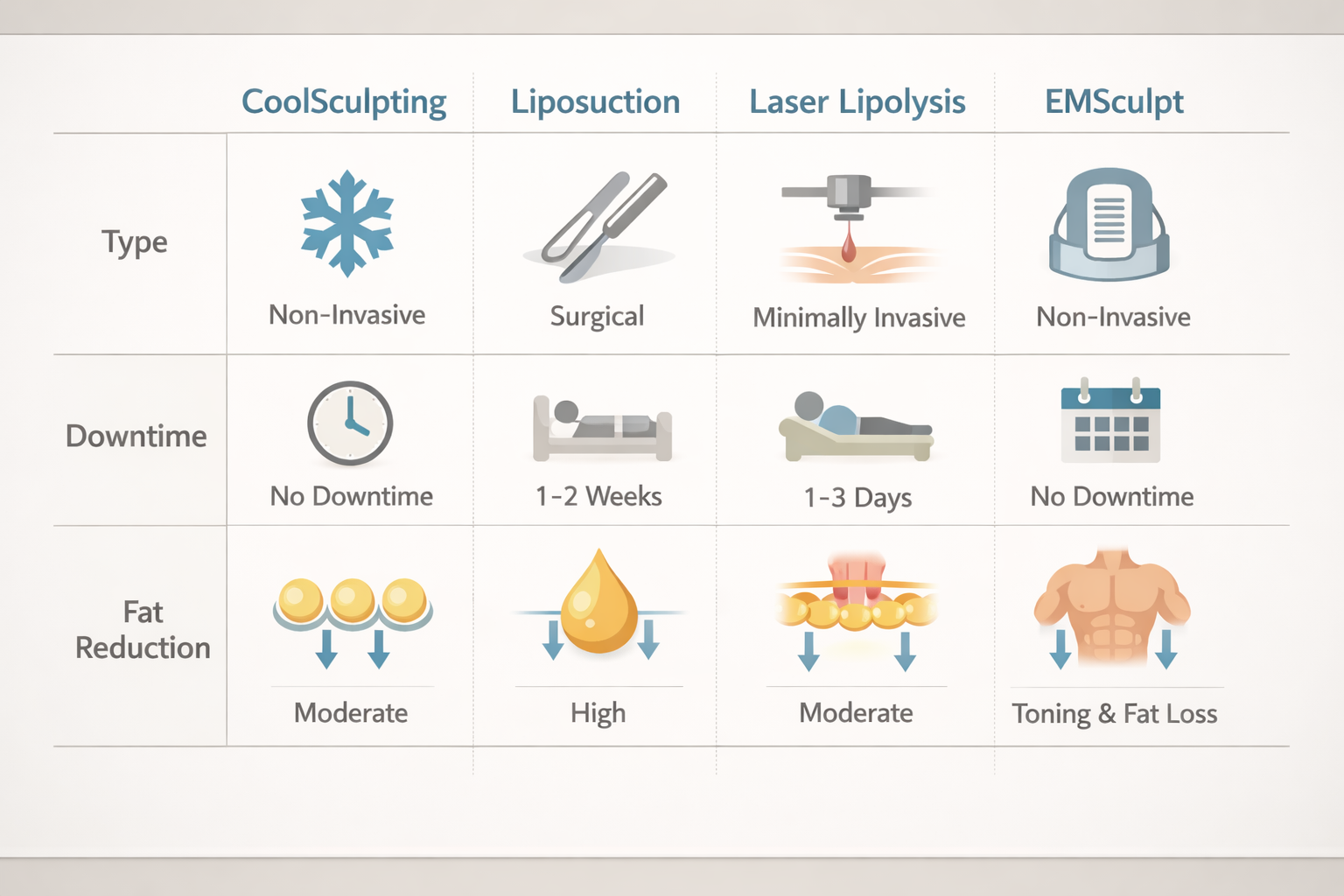
EMSculpt, which uses electromagnetic energy to stimulate intense muscle contractions, is increasingly used alongside CoolSculpting rather than as a direct replacement. The two treatments address different tissue types — CoolSculpting reduces fat while EMSculpt builds and tones underlying muscle. When used in combination as part of a personalised treatment plan, some patients achieve more defined results than either treatment would produce alone.
Cost Factors for CoolSculpting on Love Handles
CoolSculpting pricing varies considerably based on the clinic’s location, the device generation used, the number of applicator cycles required, and whether DualSculpting (treating both flanks simultaneously) is offered as a package. Because love handles typically require treating two sides of the body, the total cost naturally reflects the bilateral nature of the treatment.
Rather than quoting specific figures that vary widely by geography and provider, it is more useful to understand the cost factors at play. A single treatment cycle per flank is typically the minimum starting point. If multiple sessions are recommended — which is common for more pronounced love handles — total costs increase accordingly. Many clinics offer package pricing for multiple sessions or for treating multiple body areas, which can reduce per-session cost. Financing options are also available through some providers for those who prefer to spread the expense.
Prioritising a reputable, experienced provider with properly trained staff and a certified CoolSculpting device is important both for safety and for optimising the likelihood of satisfactory results. The lowest available price is rarely the most reliable guide when choosing a clinic for a medical aesthetic procedure.
Frequently Asked Questions
Does CoolSculpting on love handles hurt?
The treatment involves an intense cold sensation and vacuum pressure at the start of each cycle, which some people find uncomfortable for the first few minutes. Once the area becomes numb — which typically happens within five to ten minutes — most patients report the remainder of the session as tolerable. The post-treatment massage can cause a brief stinging sensation, but this passes quickly.
Are the results from CoolSculpting permanent?
The fat cells destroyed during treatment are permanently eliminated and do not regenerate. In that sense, the results are durable. However, if significant weight is gained after treatment, the remaining fat cells in the flank area can still enlarge, which may reduce the visible benefit. Maintaining a stable weight after CoolSculpting is important to preserving the outcome.
Can both love handles be treated at the same time?
Yes. DualSculpting — using two CoolSculpting machines simultaneously — allows both flanks to be treated in a single appointment. This is a practical option that halves overall treatment time and is widely available at clinics offering the service.
How many sessions will I need for my love handles?
This varies between individuals. Some people achieve their desired result with one session per side, while others benefit from two or more cycles. The appropriate number is best determined during a consultation where the practitioner can assess the volume of flank fat and discuss realistic goals.
What is Paradoxical Adipose Hyperplasia, and how common is it?
Paradoxical Adipose Hyperplasia (PAH) is a rare complication in which the treated fat area enlarges rather than reduces. It does not resolve without medical intervention, typically requiring liposuction. PAH is considered uncommon overall but appears more frequently in men. If it is a concern for you, discuss reported incidence rates and the clinic’s experience with your practitioner before proceeding.
Does CoolSculpting tighten loose skin on the flanks?
CoolSculpting’s primary mechanism is fat reduction, not skin tightening. Some patients notice a modest improvement in skin texture over time, potentially related to mild collagen remodelling in response to the controlled cooling. However, CoolSculpting should not be chosen as a primary treatment for significant skin laxity. If loose skin in the flank area is a concern, a practitioner may discuss complementary skin-tightening technologies such as radiofrequency treatments.
Is CoolSculpting suitable for treating male love handles?
Yes. Men with stubborn, diet-resistant fat at the flanks — including those who exercise regularly but cannot shift this specific area — are among the treatment’s common recipients. The same candidacy criteria apply regardless of gender: subcutaneous, pinchable fat in the target zone and realistic expectations about the degree of achievable change.
Is CoolSculpting a Realistic Option for Your Love Handles?
CoolSculpting represents a well-studied, non-surgical route to reducing stubborn flank fat for appropriately selected patients. The fat-freezing technology has a meaningful evidence base for localised subcutaneous fat reduction, and its no-downtime profile makes it practical for people who cannot or prefer not to take time away from their regular schedule for surgical recovery.
The treatment works best as a refinement tool rather than a transformation solution. If you have pinchable flank fat that has not responded to lifestyle changes, are at or near a healthy stable weight, and have realistic expectations about gradual, moderate improvement rather than dramatic reshaping, CoolSculpting may be a reasonable option to explore. It is less suited to those with large volumes of fat, significant skin laxity, or predominantly visceral fat, and it is not appropriate for individuals with cold-sensitivity conditions.
A thorough consultation with a qualified practitioner is the appropriate first step. A good consultation will include an honest assessment of your anatomy, a discussion of how many sessions are likely needed, transparent information about risks including PAH, and a personalised treatment plan that reflects your actual starting point and goals — rather than a generalised promise of results. Approaching CoolSculpting with accurate information and a clear understanding of what it can and cannot achieve gives you the best foundation for a decision you are comfortable with.
