
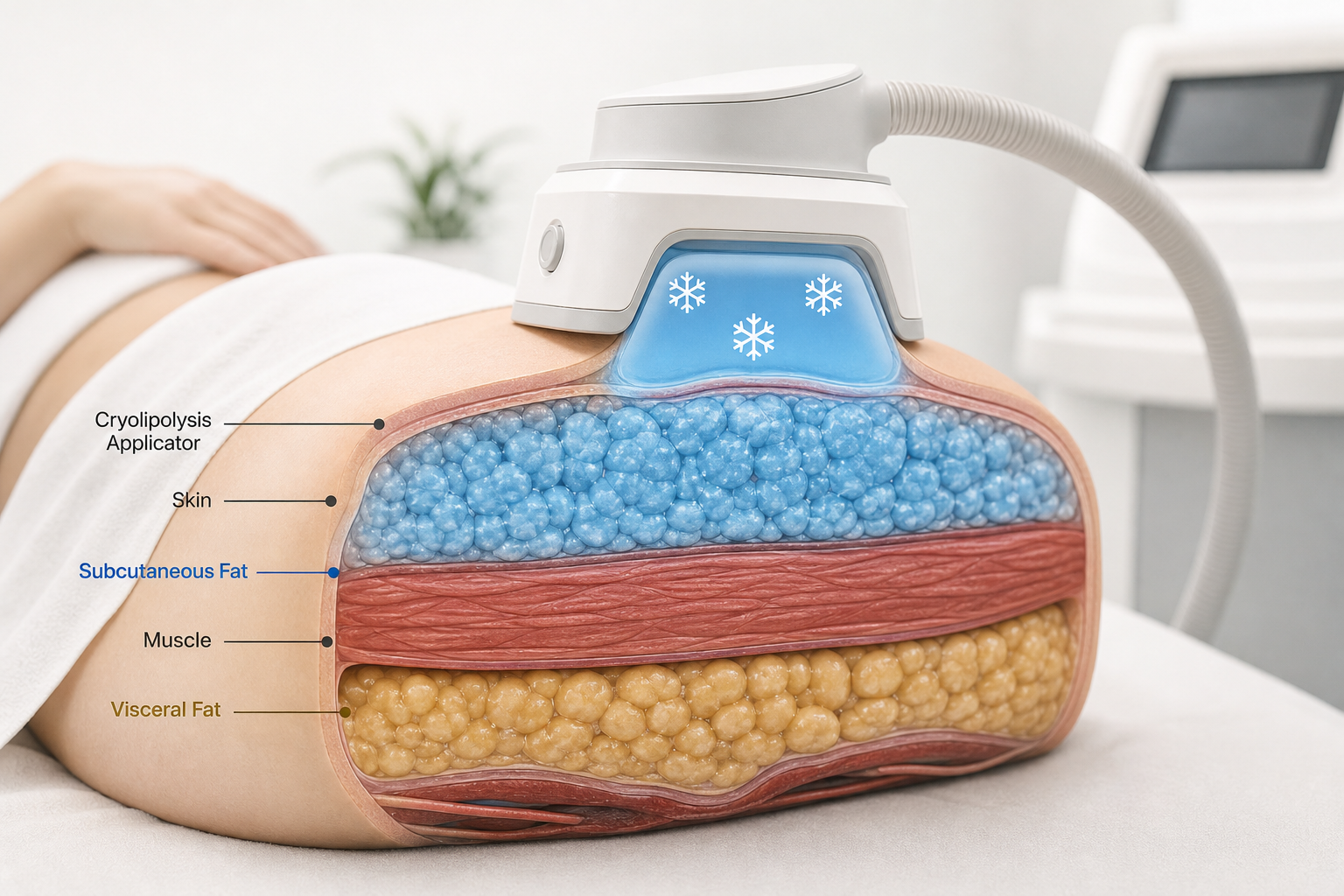

Belly fat freezing — clinically known as cryolipolysis — is a non-invasive body contouring procedure that uses controlled cooling to reduce localized fat deposits in the abdomen. It does not replace healthy lifestyle habits or treat obesity, but for people who are close to their goal weight and carry stubborn abdominal fat that resists diet and exercise, it may offer a meaningful reduction in fat layer thickness without surgery, needles, or recovery time. This article explains the science, realistic results, candidacy criteria, risks, and practical considerations to help you decide whether a consultation is worth pursuing.
Key Takeaways
- Cryolipolysis targets subcutaneous fat — the soft, pinchable layer beneath the skin — not the deeper visceral fat surrounding internal organs.
- Clinical studies report approximately 10–25% fat reduction per treated area per session, with some abdominal studies showing fat layer thickness reductions exceeding 40% after multiple cycles.
- Results develop gradually over three to six months as the body clears destroyed fat cells through the lymphatic system.
- The procedure carries a small but real risk of paradoxical adipose hyperplasia (PAH), a rare complication in which the treated area enlarges rather than reduces.
- Cryolipolysis is a body contouring treatment, not a weight-loss solution — body weight typically remains unchanged after treatment.
What Is Belly Fat Freezing?
Belly fat freezing is the common name for cryolipolysis applied to the abdominal area. The procedure was developed after researchers observed that fat cells are more sensitive to cold temperatures than surrounding skin, muscle, and nerve tissue. By applying precisely controlled cooling to a targeted area, it is possible to trigger the selective destruction of fat cells while leaving adjacent structures unharmed. CoolSculpting is the most widely recognized brand name for cryolipolysis devices and was among the first to receive FDA clearance for non-invasive fat reduction in multiple body areas, including the abdomen.
The treatment is classified as a non-invasive body contouring procedure. No incisions, needles, or anaesthesia are required, and most people return to normal activities immediately after a session. It is important to understand from the outset that cryolipolysis reduces localized fat deposits — it does not produce weight loss, and the number on the scale is unlikely to change significantly after treatment.
The Science: How Cryolipolysis Destroys Fat Cells
The mechanism behind belly fat freezing relies on a biological phenomenon called cold panniculitis — an inflammatory response in fat tissue triggered by exposure to cold. Fat cells, or adipocytes, begin to crystallize and undergo programmed cell death (adipocyte apoptosis) at temperatures that leave surrounding skin and muscle cells unaffected. This selective vulnerability is the scientific foundation of cryolipolysis.
During a session, a specialized applicator is placed against the skin and draws the targeted tissue into a cooling chamber using gentle suction. The device then applies controlled cooling to the subcutaneous adipose tissue for a set period, typically 35 to 60 minutes per area. The cold triggers an inflammatory cascade within the fat cells, initiating apoptosis — a process of orderly, controlled cell death rather than sudden rupture.
Over the following weeks and months, the body’s immune system recognizes the damaged adipocytes and dispatches macrophages to engulf and break down the cellular debris. These remnants are then transported through the lymphatic system and gradually eliminated. This natural clearance process is why results do not appear immediately — the body needs time to process and remove the destroyed fat cells, which is why the full outcome of a single session may not be visible for three to six months.
Importantly, the fat cells that are eliminated through this process do not regenerate. However, remaining fat cells in the treated area can still enlarge if a person gains weight, which is why maintaining a stable body weight after treatment is important for preserving results.
Subcutaneous Fat vs. Visceral Fat: A Critical Distinction
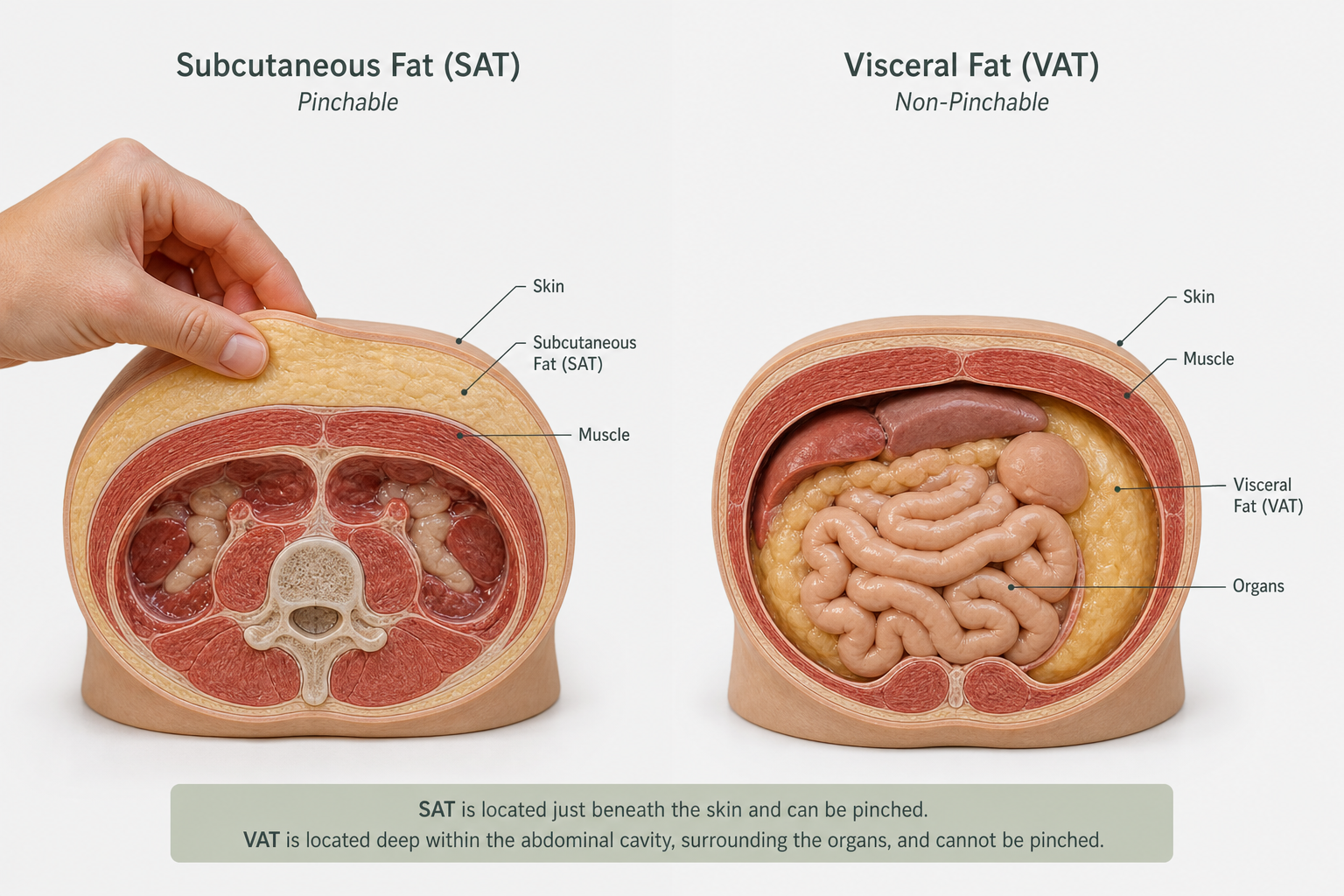
Not all abdominal fat is the same, and understanding the difference between subcutaneous and visceral fat is essential before considering cryolipolysis. Subcutaneous fat sits directly beneath the skin and above the abdominal muscle wall. It is the soft, pinchable layer that forms the belly pouch, love handles, flanks, and muffin top. This is the type of fat that cryolipolysis can reach and reduce.
Visceral fat, by contrast, lies deep within the abdominal cavity, surrounding the internal organs. It is firm, non-pinchable, and inaccessible to surface cooling devices. A person with a predominantly hard, distended abdomen — where the belly protrudes but cannot be easily grasped between the fingers — is likely carrying a significant proportion of visceral adipose tissue (VAT), and cryolipolysis will not address this effectively.
A practical self-assessment is the pinch test: if you can grasp a meaningful fold of soft tissue at the treatment site, you likely have sufficient subcutaneous fat to be a candidate. If the abdomen feels firm and resistant to pinching, the fat distribution may be predominantly visceral, and a clinical assessment would be needed to determine whether cryolipolysis is appropriate. This distinction also matters for health reasons — visceral fat is more strongly associated with metabolic and cardiovascular risk than subcutaneous fat, and its reduction requires lifestyle intervention rather than body contouring.
Abdominal Fat Subtypes and Treatment Expectations
The abdomen is not a single uniform treatment zone. Practitioners typically distinguish between the upper abdomen (above the navel), the lower abdomen or belly pouch (below the navel), and the flanks or love handles at the sides of the waist. Each area may require a separate applicator and treatment cycle, and the amount of pinchable fat in each zone influences how many sessions may be recommended.
Post-pregnancy belly fat and the lower belly pouch are among the most common reasons people seek cryolipolysis. These areas often retain localized subcutaneous fat deposits that persist despite a return to a healthy weight and regular exercise. The upper abdomen tends to respond well when there is a sufficient fold of tissue, while the lower belly pouch — sometimes called the mummy tummy — is frequently treated with a smaller curved applicator designed for that contour.
Treating the full abdominal panel — upper and lower abdomen together — in a single appointment is possible when multiple applicators are used simultaneously, which can reduce the total number of visits required. A practitioner will assess the volume and distribution of pinchable fat at each site to recommend an appropriate treatment plan.
What Happens During a Belly Fat Freezing Session
A cryolipolysis session for the abdomen is an outpatient procedure that requires no preparation beyond wearing comfortable clothing. The practitioner begins by assessing the treatment area and marking the zones to be targeted. A gel pad is applied to the skin to protect it from direct contact with the cooling applicator, and the applicator is then positioned and activated.
During the first few minutes, most people feel a strong pulling sensation from the suction, followed by intense cold and possible tingling or aching. These sensations typically subside within five to ten minutes as the area becomes numb from the cold. Many people read, use their phone, or rest during the remainder of the session. Each treatment cycle lasts approximately 35 to 60 minutes depending on the device and applicator used.
When the applicator is removed, the treated tissue is temporarily firm and may appear red or slightly raised. The practitioner performs a brief manual massage of the area, which research suggests may improve the breakdown of crystallized fat cells and enhance the overall result. There is no incision, no anaesthesia, and no wound care required. Most people leave the clinic and resume normal activities the same day.
How Many Sessions Are Needed for the Stomach?
The number of sessions required depends on the volume of subcutaneous fat present, the number of distinct abdominal zones being treated, and the degree of reduction the patient is hoping to achieve. Many people see a meaningful improvement after a single session per area, but two or three cycles per zone may be recommended for more significant fat deposits or for patients seeking a more pronounced outcome.
Sessions targeting the same area are typically spaced four to twelve weeks apart to allow the body time to clear the destroyed fat cells before the next treatment. Treating multiple areas — for example, the upper abdomen, lower abdomen, and flanks — may require separate applicator placements within the same appointment or across multiple visits.
A 2023 study published in Aesthetic Plastic Surgery reported a 43.81% reduction in fat layer thickness at three months following cryolipolysis treatment of abdominal deposits, while a separate clinical trial found that two sequential sessions produced approximately 28.5% fat reduction in the treated area. These figures reflect averages across study populations and individual results will vary based on anatomy, baseline fat volume, and the number of treatment cycles completed.
Results: What to Realistically Expect and When
Cryolipolysis results develop gradually because the body’s clearance of destroyed fat cells is a biological process that takes time. The following timeline reflects what is generally observed, though individual variation is significant.
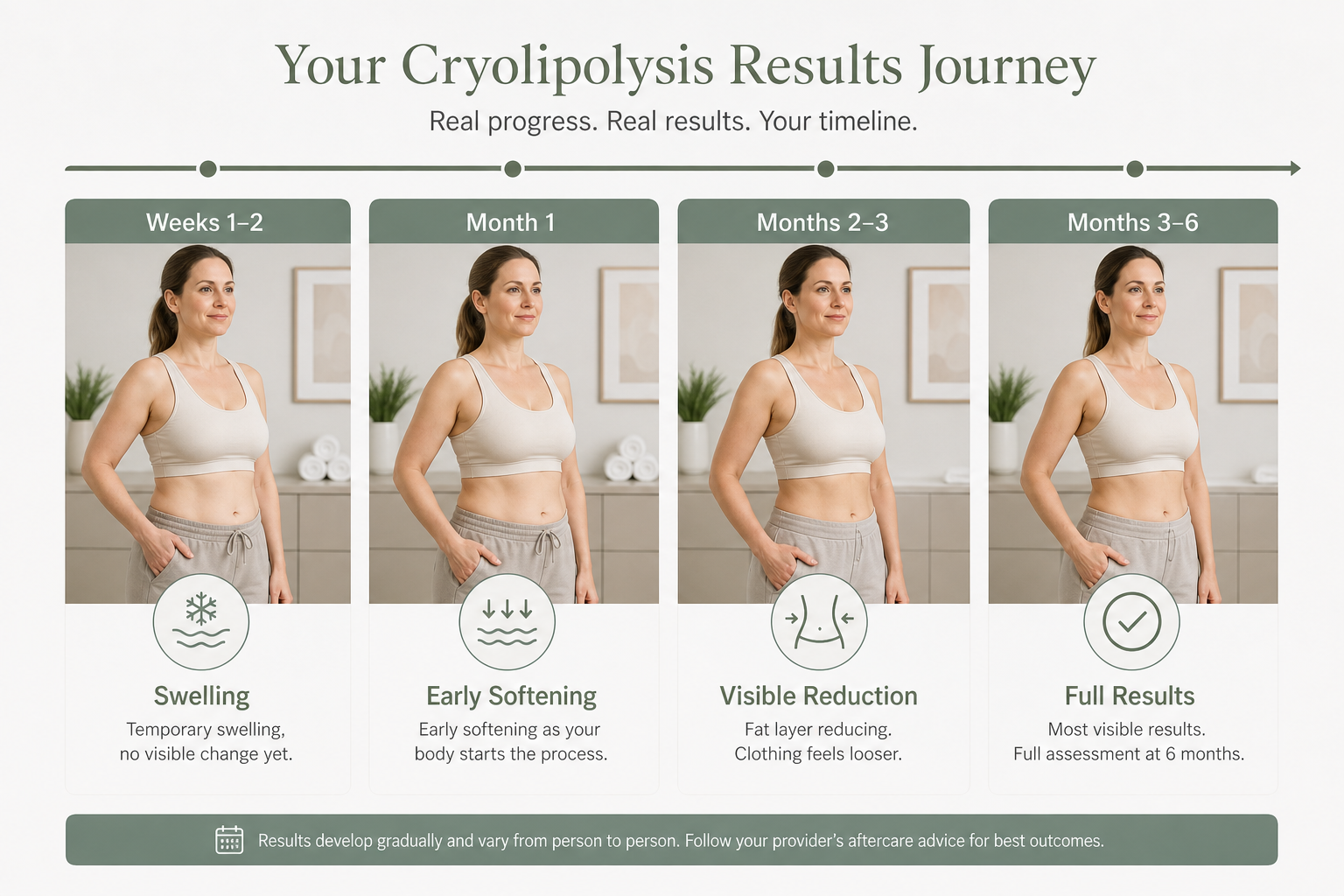
- Weeks 1–2: The treated area may appear slightly swollen or feel tender. No visible fat reduction is expected at this stage.
- Month 1: Some early softening of the treated tissue may be noticeable. Visible changes are minimal for most people.
- Months 2–3: Fat layer thickness begins to reduce more noticeably. Clothing may feel slightly looser around the waist. Abdominal circumference measurements may begin to show a reduction.
- Months 3–6: The most visible phase of results. The lymphatic system has cleared a significant proportion of the destroyed adipocytes, and the reduction in the treated area is typically at its most apparent. Full results are usually assessed at the six-month mark.
Clinical measurements using ultrasound to assess fat layer thickness and tape measurements of waist circumference are the most objective ways to quantify results. Body weight is not a reliable indicator of cryolipolysis outcomes because the volume of fat removed does not translate to a meaningful change on the scale — the treatment is a body contouring intervention, not a weight-loss tool.
Who May Be a Suitable Candidate
Cryolipolysis for abdominal fat is generally most appropriate for people who meet the following criteria:
- Are at or near their goal body weight, typically with a body mass index (BMI) below 30
- Have identifiable, pinchable subcutaneous fat in the target area that has not responded to diet and exercise
- Have realistic expectations — seeking a modest, gradual reduction in a specific area rather than dramatic overall fat loss
- Are in good general health with no relevant contraindications
- Have adequate skin elasticity in the treatment area
Cryolipolysis is not a treatment for obesity and is not intended to replace weight management through diet and physical activity. People who are significantly overweight are unlikely to achieve satisfying results and may be better served by medical weight management programmes before considering body contouring.
Who May Not Be Suitable: Contraindications
Certain medical conditions make cryolipolysis inadvisable. A thorough consultation with a qualified practitioner is essential before proceeding. Contraindications include:
- Cold-related conditions: Cold urticaria (cold-induced hives), cryoglobulinemia, Raynaud’s disease, or cold hypersensitivity — these conditions can be significantly worsened by the controlled cooling used in the procedure.
- Autoimmune conditions that affect wound healing or inflammatory response
- Pregnancy or breastfeeding
- Significant skin laxity in the treatment area — reducing the fat layer beneath loose skin without addressing the skin itself can worsen the appearance of sagging. This is a particularly important consideration for post-pregnancy patients or those who have experienced significant weight loss.
- Predominantly visceral fat distribution — if the abdominal fat is non-pinchable and firm, the applicator cannot effectively reach the target tissue.
- Implanted devices such as pacemakers or defibrillators near the treatment area
- Active skin conditions, open wounds, or infection at the treatment site
Side Effects and Risks
Cryolipolysis has a well-documented safety profile for most candidates, but it is not without side effects or risks. Common temporary effects in the days following treatment include redness, swelling, bruising, tenderness, and reduced sensation or numbness in the treated area. These typically resolve within a few days to a few weeks and do not require medical intervention.
The most significant rare complication is paradoxical adipose hyperplasia (PAH). This is a condition in which the treated area paradoxically increases in volume rather than decreasing, producing a firm, enlarged mass of fat tissue in the shape of the applicator. PAH typically becomes apparent two to four months after treatment — around the time when most patients expect to see their results improving — which can make it particularly distressing.
A 2025 systematic review and meta-analysis estimated the incidence of PAH at approximately 0.22% per treatment cycle. While this is a low rate in absolute terms, it is not negligible, and patients should be informed of this risk before consenting to treatment. PAH does not resolve on its own and typically requires liposuction to correct. The exact cause is not fully understood, but male sex and the use of certain applicator types have been identified as potential risk factors in some analyses.
If you notice an unexpected increase in firmness or volume in a treated area at the two-to-four-month mark, you should return to your practitioner promptly for assessment rather than waiting to see whether the change resolves.
Skin Laxity: An Important Caveat
Cryolipolysis reduces fat but does not tighten skin. For patients with good skin elasticity, the skin typically contracts naturally as the underlying fat layer reduces, producing a smoother contour. However, for patients who already have loose or crepey skin in the abdominal area — whether from age, significant weight fluctuation, or pregnancy — removing fat without addressing skin laxity can make the looseness more visible rather than less.
This is one of the most underappreciated limitations of the procedure. A thorough pre-treatment assessment should include an honest evaluation of skin quality. Patients with significant skin laxity may benefit more from treatments that combine fat reduction with skin tightening, or from a surgical approach such as abdominoplasty, depending on the degree of concern. A qualified practitioner should discuss this openly during consultation.
Combining Cryolipolysis with Lifestyle Changes
The fat cells eliminated by cryolipolysis are permanently removed, but the remaining fat cells in the treated area can still expand if caloric intake consistently exceeds expenditure. Maintaining results therefore depends on sustaining a stable body weight through a balanced diet and regular physical activity after treatment.
Some research also suggests that combining cryolipolysis with dietary management may offer additional metabolic benefits. A study examining fat mass and cholesterol outcomes found that patients who followed a structured dietary programme alongside cryolipolysis achieved greater reductions in abdominal fat and showed improvements in lipid profiles compared to those who underwent the procedure alone. While this evidence is still developing, it supports the principle that cryolipolysis works best as part of a broader approach to body composition rather than as a standalone solution.
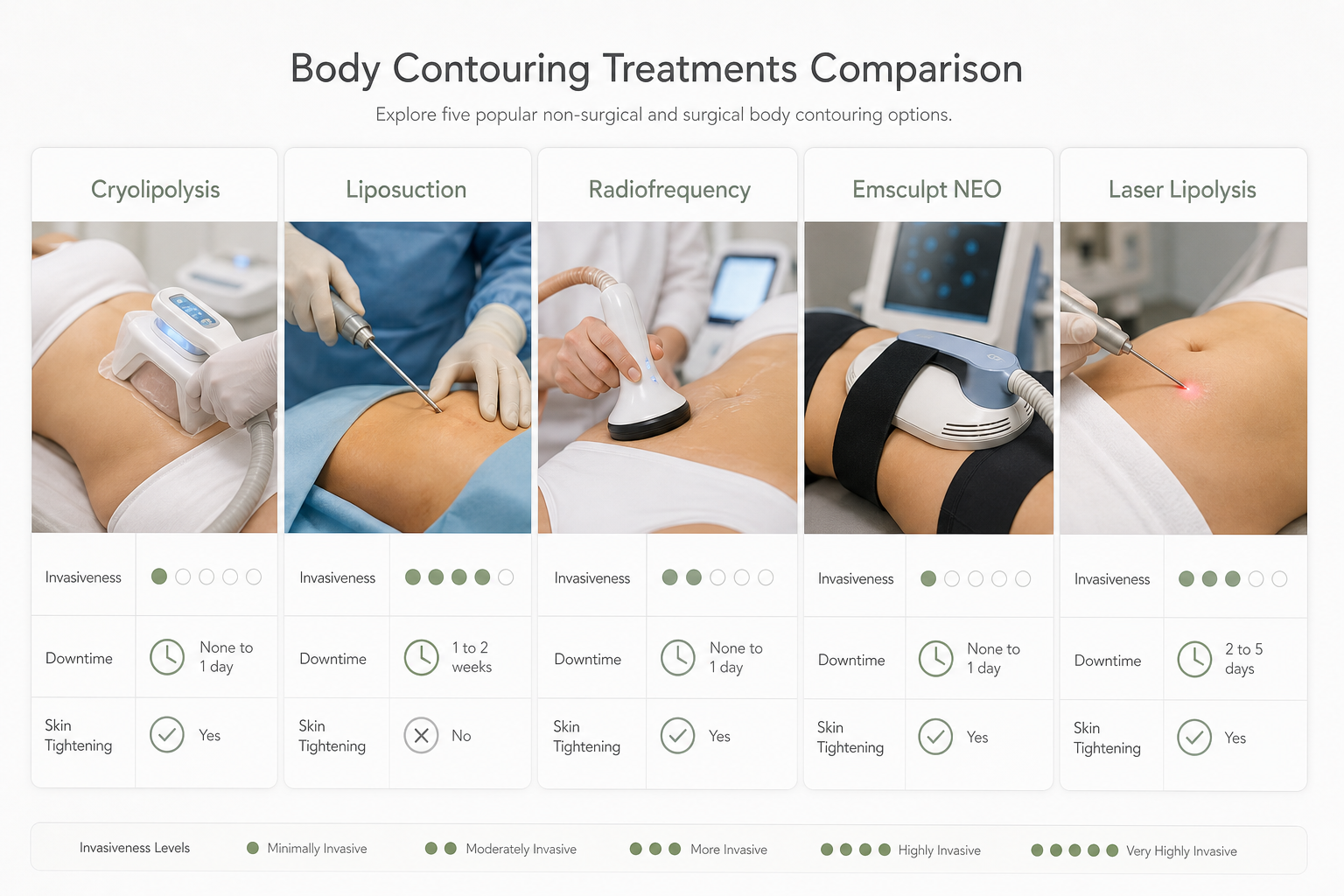
How Cryolipolysis Compares to Other Body Contouring Options
| Treatment | Mechanism | Invasiveness | Fat Reduction | Skin Tightening | Downtime | Sessions Typically Needed |
|---|---|---|---|---|---|---|
| Cryolipolysis (e.g. CoolSculpting) | Controlled cooling / adipocyte apoptosis | Non-invasive | Moderate (10–25%+ per session) | None | Minimal to none | 1–3 per area |
| Liposuction | Surgical removal of fat | Surgical | High (large volume) | Limited (some techniques) | 1–4 weeks | Usually 1 |
| Radiofrequency (RF) body contouring | Heat-based fat disruption + collagen stimulation | Non-invasive | Mild to moderate | Yes | Minimal | Multiple |
| Emsculpt NEO | RF + high-intensity electromagnetic muscle stimulation | Non-invasive | Moderate (~30% fat reduction reported) | Some | None | 4+ sessions |
| Laser lipolysis (e.g. SculpSure) | Laser heat disrupts fat cells | Non-invasive | Moderate | Minimal | Minimal | 1–2 per area |
Liposuction remains the most effective single intervention for large-volume fat removal and produces immediate, visible results, but it carries surgical risks, requires anaesthesia, and involves a recovery period of one to four weeks. Cryolipolysis is better suited to patients with modest, localized fat deposits who prefer to avoid surgery and downtime. Radiofrequency-based treatments and Emsculpt NEO may be preferable for patients who also want skin tightening or muscle definition alongside fat reduction. The right choice depends on the volume of fat to be addressed, skin quality, personal tolerance for downtime, and individual goals — a qualified practitioner can help determine which approach is most appropriate.
Cost of Belly Fat Freezing
The cost of cryolipolysis for the abdomen varies considerably depending on the number of areas treated, the number of cycles per area, the size of applicator required, and the clinic’s location and pricing structure. In the United Kingdom and United States, a single treatment cycle for one area typically ranges from several hundred to over a thousand pounds or dollars, and a full abdominal treatment plan addressing multiple zones across multiple sessions can cost between £2,000 and £4,000 or the equivalent in other currencies.
Cryolipolysis is a cosmetic procedure and is not covered by health insurance or the NHS. Clinics may offer package pricing for multiple areas or sessions, which can reduce the per-cycle cost. It is worth requesting a detailed breakdown of what is included in any quoted price — specifically how many applicator placements and cycles are covered — before committing to a treatment plan.
Frequently Asked Questions
Is belly fat freezing permanent?
The fat cells destroyed by cryolipolysis do not regenerate, so the reduction in cell number in the treated area is considered permanent. However, remaining fat cells can still enlarge with weight gain, which can diminish the visible result over time. Maintaining a stable body weight is important for preserving the outcome.
Does cryolipolysis hurt?
Most people experience intense cold, pulling, and possible aching during the first few minutes of a session. These sensations typically subside as the area becomes numb. Post-treatment tenderness, sensitivity, and temporary numbness in the treated area are common and usually resolve within days to a few weeks.
Can cryolipolysis treat visceral belly fat?
No. Cryolipolysis only reaches subcutaneous fat — the soft layer directly beneath the skin. Visceral fat, which surrounds the internal organs deep within the abdominal cavity, cannot be targeted by surface cooling devices. If your abdomen feels predominantly firm and non-pinchable, a clinical assessment is needed to determine whether you are a suitable candidate.
How many sessions will I need for my stomach?
This depends on the volume and distribution of subcutaneous fat in the abdominal area. Some people achieve a satisfying result after one session per zone, while others may benefit from two or three cycles. Upper and lower abdomen are often treated as separate zones, and the flanks may require additional applicator placements. A practitioner will assess your anatomy and recommend a plan at consultation.
What is paradoxical adipose hyperplasia and how common is it?
Paradoxical adipose hyperplasia (PAH) is a rare complication in which the treated area enlarges rather than reduces, producing a firm mass of fat tissue. It typically becomes visible two to four months after treatment. Meta-analysis data estimates its incidence at approximately 0.22% per treatment cycle. PAH does not resolve spontaneously and usually requires liposuction to correct. Any unexpected increase in volume in a treated area should be assessed by a practitioner promptly.
Will I lose weight after cryolipolysis?
Body weight is unlikely to change meaningfully after cryolipolysis. The procedure reduces the number of fat cells in a localized area, but the total volume of fat removed is not sufficient to register as significant weight loss on a scale. Cryolipolysis is a body contouring treatment designed to improve shape and reduce localized fat deposits, not a weight-loss intervention.
Can I combine belly fat freezing with other treatments?
Yes, cryolipolysis is sometimes combined with other non-invasive treatments. For example, radiofrequency skin tightening may be used alongside or after cryolipolysis to address skin laxity that becomes more apparent as the fat layer reduces. Emsculpt NEO may be considered for patients who also want to improve muscle tone in the abdominal area. A practitioner can advise on appropriate combinations based on your specific concerns and anatomy.
Is Belly Fat Freezing the Right Approach for You?
Cryolipolysis is a well-studied, FDA-cleared non-invasive option for reducing stubborn abdominal fat in suitable candidates. The evidence supports meaningful reductions in fat layer thickness and abdominal circumference over a three-to-six-month period, particularly for people who carry pinchable subcutaneous fat that has not responded to lifestyle measures. It is not a solution for visceral fat, significant skin laxity, or large-volume fat removal, and it should not be approached as a substitute for weight management.
The procedure suits people who are close to their goal weight, have realistic expectations about the degree of change achievable, and prefer to avoid surgical downtime. The rare but real risk of paradoxical adipose hyperplasia means that choosing an experienced, qualified practitioner and attending a thorough pre-treatment consultation is important — not just for safety, but for ensuring the treatment is genuinely appropriate for your anatomy and goals.
If you are considering belly fat freezing, a consultation with a qualified aesthetic practitioner or dermatologist who can assess your fat distribution, skin quality, and medical history is the most useful next step. They can confirm whether cryolipolysis is likely to deliver the outcome you are looking for, or whether an alternative approach may serve you better.
