

Glutathione has become one of the most discussed ingredients in aesthetic skincare, appearing in serums, oral supplements, and intravenous drips marketed for brighter, more even-toned skin. Understanding what glutathione can realistically do for your skin — and where the evidence is still developing — helps you make a more informed decision before spending money or accepting any clinical risk.
Key Takeaways
- Glutathione is an endogenous antioxidant naturally produced in the body; it works primarily by neutralising free radicals and modulating melanin production through tyrosinase inhibition.
- Evidence for topical and oral glutathione is promising but still limited; IV glutathione carries the most significant safety risks and has attracted regulatory warnings.
- Glutathione is a skin brightening agent, not a bleaching agent — it modulates pigment rather than stripping it, and results typically fade after discontinuation.
- Delivery method significantly affects bioavailability; liposomal and encapsulated forms may offer better absorption than standard oral or topical preparations.
- A qualified practitioner should assess your skin concerns, Fitzpatrick skin type, and medical history before you begin any glutathione regimen.
What Is Glutathione?
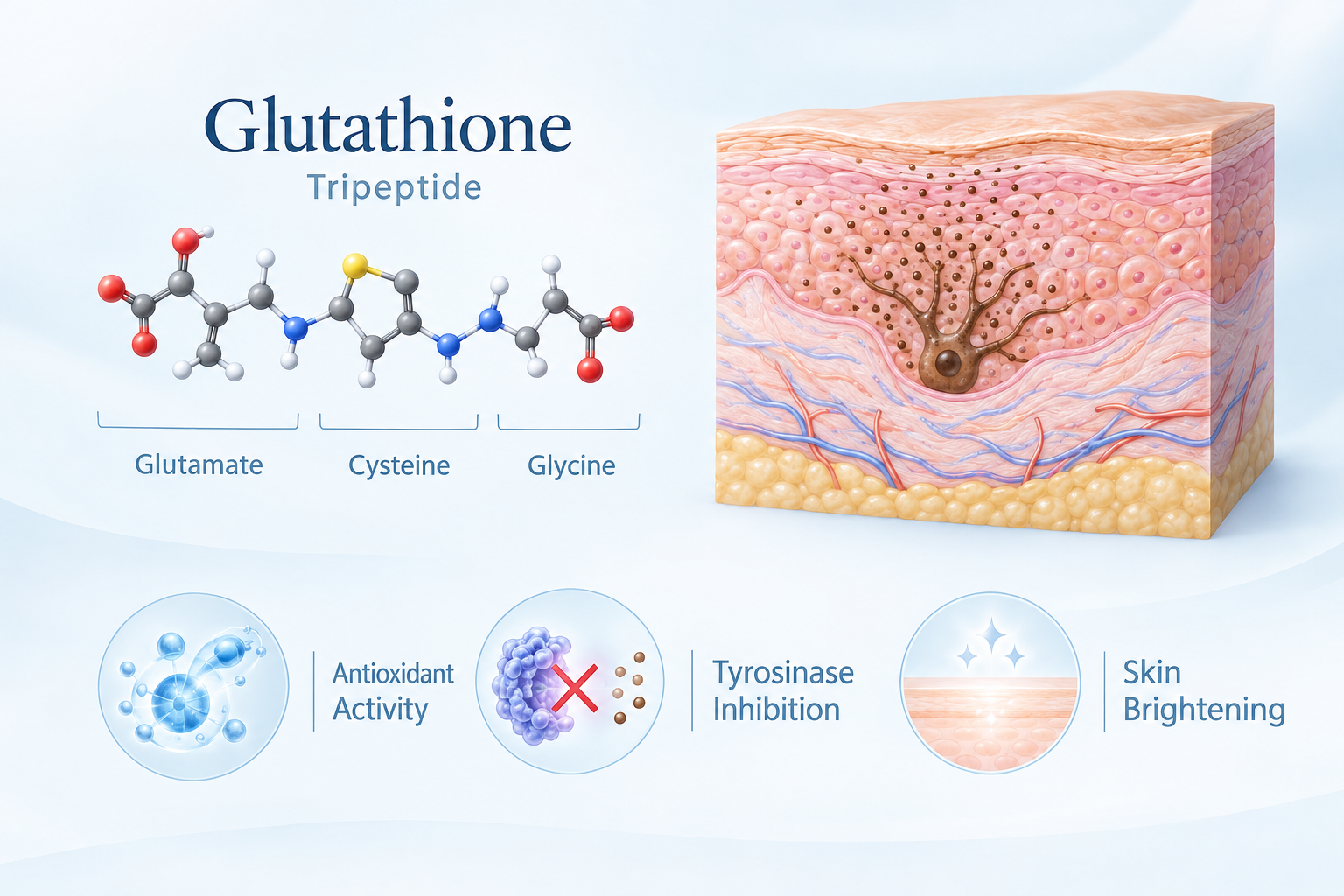
Glutathione is a small tripeptide molecule composed of three amino acids: glutamic acid, cysteine, and glycine. It is produced naturally in virtually every cell of the human body, with the highest concentrations found in the liver. Often called the master antioxidant, glutathione plays a central role in neutralising oxidative stress, supporting immune function, and facilitating cellular detoxification. The active, protective form is reduced glutathione (GSH); when it neutralises a free radical, it becomes oxidised glutathione (GSSG), which the body can recycle back to GSH — a process known as antioxidant recycling.
Glutathione levels decline naturally with age, and are further depleted by chronic stress, alcohol consumption, smoking, poor sleep, and exposure to environmental pollutants. This depletion is one reason researchers began investigating whether supplementing or topically applying glutathione could benefit skin health and appearance.
How Glutathione Works on Skin
Glutathione influences skin appearance through two primary mechanisms: antioxidant protection and pigment modulation.
Antioxidant Protection and Oxidative Stress Reduction
UV radiation, pollution, and metabolic processes generate free radicals that damage skin cells, degrade collagen, and accelerate visible ageing. Glutathione neutralises these reactive oxygen species, reducing oxidative damage at a cellular level. By protecting keratinocytes and fibroblasts from oxidative stress, glutathione may help preserve skin elasticity, support collagen integrity, and reduce the cumulative photodamage that contributes to fine lines, wrinkles, and dull skin.
Tyrosinase Inhibition and Melanogenesis
The most studied skin-specific mechanism is tyrosinase inhibition. Tyrosinase is the key enzyme that drives melanogenesis — the process by which melanocytes produce melanin pigment. Glutathione inhibits tyrosinase activity, which slows melanin synthesis. Beyond simply reducing melanin output, glutathione also shifts the type of melanin produced: it encourages a switch from eumelanin (the darker brown-black pigment) toward pheomelanin (a lighter yellow-red pigment). This dual action — less melanin overall, and a lighter variety of what remains — is the basis for glutathione's skin brightening effect.
It is important to understand that this is pigment modulation, not bleaching. Glutathione does not destroy existing melanin or permanently alter melanocyte function. When glutathione use is discontinued, melanin production typically returns to its baseline level, and pigmentation can gradually reappear.
Skin Benefits of Glutathione Supported by Evidence
Skin Brightening and More Even Skin Tone
The most consistently reported benefit across clinical studies is a reduction in skin luminance measurements and a more even complexion. A frequently cited randomised controlled trial found that oral glutathione at 500 mg daily for four weeks produced a statistically significant reduction in melanin index compared with placebo. Participants across multiple Fitzpatrick skin types showed improvement, though the effect was modest and reversible. Topical glutathione at concentrations of around 1–2% applied twice daily has also shown measurable reductions in hyperpigmentation in small studies, with results typically visible after eight to twelve weeks of consistent use.
Reduction of Dark Spots and Post-Inflammatory Hyperpigmentation
Glutathione may help reduce the appearance of dark spots, sun spots, age spots, and post-inflammatory hyperpigmentation — the discolouration that often follows acne, eczema flares, or minor skin trauma. By slowing tyrosinase activity in affected areas, glutathione can gradually lighten these localised patches. Evidence for melasma — a more complex, hormonally influenced form of hyperpigmentation — is less conclusive, and glutathione is generally considered a supportive rather than primary treatment for this condition.
Anti-Ageing and Skin Texture Improvement
By reducing oxidative stress and supporting collagen-producing fibroblasts, glutathione may contribute to improvements in skin texture, hydration, and the appearance of fine lines over time. Some studies have reported improvements in skin elasticity and a reduction in wrinkle severity with oral glutathione supplementation, though the evidence base remains relatively small and study durations have generally been short. These anti-ageing effects are considered secondary to the antioxidant mechanism rather than a direct collagen-stimulating action.
Photoprotection and UV Damage Mitigation
Glutathione does not function as a sunscreen and should never replace SPF protection. However, its antioxidant activity may help mitigate some of the downstream cellular damage caused by UV exposure, particularly when used alongside broad-spectrum sun protection. Some researchers have described this as a complementary photoprotective effect rather than primary UV defence.
Skin Barrier Support and Hydration
Emerging evidence suggests glutathione may support skin barrier function by reducing oxidative damage to lipid structures within the stratum corneum. Improved barrier integrity is associated with better skin hydration, reduced sensitivity, and a more resilient complexion. This area of research is still developing, and robust clinical data specifically on barrier restoration remain limited.
Delivery Methods: Topical, Oral, and IV Glutathione Compared
How glutathione is delivered to the body significantly affects how much reaches the skin and at what concentration. Each route has distinct advantages, limitations, and safety profiles.
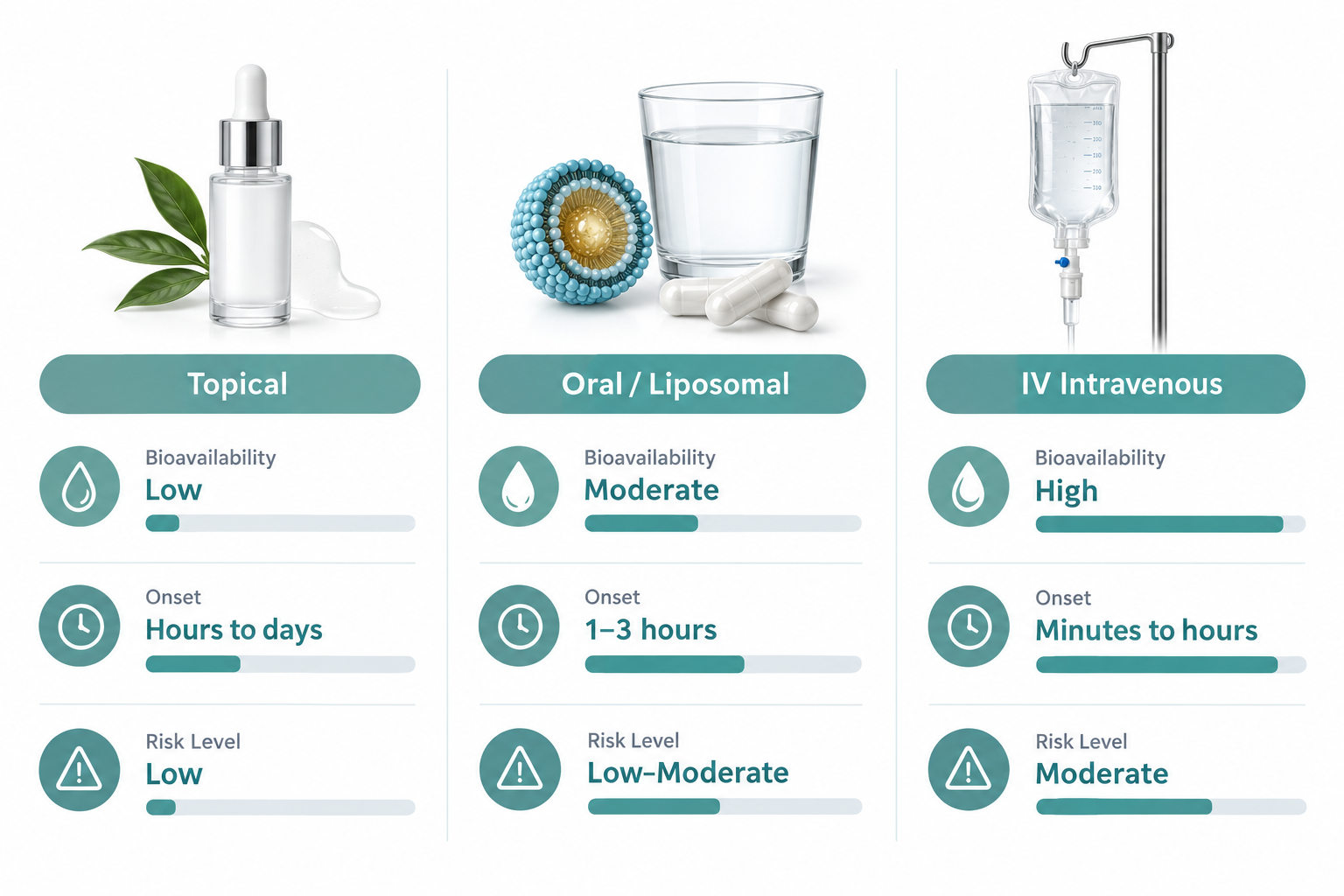
| Delivery Method | Bioavailability | Onset of Results | Convenience | Key Risks |
|---|---|---|---|---|
| Topical (serum, cream) | Low–moderate; limited by molecular size | 8–12 weeks | High | Mild irritation; patch test advised |
| Oral (capsule, sublingual) | Low–moderate; improved with liposomal forms | 4–12 weeks | High | Mild GI discomfort; generally well tolerated |
| Liposomal glutathione | Moderate–high; encapsulation improves absorption | 4–8 weeks | Moderate | Limited long-term data |
| IV (intravenous) | Highest; bypasses digestion entirely | Fastest | Low; clinic-based | Anaphylaxis, hepatotoxicity, renal and thyroid dysfunction; FDA warnings issued |
Topical Glutathione
Topical glutathione faces a significant challenge: the glutathione molecule is relatively large and hydrophilic, which limits its ability to penetrate the skin barrier and reach the melanocytes in the deeper epidermis. Standard aqueous formulations may offer only superficial antioxidant activity. Newer delivery technologies — including palmitoyl glutathione (a lipid-modified form) and encapsulated or nano-emulsion preparations — are designed to improve skin penetration, though independent clinical evidence for these newer forms is still accumulating. When choosing a topical product, look for concentrations of approximately 1–2% and formulations that address stability, as glutathione oxidises readily when exposed to air and light.
Oral Glutathione and Liposomal Glutathione
Standard oral glutathione capsules have historically been considered poorly absorbed because digestive enzymes break the tripeptide down before it can enter systemic circulation intact. More recent research suggests absorption may be better than previously thought, particularly with sublingual or liposomal glutathione formulations, where the active molecule is encapsulated in a lipid layer that protects it through the digestive tract. N-acetylcysteine (NAC), a well-studied glutathione precursor, provides the rate-limiting amino acid cysteine and reliably raises intracellular glutathione levels; it is sometimes used as an alternative or adjunct. Oral glutathione is generally considered safe for short-to-medium-term use and is classified as generally recognised as safe (GRAS) in the United States for food use, though standardised dosing protocols for skin-specific outcomes have not been established.
IV Glutathione
Intravenous glutathione delivers the molecule directly into the bloodstream, bypassing digestive breakdown entirely and achieving the highest systemic concentrations. However, this route carries the most significant safety risks. The US Food and Drug Administration (FDA) has issued warnings about compounded injectable glutathione products, citing reports of serious adverse events including anaphylactic reactions, hepatotoxicity, renal dysfunction, and thyroid abnormalities. There are no standardised dosing protocols for IV glutathione for cosmetic purposes, and the long-term safety of repeated IV administration has not been established in rigorous clinical trials. Anyone considering IV glutathione should discuss these risks thoroughly with a qualified medical practitioner and should only receive treatment in a clinical setting equipped to manage adverse reactions.
Vitamin C and Glutathione: A Useful Pairing
Vitamin C (ascorbic acid) and glutathione work synergistically through the antioxidant recycling pathway. When glutathione donates electrons to neutralise free radicals, it becomes oxidised and temporarily inactive. Vitamin C helps regenerate glutathione back to its active reduced form, extending its protective activity. Vitamin C also independently inhibits tyrosinase and reduces melanin synthesis, making the combination particularly relevant for addressing hyperpigmentation and oxidative skin damage. This vitamin C synergy is one reason many evidence-informed skincare formulations combine both ingredients. When using topical products, applying a stable vitamin C serum alongside a glutathione preparation may enhance the overall brightening and antioxidant effect, though individual response varies.
Ingredient Pairings Worth Knowing
Beyond vitamin C, several other ingredients complement glutathione's mechanisms and may enhance results when used appropriately:
- Niacinamide (vitamin B3): Inhibits the transfer of melanosomes from melanocytes to keratinocytes, addressing pigmentation through a different pathway. Well tolerated and compatible with glutathione.
- Alpha-lipoic acid: Another endogenous antioxidant that supports glutathione recycling and has independent anti-ageing properties.
- Kojic acid: A tyrosinase inhibitor derived from fungi; combining it with glutathione may offer additive brightening effects, though the combination should be introduced carefully to avoid irritation.
- Ferulic acid: Stabilises vitamin C and vitamin E in topical formulations and adds antioxidant activity, making it a useful supporting ingredient in a glutathione-containing routine.
How to Boost Glutathione Naturally
Diet and lifestyle choices meaningfully influence the body's endogenous glutathione levels. While food sources alone are unlikely to produce the same skin effects as targeted supplementation, supporting natural glutathione production is a sensible foundation.
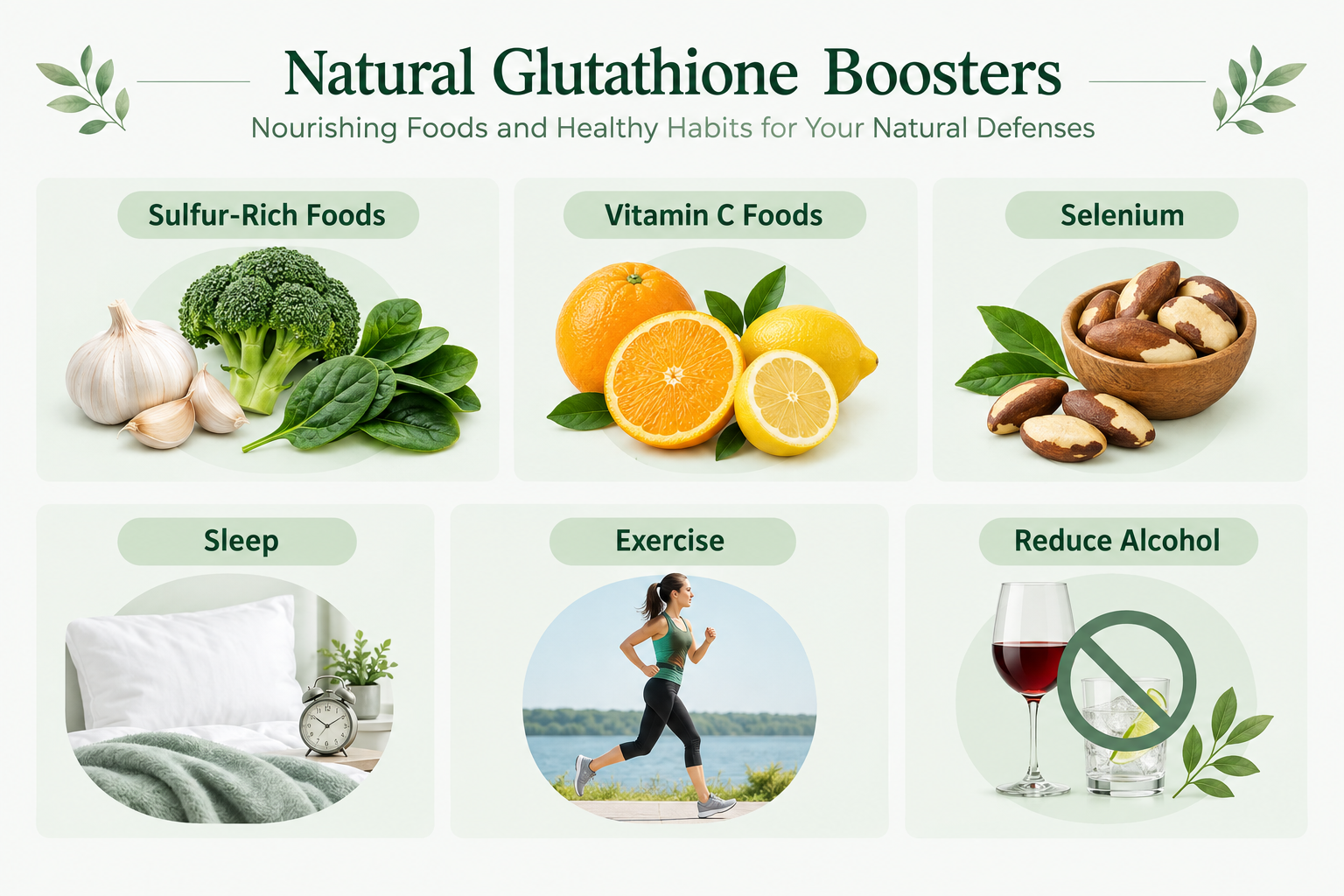
- Sulfur-rich foods: Garlic, onions, leeks, and cruciferous vegetables such as broccoli, Brussels sprouts, and cauliflower provide the sulfur-containing amino acids needed for glutathione synthesis.
- Glutathione-containing foods: Spinach, avocado, and asparagus contain glutathione directly, though cooking reduces bioavailability.
- Vitamin C-rich foods: Citrus fruits, kiwi, strawberries, and bell peppers support glutathione recycling and independent antioxidant activity.
- Selenium: A trace mineral found in Brazil nuts, fish, and eggs that is essential for glutathione peroxidase enzyme activity.
- Whey protein: A rich source of cysteine, the rate-limiting amino acid in glutathione synthesis.
- Alpha-lipoic acid and curcumin: Both have been shown in research to upregulate glutathione production.
- Lifestyle factors: Regular moderate exercise, adequate sleep, and reducing alcohol consumption all support glutathione levels. Chronic alcohol use, smoking, and prolonged psychological stress are among the most significant lifestyle factors that deplete glutathione.
Safety, Side Effects, and Important Limitations
Topical and Oral Safety
Topical glutathione is generally well tolerated. Mild skin irritation or redness is possible, particularly in sensitive skin types, and a patch test before full application is advisable. Oral glutathione and NAC are also considered broadly safe for most healthy adults at typical supplementation doses, with mild gastrointestinal discomfort being the most commonly reported side effect. Neither topical nor oral glutathione has been associated with serious systemic adverse events in the published literature at standard doses, though long-term safety data beyond several months remain limited.
Rebound Hyperpigmentation
One clinically important limitation that is rarely discussed in consumer-facing content is the risk of rebound hyperpigmentation. Because glutathione modulates rather than permanently alters melanin production, pigmentation typically returns after discontinuation — and in some cases may temporarily appear darker than the baseline before treatment. This is particularly relevant for individuals with deeper Fitzpatrick skin types who are using glutathione for melasma or diffuse hyperpigmentation. Gradual tapering rather than abrupt cessation, combined with consistent sun protection, may help minimise this effect, but the risk should be discussed with a practitioner before starting treatment.
Skin-Type Considerations
Much of the clinical research on glutathione for skin brightening has been conducted in participants with Fitzpatrick skin types III–V, where hyperpigmentation concerns are most prevalent. While this means there is a reasonable evidence base for these skin tones, it also means the ethical and clinical complexity of pigment modulation in darker skin deserves careful consideration. Glutathione is not a treatment for natural skin colour; it addresses pathological or UV-induced pigmentation changes. Practitioners should frame treatment goals clearly and ensure patients have realistic expectations.
IV Glutathione Warnings
As noted above, IV glutathione carries the most significant risk profile. The FDA has specifically warned against the use of compounded injectable glutathione for skin lightening, citing a lack of evidence for safety and efficacy and reports of serious adverse events. Anyone offered IV glutathione in a non-clinical or unregulated setting should exercise considerable caution.
Frequently Asked Questions
How long does it take to see results from glutathione?
Results depend on the delivery method and the concern being addressed. Topical glutathione typically requires eight to twelve weeks of consistent twice-daily use before visible changes in pigmentation become apparent. Oral supplementation may show measurable effects on melanin index within four to twelve weeks. IV glutathione may produce faster visible changes, but the safety risks associated with this route must be weighed carefully against the speed of results.
Is glutathione suitable for all skin types?
Topical and oral glutathione are generally considered suitable across a range of skin types, including darker Fitzpatrick skin tones where hyperpigmentation is a common concern. However, individual suitability depends on the specific skin concern, medical history, and any concurrent medications or conditions. A dermatologist or qualified aesthetic practitioner should assess your skin before you begin a glutathione regimen.
Can I use glutathione every day?
Topical glutathione serums and creams are typically formulated for daily use, often twice daily. Oral supplements are generally taken once daily. Daily use is considered appropriate for most people, but it is advisable to follow the specific guidance of the product or your practitioner, particularly if you have sensitive skin or are combining glutathione with other active ingredients such as retinoids or exfoliating acids.
Will pigmentation return after I stop using glutathione?
In most cases, yes. Glutathione modulates melanin production while it is being used; it does not permanently alter melanocyte function. After discontinuation, melanin production returns to its natural level, and pigmentation may gradually reappear. Consistent sun protection and, where appropriate, a maintenance regimen can help prolong results.
Is glutathione the same as skin whitening?
Glutathione is more accurately described as a skin brightening and pigment-modulating agent rather than a whitening agent. It reduces excess or uneven pigmentation caused by UV damage, inflammation, or hormonal factors — it does not alter your natural skin colour or act as a bleaching agent. The distinction matters both clinically and ethically.
Can glutathione be combined with other brightening treatments?
Glutathione is frequently used alongside vitamin C, niacinamide, and chemical exfoliants as part of a broader brightening routine. In a clinical setting, it may complement treatments such as chemical peels, laser therapy, or microneedling for hyperpigmentation. Combining multiple active ingredients requires careful sequencing to avoid irritation, and professional guidance is recommended.
What should I look for on a glutathione product label?
For topical products, look for glutathione or its derivatives (such as palmitoyl glutathione) listed within the first half of the ingredient list, ideally at concentrations of 1–2%. Stable, opaque, or airless packaging helps prevent oxidation. For oral supplements, liposomal formulations or sublingual preparations may offer better absorption than standard capsules. Avoid products that make unqualified claims about permanent skin colour change.
Is Glutathione the Right Choice for Your Skin Concerns?
Glutathione offers a genuinely evidence-supported mechanism for addressing hyperpigmentation, uneven skin tone, and oxidative skin ageing — but it is not a miracle ingredient, and realistic expectations matter. The strongest evidence supports topical and oral use for reducing melanin index and improving skin brightness over several weeks to months of consistent use. Results are real but modest, and they are not permanent; discontinuing glutathione typically allows pigmentation to return over time.
The delivery method you choose should reflect both your goals and your tolerance for risk. Topical and oral glutathione, particularly liposomal formulations, offer a reasonable benefit-to-risk ratio for most people. IV glutathione may produce faster results but carries meaningful safety risks and has attracted regulatory scrutiny; it should only be considered under close medical supervision in a fully equipped clinical environment.
If you are dealing with persistent hyperpigmentation, melasma, post-inflammatory dark spots, or early signs of photoageing, glutathione may be a useful part of a broader skincare strategy — particularly when combined with consistent sun protection, vitamin C, and other evidence-based ingredients. A consultation with a qualified dermatologist or aesthetic practitioner will help you determine whether glutathione is appropriate for your skin type, concerns, and overall health, and which delivery method and formulation are most likely to deliver meaningful results safely.
