

Hormonal imbalance signs can range from subtle shifts in mood and energy to more obvious changes like irregular periods, unexplained weight gain, or persistent acne. Because hormones regulate nearly every system in the body — from metabolism and sleep to reproduction and mental health — even a small disruption in the amount of a single hormone can produce a wide range of symptoms. This article explains the most clinically recognised signs, maps them to the hormones most likely involved, and helps you understand when those symptoms warrant a conversation with a healthcare professional.
Key Takeaways
- Hormonal imbalance occurs when the body produces too much or too little of a hormone, affecting multiple body systems simultaneously.
- Common signs include fatigue, mood swings, irregular menstrual cycles, unexplained weight changes, brain fog, low libido, and skin or hair changes.
- Symptoms differ meaningfully between women, men, and different life stages — a one-size-fits-all symptom list can be misleading.
- Many hormonal imbalance signs overlap with other conditions such as anaemia, thyroid disorder, or depression, so professional testing is essential before drawing conclusions.
- Symptom tracking before your appointment can significantly improve the quality of your consultation and help your doctor identify patterns.
What Is a Hormonal Imbalance?
A hormonal imbalance occurs when the concentration of one or more hormones in the bloodstream is higher or lower than the range needed for normal physiological function. Hormones are chemical messengers produced by glands in the endocrine system — including the thyroid, adrenal glands, ovaries, testes, and pancreas — and they travel through the bloodstream to regulate processes such as metabolism, growth, mood, reproduction, and sleep. When the system is working well, hormone levels rise and fall in carefully timed patterns. When something disrupts that balance — whether through a medical condition, chronic stress, ageing, or lifestyle factors — the effects can be felt across multiple body systems at once.
Common underlying causes include polycystic ovary syndrome (PCOS), thyroid disorders (both underactive and overactive), adrenal dysfunction, insulin resistance, perimenopause, and natural hormonal shifts during puberty or the postpartum period. In some cases, lifestyle factors such as chronic poor sleep, high cortisol levels from prolonged stress, or exposure to endocrine-disrupting chemicals in the environment can contribute. Identifying the cause matters because treatment depends on which hormone is affected and why.
Symptom-to-Hormone Mapping: A Practical Overview
One of the most useful things a clinician does during assessment is connect a cluster of symptoms to a likely hormonal cause. The table below maps common hormonal imbalance signs to the hormones most frequently implicated and the conditions most often associated with them. This is a general guide, not a diagnostic tool — many symptoms overlap, and a hormone blood test is needed to confirm any imbalance.
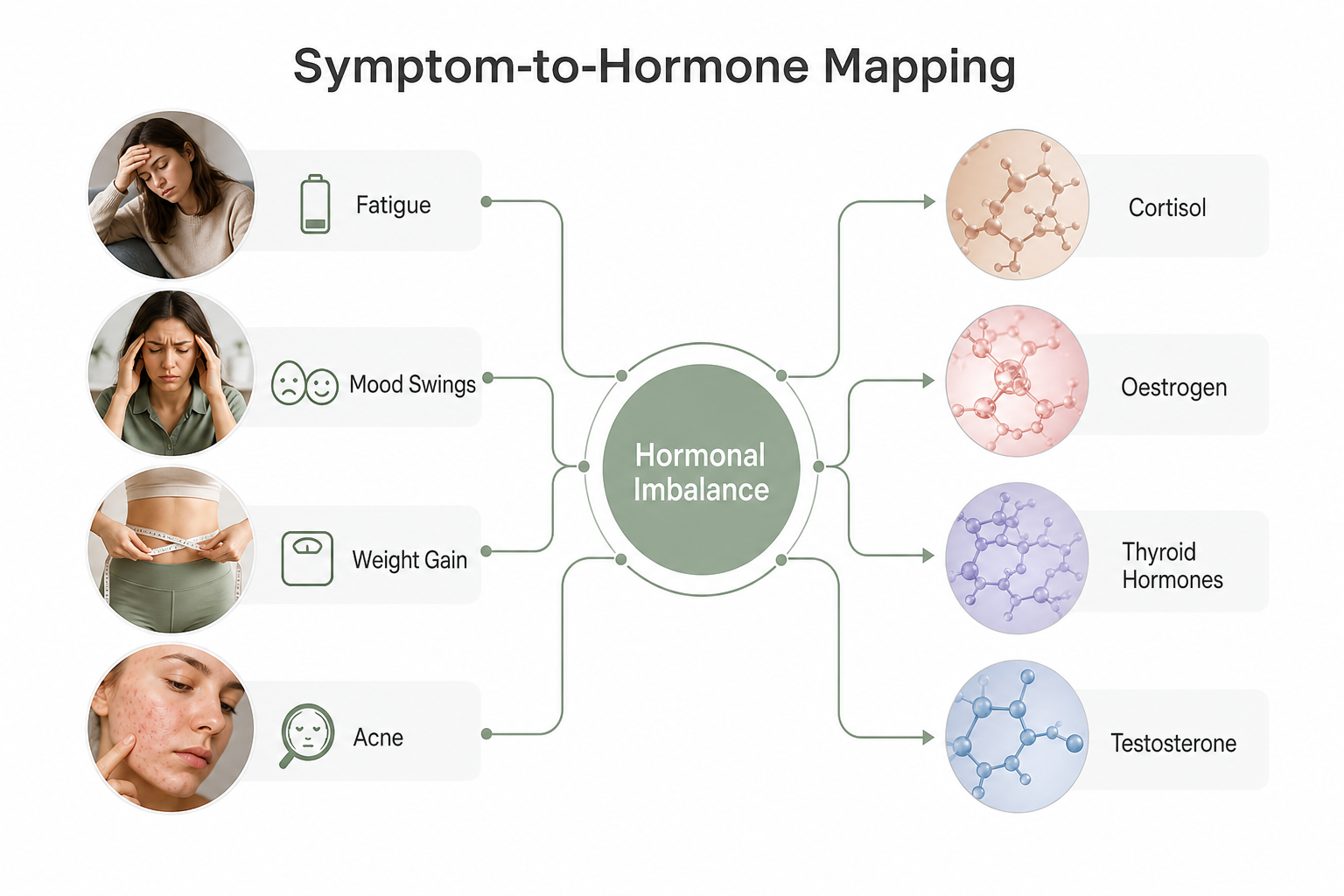
| Sign or Symptom | Hormone(s) Most Often Involved | Commonly Associated Condition |
|---|---|---|
| Irregular or absent periods | Oestrogen, progesterone, LH, FSH | PCOS, hypothalamic dysfunction, perimenopause |
| Unexplained weight gain | Thyroid hormones (T3/T4), insulin, cortisol | Hypothyroidism, insulin resistance, Cushing’s syndrome |
| Unexplained weight loss | Thyroid hormones (T3/T4) | Hyperthyroidism |
| Fatigue and low energy | Thyroid hormones, cortisol, oestrogen | Hypothyroidism, adrenal fatigue, perimenopause |
| Mood swings, anxiety, depression | Oestrogen, progesterone, cortisol, serotonin (indirect) | PMS, PMDD, perimenopause, thyroid disorder |
| Brain fog | Oestrogen, thyroid hormones, cortisol | Perimenopause, hypothyroidism, chronic stress |
| Hot flashes and night sweats | Oestrogen | Perimenopause, menopause |
| Low libido | Testosterone, oestrogen, DHEA-S | Hypogonadism, menopause, andropause |
| Hair thinning or loss | Thyroid hormones, testosterone (DHT), oestrogen | Hypothyroidism, PCOS, androgenic alopecia |
| Acne (especially jawline) | Testosterone, insulin, DHEA-S | PCOS, androgen excess |
| Excess facial or body hair (hirsutism) | Testosterone, DHEA-S | PCOS, adrenal disorders |
| Insomnia or poor sleep | Progesterone, cortisol, oestrogen | Perimenopause, chronic stress, thyroid disorder |
| Infertility | FSH, LH, oestrogen, progesterone, prolactin | PCOS, hypothyroidism, hyperprolactinaemia |
| Erectile dysfunction | Testosterone, prolactin | Hypogonadism, hyperprolactinaemia |
| Sensitivity to cold or heat | Thyroid hormones (T3/T4) | Hypothyroidism (cold), hyperthyroidism (heat) |
| Rapid heartbeat | Thyroid hormones | Hyperthyroidism |
| Bloating and digestive changes | Progesterone, oestrogen, cortisol | PMS, IBS overlap, perimenopause |
Common Hormonal Imbalance Signs in Women
Women are more frequently diagnosed with hormonal imbalances, partly because the female reproductive cycle involves regular, measurable hormonal fluctuations that can be disrupted at multiple points. The signs below are among the most clinically recognised.
Irregular Menstrual Cycle
An irregular menstrual cycle — periods that arrive too early, too late, are unusually heavy or light, or stop altogether — is one of the clearest indicators that reproductive hormones are out of balance. Oestrogen and progesterone work in a coordinated rhythm with follicle-stimulating hormone (FSH) and luteinising hormone (LH) to regulate ovulation and the uterine lining. When any of these hormones is disrupted, the cycle becomes unpredictable. PCOS is one of the most common causes of irregular periods in women of reproductive age, but thyroid disorders, elevated prolactin, and perimenopause can produce similar patterns. Tracking cycle length, flow, and associated symptoms over two to three months before a medical appointment gives a clinician much more useful information than a single observation.
Hot Flashes, Night Sweats, and Vaginal Dryness
Hot flashes and night sweats are closely associated with declining oestrogen levels, most commonly during perimenopause and menopause. Oestrogen influences the hypothalamus — the brain region that regulates body temperature — and when levels fall, the hypothalamus can misread normal body temperature as too high, triggering a heat-dissipation response. Vaginal dryness, reduced lubrication, and discomfort during intercourse are also linked to low oestrogen and are often underreported by patients despite being highly treatable. These symptoms can begin years before the final menstrual period, during the perimenopause transition.
Acne, Hirsutism, and Skin Changes
Adult acne — particularly along the jawline and chin — is frequently associated with elevated androgens (male hormones such as testosterone and DHEA-S) in women. Androgens stimulate sebum production, which can block pores and promote bacterial growth. Hirsutism, meaning excess hair growth on the face, chest, or abdomen in a typically male pattern, is another sign of androgen excess and is a hallmark feature of PCOS. Skin changes such as darkened patches in skin folds (acanthosis nigricans) can indicate insulin resistance, which often accompanies hormonal imbalances like PCOS. Dry, coarse skin and hair thinning are more commonly associated with hypothyroidism.
Mood Changes, Anxiety, and Brain Fog
Oestrogen has a significant influence on neurotransmitter systems, including serotonin and dopamine, which regulate mood, motivation, and cognitive function. When oestrogen levels fluctuate or decline — as they do premenstrually, postpartum, or during perimenopause — many women experience mood swings, heightened anxiety, low mood, or difficulty concentrating. Brain fog, described as a feeling of mental cloudiness or difficulty recalling words and information, is a particularly common complaint during perimenopause and in women with thyroid disorders. Elevated cortisol levels from chronic stress can compound these effects by disrupting sleep and further suppressing reproductive hormones.
Common Hormonal Imbalance Signs in Men
Hormonal imbalances in men are less frequently discussed but are clinically significant. Testosterone levels decline gradually from around the age of 30, and more pronounced drops — sometimes called andropause — can produce a recognisable cluster of symptoms. Thyroid disorders and elevated cortisol also affect men in ways that are often attributed to ageing or stress rather than investigated hormonally.
Low Libido, Erectile Dysfunction, and Reduced Muscle Mass
Low libido and erectile dysfunction (ED) are among the most commonly reported signs of low testosterone in men. Testosterone plays a central role in sexual desire, and declining levels can reduce interest in sex, impair erectile function, and reduce the frequency of spontaneous erections. Alongside these changes, men with low testosterone often notice a reduction in muscle mass and strength, increased body fat — particularly around the abdomen — and reduced physical stamina. These changes can develop gradually and are sometimes dismissed as normal ageing, which is why a hormone blood test is useful when multiple symptoms are present together.
Fatigue, Mood Changes, and Cognitive Symptoms
Chronic fatigue, low motivation, irritability, and difficulty concentrating are frequently reported by men with low testosterone or thyroid imbalances. The overlap with depression is significant — low testosterone can contribute to depressive symptoms, and depression itself can suppress testosterone production, creating a cycle that is difficult to break without identifying the underlying hormonal component. Men with hyperthyroidism may experience anxiety, rapid heartbeat, and unintentional weight loss, while hypothyroidism tends to produce fatigue, weight gain, and sensitivity to cold.
Gynaecomastia and Bone Loss
Gynaecomastia — the development of breast tissue in men — can occur when the ratio of oestrogen to testosterone shifts, either because testosterone is low or because oestrogen is relatively elevated. This is more common in older men and in those with obesity, as adipose tissue converts testosterone to oestrogen. Bone loss is another underappreciated consequence of low testosterone in men; testosterone supports bone density, and prolonged deficiency increases the risk of osteoporosis and fracture, a risk that is often associated primarily with women but is clinically relevant in men as well.
Hormonal Imbalance Signs by Life Stage
Hormonal imbalance signs are not uniform across a lifetime. The hormones most likely to be disrupted — and the symptoms that result — differ meaningfully depending on age and life stage.
Teens and Puberty
During puberty, hormonal changes are expected and normal, but imbalances can still occur. In girls, PCOS often first becomes apparent in the teenage years with irregular periods, acne, and excess hair growth. Delayed puberty — defined as the absence of breast development by age 13 in girls or testicular enlargement by age 14 in boys — may indicate a problem with FSH, LH, or sex hormone production. In boys, gynaecomastia during puberty is common and usually temporary, but persistent breast tissue development warrants assessment. Growth hormone deficiency can also present during childhood and adolescence with slower-than-expected growth.
Reproductive Years (20s–40s)
During the reproductive years, the most common hormonal concerns in women include PCOS, thyroid disorders, and the hormonal shifts of the postpartum period. Postpartum thyroiditis — inflammation of the thyroid gland after delivery — affects a meaningful proportion of women and can cause a phase of hyperthyroidism followed by hypothyroidism, with symptoms including fatigue, mood changes, and weight fluctuations. Oestrogen dominance, a relative excess of oestrogen compared to progesterone, is another pattern seen in this age group and may contribute to heavy periods, bloating, breast tenderness, and mood changes. Infertility investigations in this age group frequently involve hormone testing to assess ovarian reserve (AMH), ovulation (LH, progesterone), and thyroid function.
Perimenopause and Menopause (40s–60s)
Perimenopause — the transitional phase leading up to the final menstrual period — typically begins in the mid-40s but can start earlier. During this phase, oestrogen and progesterone levels become increasingly erratic before declining overall. The result is a wide range of hormonal imbalance signs including irregular periods, hot flashes and night sweats, sleep disturbances, mood changes, brain fog, vaginal dryness, and reduced bone density. Many women are surprised to learn that perimenopause can last several years and that symptoms can be significant well before periods stop entirely. Hormone replacement therapy (HRT) is one established treatment option for managing perimenopausal and menopausal symptoms, though suitability depends on individual medical history and should be discussed with a qualified clinician.
The Role of Cortisol and Lifestyle Triggers
Cortisol, the primary stress hormone produced by the adrenal glands, has a broad influence on hormonal balance. Chronically elevated cortisol levels — driven by sustained psychological stress, poor sleep, or overtraining — can suppress reproductive hormone production, disrupt thyroid function, promote insulin resistance, and contribute to weight gain around the abdomen. This is why lifestyle factors are not simply background context in a discussion of hormonal imbalance; they can be direct contributors to the imbalance itself.
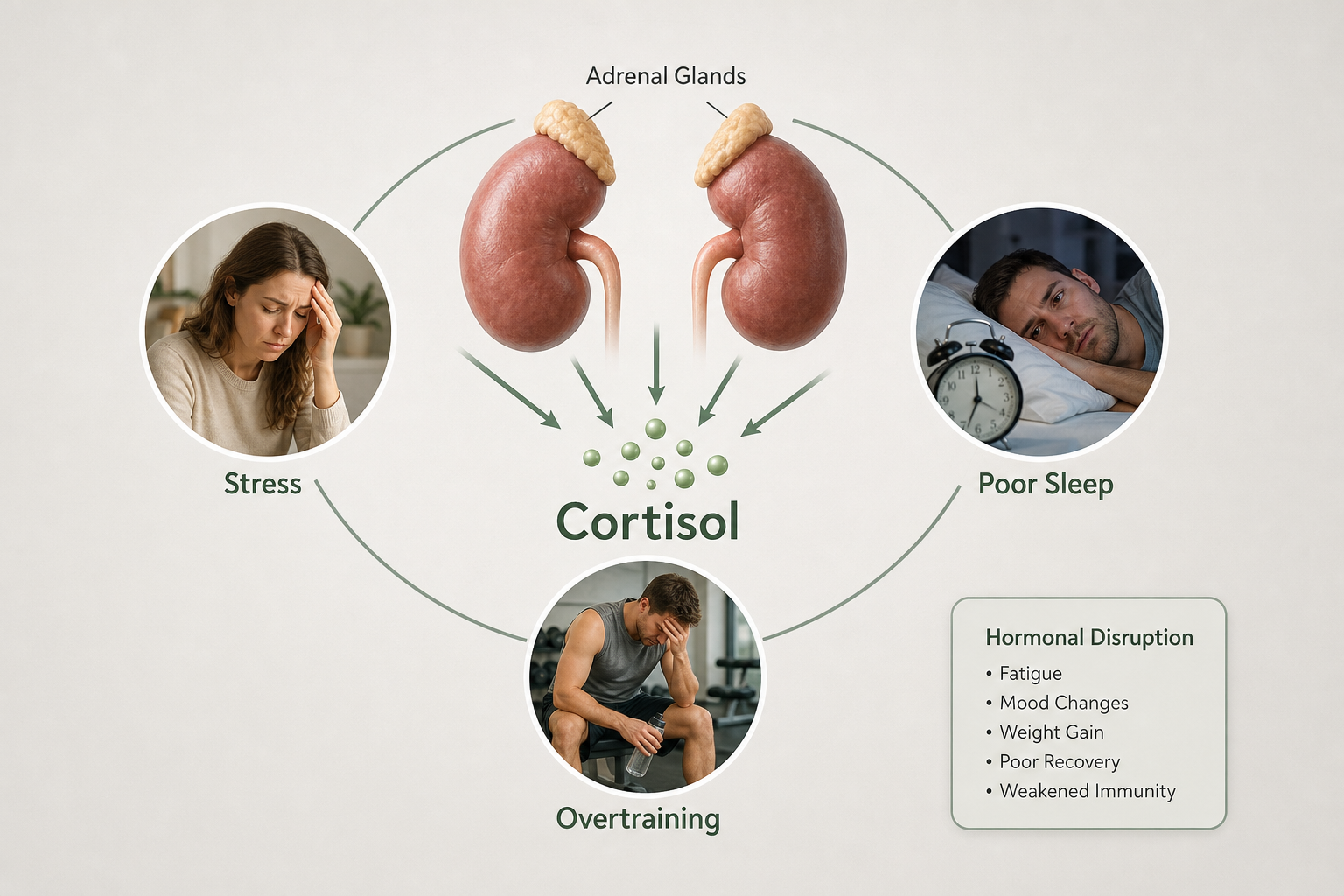
Poor sleep is particularly significant. Hormones including growth hormone, cortisol, and reproductive hormones follow circadian rhythms, and disrupted sleep patterns interfere with these cycles. Endocrine-disrupting chemicals found in some plastics, pesticides, and personal care products have also been identified as potential contributors to hormonal disruption, though the clinical significance of everyday exposure levels remains an area of ongoing research. Addressing sleep quality, stress management, and diet — particularly reducing refined carbohydrates that drive insulin spikes — is often part of a comprehensive approach to managing hormonal imbalances alongside medical treatment.
A Note on Birth Control and Masked Imbalances
Hormonal contraceptives — including combined oral contraceptive pills, hormonal coils, and implants — work by overriding the body’s natural hormonal cycle. This means that underlying conditions such as PCOS, thyroid disorders, or oestrogen dominance may not produce their usual symptoms while a person is using hormonal birth control. Irregular periods, for example, may be regulated artificially by the pill even when the underlying hormonal pattern is disrupted. This is clinically important because some people only discover a pre-existing hormonal imbalance after stopping contraception, when symptoms that were previously masked become apparent. If you are concerned about hormonal health, it is worth discussing this with your doctor, particularly if you are planning to stop contraception or are trying to conceive.
Symptoms That Require Prompt Medical Attention
Most hormonal imbalance signs develop gradually and warrant a routine appointment rather than emergency care. However, some presentations require more urgent assessment. Seek prompt medical attention if you experience very heavy menstrual bleeding that soaks through a pad or tampon every hour for several consecutive hours, severe pelvic pain, sudden and significant unexplained weight loss, chest pain or a rapid irregular heartbeat, or symptoms of a severe depressive episode including thoughts of self-harm. These presentations may indicate conditions — such as a thyroid crisis, severe anaemia from blood loss, or a significant mood disorder — that require timely investigation and treatment rather than a routine wait-and-see approach.
How Hormonal Imbalance Is Diagnosed
Diagnosis begins with a detailed medical history and physical examination. A clinician will ask about the nature and duration of symptoms, menstrual history, medications, family history, and lifestyle factors. Hormone blood tests are the primary diagnostic tool and may include measurements of oestrogen, progesterone, testosterone, TSH (thyroid-stimulating hormone), free T4, FSH, LH, prolactin, DHEA-S, fasting insulin, and glucose, depending on the clinical picture. Saliva and urine hormone tests are available but are generally considered less standardised than blood tests for most clinical purposes.
An endocrinologist — a specialist in hormonal conditions — may be involved if the initial assessment suggests a complex or multi-system hormonal disorder. Imaging such as an ultrasound of the ovaries or a thyroid scan may also be requested. It is worth noting that a single blood test result is not always sufficient; some hormone levels fluctuate significantly across the menstrual cycle or time of day, so timing and context matter when interpreting results.
Symptom Tracking Before Your Appointment
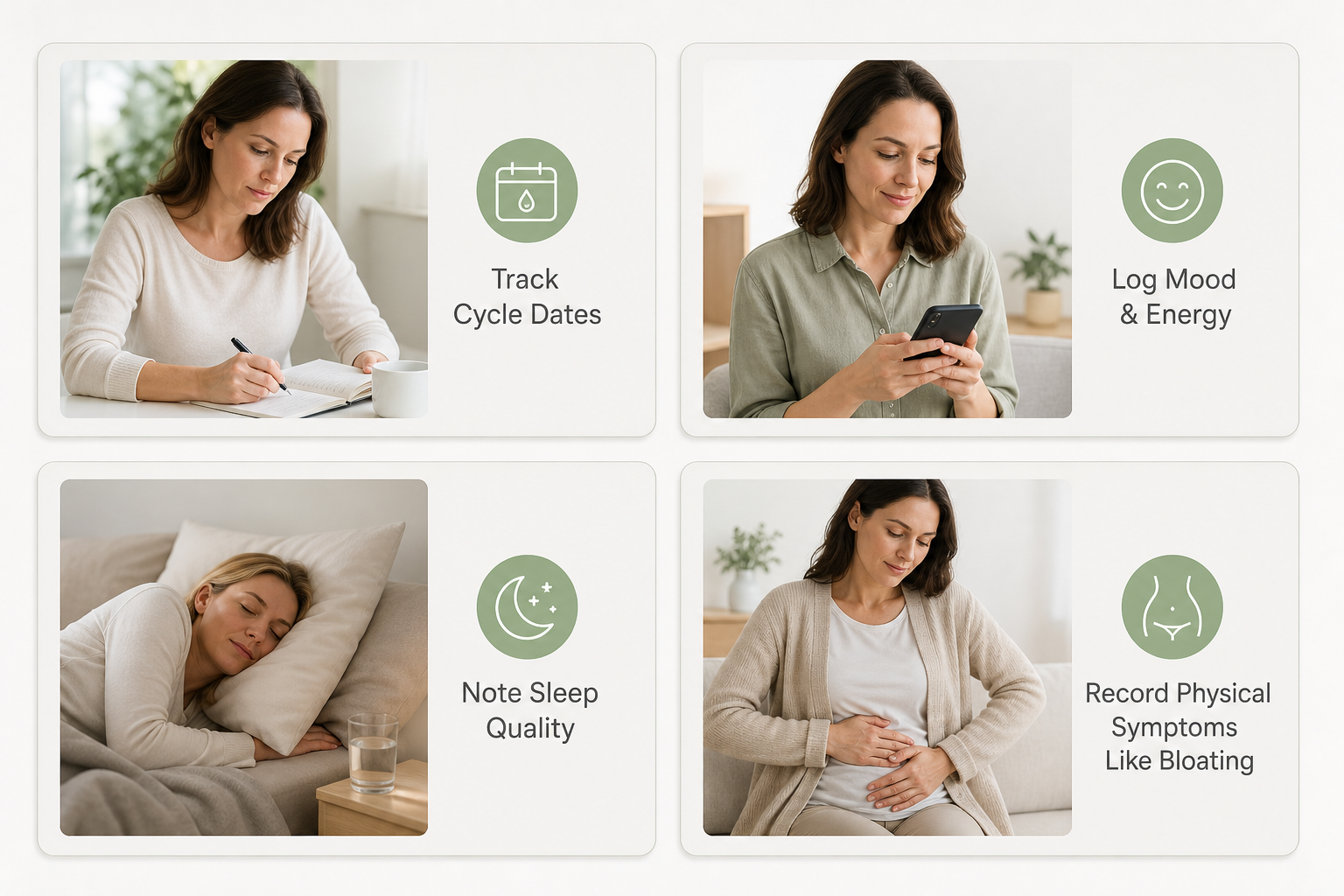
Symptom tracking is a practical and underused tool that can meaningfully improve the quality of a hormonal assessment. Before your appointment, consider keeping a daily log for four to eight weeks that records cycle dates and flow, energy levels, mood, sleep quality, any physical symptoms such as bloating or headaches, and any changes in weight or appetite. For women, noting where symptoms fall in relation to the menstrual cycle can help a clinician identify patterns consistent with conditions such as PCOS, premenstrual dysphoric disorder (PMDD), or perimenopause. Apps designed for cycle tracking can simplify this process, though a simple written diary is equally effective. Bringing this record to your appointment gives your doctor a much richer picture than a verbal summary of how you have been feeling generally.
Frequently Asked Questions
Can hormonal imbalance cause anxiety and depression?
Yes, hormonal imbalances can contribute to anxiety and depression. Oestrogen influences serotonin and dopamine pathways, and declining or fluctuating oestrogen levels — as seen in perimenopause or premenstrually — can lower mood and increase anxiety. Elevated cortisol from chronic stress has a similar effect. Thyroid disorders, both overactive and underactive, are also well-recognised causes of mood disturbance. However, anxiety and depression have many causes, and a hormonal imbalance should be considered alongside other contributing factors rather than assumed to be the sole explanation.
What is the difference between perimenopause and menopause?
Perimenopause is the transitional phase during which oestrogen and progesterone levels become irregular and gradually decline, typically beginning in the mid-40s. Menopause is defined as the point at which a person has not had a menstrual period for 12 consecutive months. Symptoms such as hot flashes, night sweats, and mood changes are common during perimenopause and may continue after menopause. Perimenopause can last anywhere from a few months to several years.
Can a hormonal imbalance cause weight gain even with a healthy diet?
Yes. Hypothyroidism slows metabolism, making weight gain possible even without changes in diet or activity. Elevated cortisol promotes fat storage, particularly around the abdomen. Insulin resistance — which can accompany PCOS or develop independently — makes it harder for cells to use glucose efficiently, contributing to weight gain and difficulty losing weight. If unexplained weight gain is accompanied by other hormonal imbalance signs, a hormone blood test is a reasonable next step.
How do I know if my acne is hormonal?
Hormonal acne in adults tends to appear along the lower face — particularly the jawline, chin, and neck — and often worsens in the days before a menstrual period. It is typically deeper and more cystic than the surface-level spots associated with blocked pores. If acne is accompanied by irregular periods, excess hair growth, or hair thinning, an androgen panel as part of a hormone blood test may help identify whether elevated testosterone or DHEA-S is contributing.
Is it possible to have a hormonal imbalance with normal blood test results?
It is possible, particularly if blood tests are taken at the wrong point in the menstrual cycle or if the imbalance is subtle and within the broad reference ranges used by standard laboratory panels. Some clinicians also consider functional patterns — where levels are technically within range but not optimal for that individual. If symptoms are persistent and significant, it is reasonable to discuss repeat testing at a different cycle phase or referral to an endocrinologist for a more detailed assessment.
Can men have oestrogen dominance?
Yes. Men produce small amounts of oestrogen naturally, and this is converted from testosterone in adipose tissue. In men with obesity, low testosterone, or certain liver conditions, the ratio of oestrogen to testosterone can shift, leading to symptoms such as gynaecomastia, reduced libido, fatigue, and mood changes. This pattern is sometimes referred to as oestrogen dominance in men, though the clinical terminology varies. A testosterone and oestradiol panel can help assess this.
When to Seek Help and What to Expect Next
If you recognise several of the hormonal imbalance signs described in this article — particularly if they have persisted for more than a few weeks, are affecting your quality of life, or have changed noticeably — it is worth arranging a consultation with your GP or a specialist. A hormone blood test is a straightforward starting point and can rule in or out many of the most common causes. Bring any symptom tracking records you have kept, a list of current medications (including any hormonal contraceptives), and a note of relevant family history, particularly thyroid disease, PCOS, or early menopause.
Treatment options vary widely depending on the underlying cause and may include lifestyle modifications, thyroid medication, hormonal birth control, hormone replacement therapy, or referral to an endocrinologist for more complex cases. The important point is that most hormonal imbalances are identifiable and manageable once properly diagnosed — and that acting on persistent symptoms is always preferable to waiting and hoping they resolve on their own.
