

Laser tattoo removal is a multi-session process, and what happens between appointments matters just as much as the treatment itself. Proper aftercare directly influences how well the skin heals, how effectively the immune system clears fragmented ink, and how safely you can proceed to your next session. This guide explains what to expect after each treatment, how to manage common side effects, and which aftercare steps are supported by clinical reasoning.
Key Takeaways
- The skin needs careful protection for at least two weeks after each laser session, as the treated area is vulnerable to infection, hyperpigmentation, and scarring during this period.
- Blistering, redness, swelling, and temporary darkening of the skin are normal responses to laser energy and do not usually indicate a complication.
- Sun exposure is one of the most significant risks to a good outcome — consistent broad-spectrum SPF use is essential throughout the entire removal course.
- Picking, scratching, or bursting blisters significantly increases the risk of scarring and infection and should always be avoided.
- Individual healing varies depending on skin tone, tattoo ink colours, tattoo age, immune health, and the laser technology used.
How Laser Tattoo Removal Works and Why Aftercare Matters
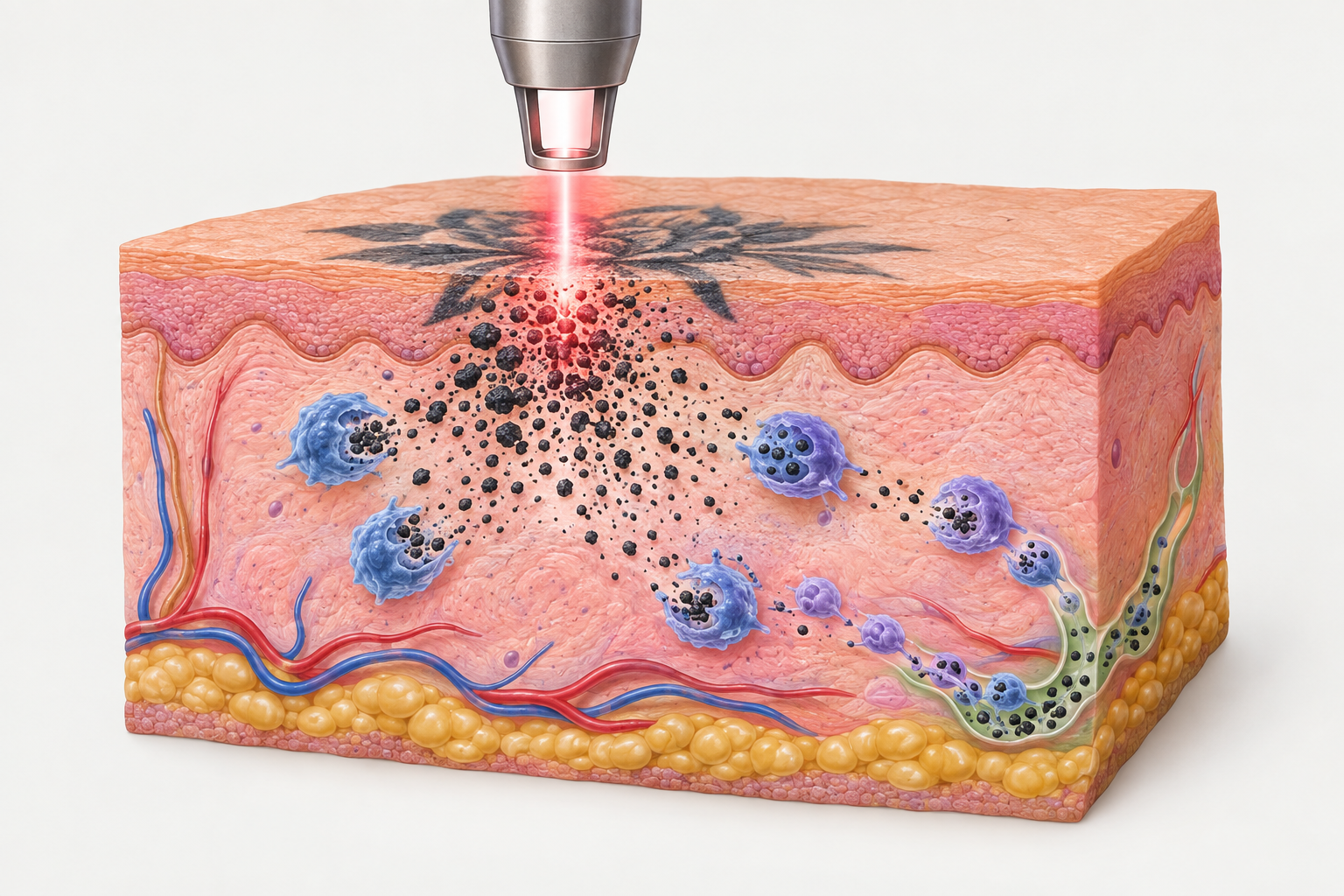
Understanding the mechanism behind laser tattoo removal helps explain why aftercare is not optional. Q-switched and picosecond lasers deliver ultra-short pulses of light energy at wavelengths selectively absorbed by tattoo ink pigments. This energy shatters ink particles into smaller fragments through a process called photoacoustic disruption. The fragmented particles are then gradually cleared by the body's lymphatic system and immune cells over the weeks following each session.
Each laser pulse also delivers thermal energy to the surrounding skin tissue. This causes a controlled inflammatory response — the redness, swelling, and blistering that patients commonly notice after treatment. This inflammation is a normal part of the healing process, but it also means the skin barrier is temporarily compromised. A compromised skin barrier is more susceptible to bacterial infection, UV damage, and post-inflammatory hyperpigmentation, which is why the aftercare period is clinically significant rather than simply a matter of comfort.
The quality of healing between sessions also affects the next treatment. Skin that has healed well, without scarring or persistent inflammation, can generally be treated again more safely and effectively. Poor aftercare can delay subsequent sessions, increase the risk of adverse effects, and potentially affect the overall outcome of the removal course.
What to Expect Immediately After Treatment
In the minutes and hours following a laser tattoo removal session, several predictable responses occur. The treated area typically turns white or frosted immediately after the laser pulses — this is called carbon dioxide gas formation within the skin and is a normal, transient reaction. Within a few hours, this frosting resolves and is replaced by redness, warmth, and swelling similar in appearance to a mild sunburn.
Blistering is common and can develop within the first 24 hours. Blisters form because the laser energy causes fluid to accumulate between skin layers as part of the inflammatory response. Their presence does not indicate that something has gone wrong; in many cases, blistering reflects an active immune response to the fragmented ink. However, blisters should never be deliberately burst, as doing so introduces a risk of bacterial infection and increases the likelihood of scarring.
Some patients also notice pinpoint bleeding or a raised, textured appearance to the skin immediately after treatment. This typically settles within a day or two. Mild to moderate discomfort, described by many patients as similar to a rubber band snapping against the skin, may persist for several hours after the session. Cooling the area with a clean, cold compress can help manage this discomfort in the first few hours.
The Healing Timeline: What Happens Week by Week
Healing after laser tattoo removal follows a broadly predictable pattern, though the pace varies between individuals and between sessions. Understanding this timeline helps patients distinguish normal healing from signs that warrant professional attention.
Days 1 to 3
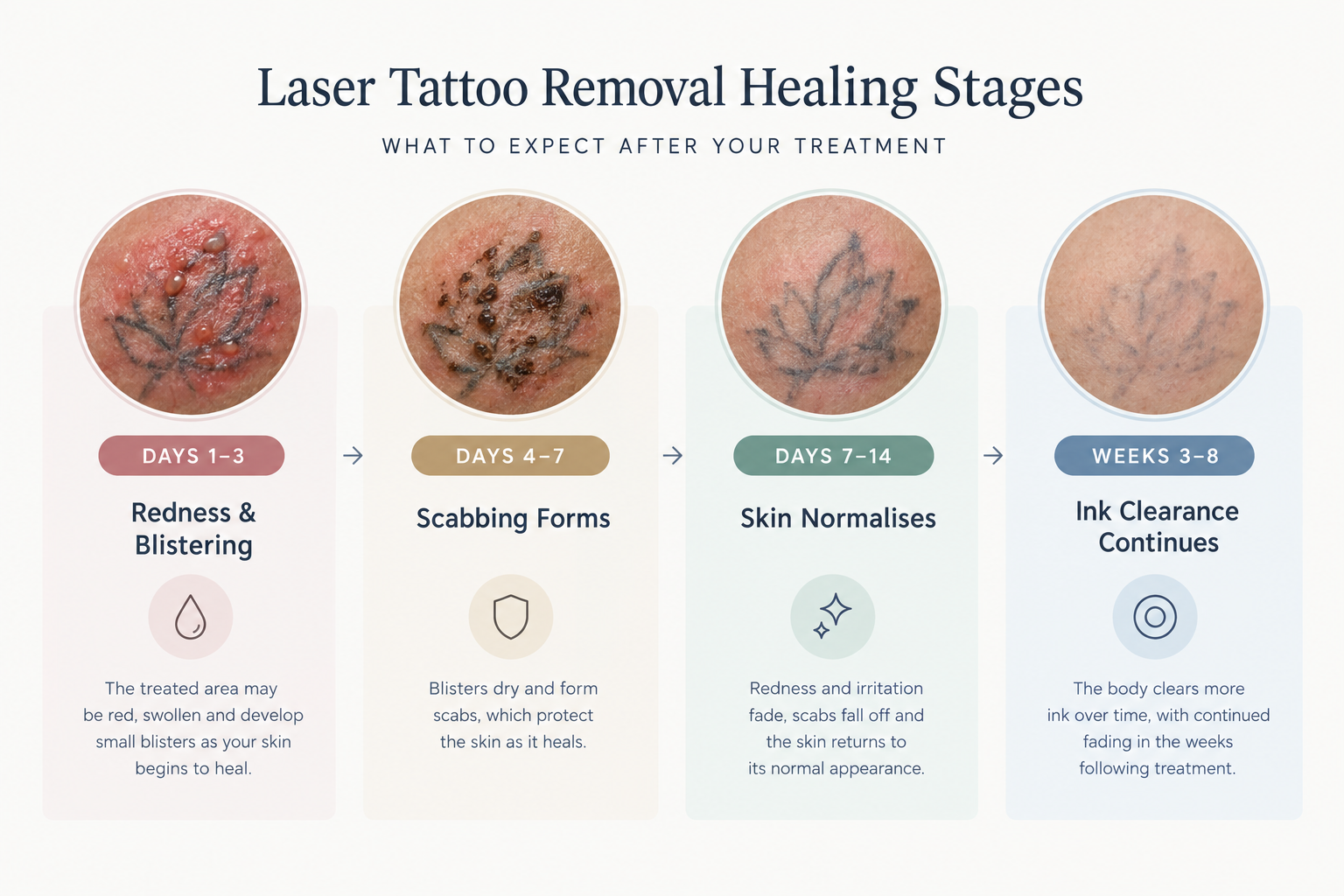
Redness, swelling, and tenderness are typically at their peak during the first 72 hours. Blisters may form or enlarge during this period. The skin may feel warm to the touch. Keeping the area clean, moisturised with a fragrance-free ointment or recommended aftercare product, and covered with a non-stick dressing helps protect the skin barrier during this vulnerable phase. Avoid submerging the treated area in water — showers are preferable to baths, and swimming should be avoided entirely.
Days 4 to 7
Blisters typically begin to flatten and dry out during this phase. A scab or crust may form over the treated area. It is important not to pick or forcibly remove scabs, as the underlying skin is still regenerating. Scabs that are removed prematurely can leave textural changes or hypopigmented marks. Continue applying a gentle, fragrance-free moisturiser and keep the area out of direct sunlight.
Days 7 to 14
Most scabbing resolves within the second week, and the skin surface begins to look more normal. Some patients notice that the tattoo appears lighter during this period as the initial inflammatory response fades and the first wave of ink clearance becomes visible. The skin may still feel slightly sensitive or appear pink. Sun protection remains essential, as newly healed skin is particularly prone to post-inflammatory hyperpigmentation when exposed to UV radiation.
Weeks 3 to 8
The deeper ink clearance process continues for several weeks after the surface has healed. The lymphatic system continues to process and remove fragmented ink particles during this period. This is why the tattoo may appear progressively lighter over the weeks between sessions, even though the skin looks fully healed. Most clinics recommend waiting a minimum of six to eight weeks between sessions to allow this clearance process to complete and to ensure the skin has fully recovered before the next treatment.
Essential Laser Tattoo Removal Aftercare Steps
The following aftercare measures are broadly recommended based on established wound care principles and the specific demands of laser-treated skin. Individual clinics may provide slightly different protocols, and patients should always follow the specific instructions given by their treating practitioner.
Keep the Area Clean
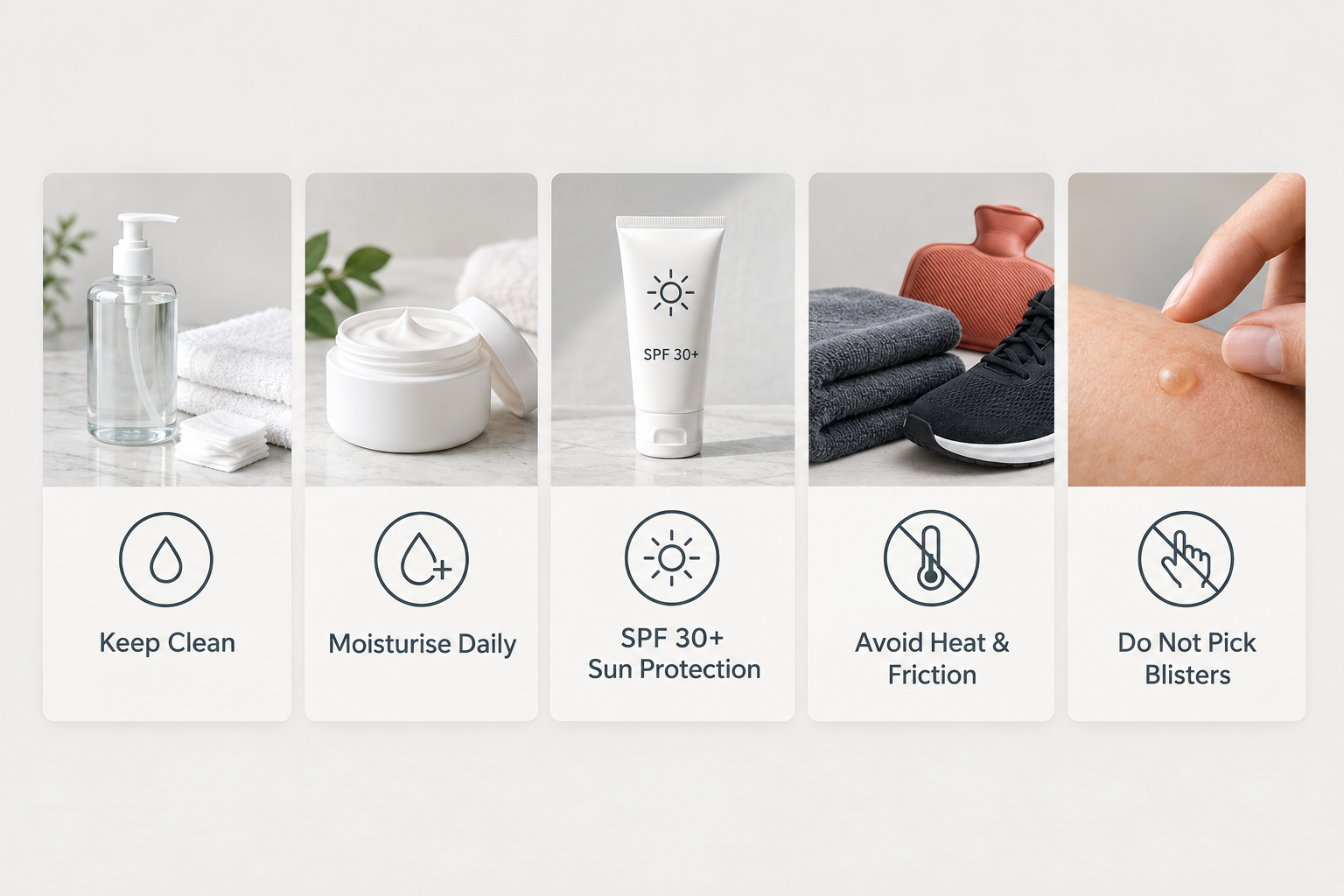
Gently cleanse the treated skin once or twice daily using lukewarm water and a mild, fragrance-free cleanser. Pat the area dry with a clean cloth or sterile gauze — do not rub. Avoid antibacterial soaps with harsh ingredients, as these can further disrupt the skin barrier. If a dressing has been applied at the clinic, follow the practitioner's instructions on when and how to change it.
Moisturise Consistently
Applying a thin layer of a fragrance-free, non-comedogenic moisturiser or a recommended healing ointment helps maintain the skin barrier and reduces the risk of the treated area drying out excessively. Dry, cracked skin is more susceptible to infection and may heal with more textural irregularity. Avoid products containing retinoids, alpha hydroxy acids, or active exfoliants on the treated area until it has fully healed.
Protect from Sun Exposure
UV exposure is one of the most clinically significant risks during the laser tattoo removal process. Sun exposure on recently treated skin can trigger post-inflammatory hyperpigmentation — a darkening of the skin that may be difficult to reverse and can complicate subsequent laser sessions. Patients with darker skin tones are at higher risk of this complication. Broad-spectrum SPF 30 or higher should be applied to the treated area once the skin surface has healed, and physical sun protection such as clothing or bandaging should be used during the acute healing phase when sunscreen cannot be applied directly to broken skin.
Avoid Heat and Friction
Hot baths, saunas, steam rooms, and vigorous exercise that causes significant sweating should be avoided for at least 48 to 72 hours after treatment. Heat increases blood flow to the area and can intensify swelling and discomfort. Friction from tight clothing over the treated area can also disrupt healing and should be avoided where possible. Loose, breathable clothing is preferable during the first week.
Do Not Pick, Scratch, or Burst Blisters
This is one of the most important aftercare instructions and one of the most commonly disregarded. Interfering with blisters or scabs introduces bacteria to the healing wound, significantly increases the risk of infection, and can cause permanent scarring or textural changes. If a blister bursts on its own, keep the area clean and covered with a sterile non-stick dressing until it heals.
Avoid Swimming and Submerging the Area
Swimming pools contain chlorine, which can irritate healing skin and increase infection risk. Open water swimming introduces bacterial and environmental contamination. Both should be avoided until the skin has fully healed, which is typically at least two weeks after treatment, though individual healing times vary.
Managing Common Side Effects
Most side effects after laser tattoo removal are expected and resolve without intervention. Knowing how to manage them appropriately reduces discomfort and supports healing.
Swelling and Redness
Applying a clean cold compress wrapped in a cloth for short intervals during the first 24 to 48 hours can help reduce swelling and discomfort. Over-the-counter paracetamol may be used for pain relief if needed. Non-steroidal anti-inflammatory drugs such as ibuprofen are sometimes used, but patients should check with their practitioner, as some clinicians prefer to avoid anti-inflammatory medications during the early healing phase to allow the natural inflammatory response to proceed.
Itching
Itching is common as the skin heals and scabs form. Scratching the area risks introducing infection and disrupting the healing tissue. A fragrance-free moisturiser applied gently can help relieve mild itching. If itching is severe or accompanied by spreading redness, warmth, or discharge, this should be assessed by a practitioner to rule out infection or an allergic reaction.
Hyperpigmentation and Hypopigmentation
Changes in skin pigmentation are among the more common longer-term side effects of laser tattoo removal. Post-inflammatory hyperpigmentation — darkening of the treated area — is more common in patients with medium to darker skin tones and is strongly associated with UV exposure during the healing period. Post-inflammatory hypopigmentation — lightening of the skin — can also occur and may be more persistent. Both conditions are generally more likely with aggressive treatment settings or inadequate aftercare. Consistent sun protection and allowing adequate healing time between sessions are the most effective preventive measures.
Scarring
Scarring is an uncommon but possible complication of laser tattoo removal. It is more likely when blisters or scabs are disrupted, when the skin becomes infected, or when treatment settings are not appropriately calibrated for the patient's skin type. Patients with a history of keloid scarring should discuss this with their practitioner before beginning treatment, as they may be at higher risk. Appropriate aftercare significantly reduces, though does not eliminate, the risk of scarring.
Signs That Require Professional Assessment
While most post-treatment responses are expected and manageable at home, certain signs indicate that professional assessment is needed. Patients should contact their clinic or a healthcare professional if they notice any of the following after a laser tattoo removal session.
- Increasing redness, warmth, or swelling beyond the first 48 hours, particularly if it is spreading beyond the treated area.
- Purulent discharge (pus) from the treated area or from a blister, which may indicate bacterial infection.
- Fever or systemic symptoms such as chills or malaise, which can accompany a more significant infection.
- Severe or worsening pain that is not responding to standard pain relief measures.
- Significant skin darkening or lightening that persists beyond the expected healing period.
- Any allergic reaction symptoms such as widespread hives, facial swelling, or difficulty breathing, which require emergency medical attention.
Factors That Affect Healing and Overall Removal Progress
Laser tattoo removal aftercare does not occur in isolation. Several individual and treatment-related factors influence how quickly the skin heals and how effectively the tattoo fades over the course of treatment.
Immune system health plays a meaningful role in ink clearance. The lymphatic system is responsible for removing fragmented ink particles after each session, so factors that support immune function — including adequate sleep, hydration, and avoiding smoking — may support the clearance process. Smoking in particular has been associated in some studies with slower tattoo fading, likely because it impairs circulation and immune function.
Skin tone affects both the choice of laser wavelength and the risk of pigmentation changes. Patients with darker skin tones require careful selection of laser parameters to minimise the risk of hypopigmentation or hyperpigmentation, and may need longer intervals between sessions. Tattoo ink colours also influence treatment complexity — black and dark blue inks respond most readily to common laser wavelengths, while green, yellow, and light blue inks may require specific wavelengths and additional sessions.
The age and depth of the tattoo matter as well. Older tattoos have often already undergone some natural fading and may respond more quickly to laser treatment. Amateur tattoos, which tend to have ink deposited at more superficial and uneven depths, often respond faster than professional tattoos with densely packed, deeply deposited ink.
The laser technology used also influences the healing experience. Picosecond lasers, which deliver energy in shorter pulses than traditional Q-switched nanosecond lasers, are associated with effective ink fragmentation and may cause slightly less thermal damage to surrounding tissue in some cases, though individual responses vary and both technologies are used clinically.
Lifestyle Considerations During the Removal Course
A full laser tattoo removal course typically involves multiple sessions spaced weeks apart. Maintaining consistent aftercare habits and certain lifestyle considerations throughout this period supports both healing and overall treatment progress.
Sun protection should be maintained not just during the acute healing phase but throughout the entire removal course. Even between sessions, UV exposure on the tattoo area can affect skin pigmentation and make subsequent laser treatment more complex. A broad-spectrum sunscreen with SPF 30 or higher, applied daily to the treated area, is a practical and important habit.
Staying well hydrated and maintaining general skin health supports the skin barrier between sessions. Patients using prescription retinoids or other active skincare ingredients on or near the tattoo area should discuss this with their practitioner, as some ingredients may need to be paused around treatment dates.
Alcohol consumption in the 24 hours before and after treatment is sometimes advised against, as alcohol can affect circulation and may increase bruising or swelling, though evidence on this specific point is limited. Patients should follow their clinic's specific pre- and post-treatment guidance.
Frequently Asked Questions
How long does skin take to heal after laser tattoo removal?
The surface of the skin typically heals within one to two weeks after each session, with scabs and blisters resolving during this period. However, the deeper process of ink clearance by the immune system continues for several weeks after the skin appears healed. Most clinics recommend a minimum of six to eight weeks between sessions to allow both surface healing and deeper ink clearance to occur.
Can I exercise after laser tattoo removal?
Light activity is generally acceptable, but vigorous exercise that causes significant sweating or friction over the treated area should be avoided for at least 48 to 72 hours after treatment. Sweat can irritate healing skin, and friction from clothing or equipment can disrupt the healing tissue. Once the skin has healed and any blisters or scabs have resolved, normal exercise can usually be resumed.
Is it normal for the tattoo to look darker after treatment?
Some patients notice that the tattoo appears darker or more raised in the days immediately following treatment. This can occur due to the inflammatory response and the way the skin reacts to laser energy. It does not necessarily mean the treatment has not worked. Progressive fading typically becomes more visible over the weeks following each session as the immune system clears fragmented ink particles.
What should I put on my skin after laser tattoo removal?
A fragrance-free, non-comedogenic moisturiser or a healing ointment recommended by your practitioner is appropriate for the treated area. Avoid products containing fragrances, alcohol, retinoids, or exfoliating acids on the healing skin. Once the skin has fully healed, a broad-spectrum sunscreen should be applied daily to the area.
Can I use makeup to cover the treated area?
Makeup should not be applied to broken, blistered, or scabbed skin, as it can introduce bacteria and impair healing. Once the skin surface has fully healed and there is no open skin, some patients use mineral-based makeup to cover residual redness or pigmentation changes. It is advisable to check with your practitioner before applying any cosmetic products to the treated area.
Why does my skin look white immediately after the laser?
The white frosting seen immediately after laser pulses is caused by the rapid formation of carbon dioxide gas within the skin as the laser energy is absorbed. This is a normal and expected response that typically resolves within 20 to 30 minutes of treatment. It is not a sign of skin damage or a complication.
Does aftercare affect how many sessions I will need?
Aftercare does not directly reduce the number of sessions required, which is primarily determined by factors such as ink colour, tattoo density, skin tone, and the laser technology used. However, poor aftercare can delay sessions by prolonging healing time, increase the risk of complications that may affect subsequent treatments, and potentially affect the overall outcome. Consistent aftercare supports the best possible result from each session.
Making the Most of Your Laser Tattoo Removal Treatment
Laser tattoo removal is a gradual process that requires patience, consistency, and attentive skin care between sessions. The laser treatment itself initiates ink fragmentation, but the skin's healing response and the immune system's clearance of ink particles are what produce the visible fading over time. Aftercare directly supports both of these processes.
The most important aftercare principles — keeping the area clean, moisturised, and protected from sun exposure, and avoiding any interference with blisters or scabs — are straightforward but require consistent application across every session in the removal course. Patients who maintain these habits and attend sessions at appropriate intervals are generally better positioned to achieve their desired outcome with fewer complications.
If you are considering laser tattoo removal or are already partway through a course of treatment, discussing your aftercare routine and any concerns with your treating practitioner is always worthwhile. Individual skin responses vary, and a qualified practitioner can tailor aftercare guidance to your specific skin type, the tattoo being treated, and the laser technology being used.
