
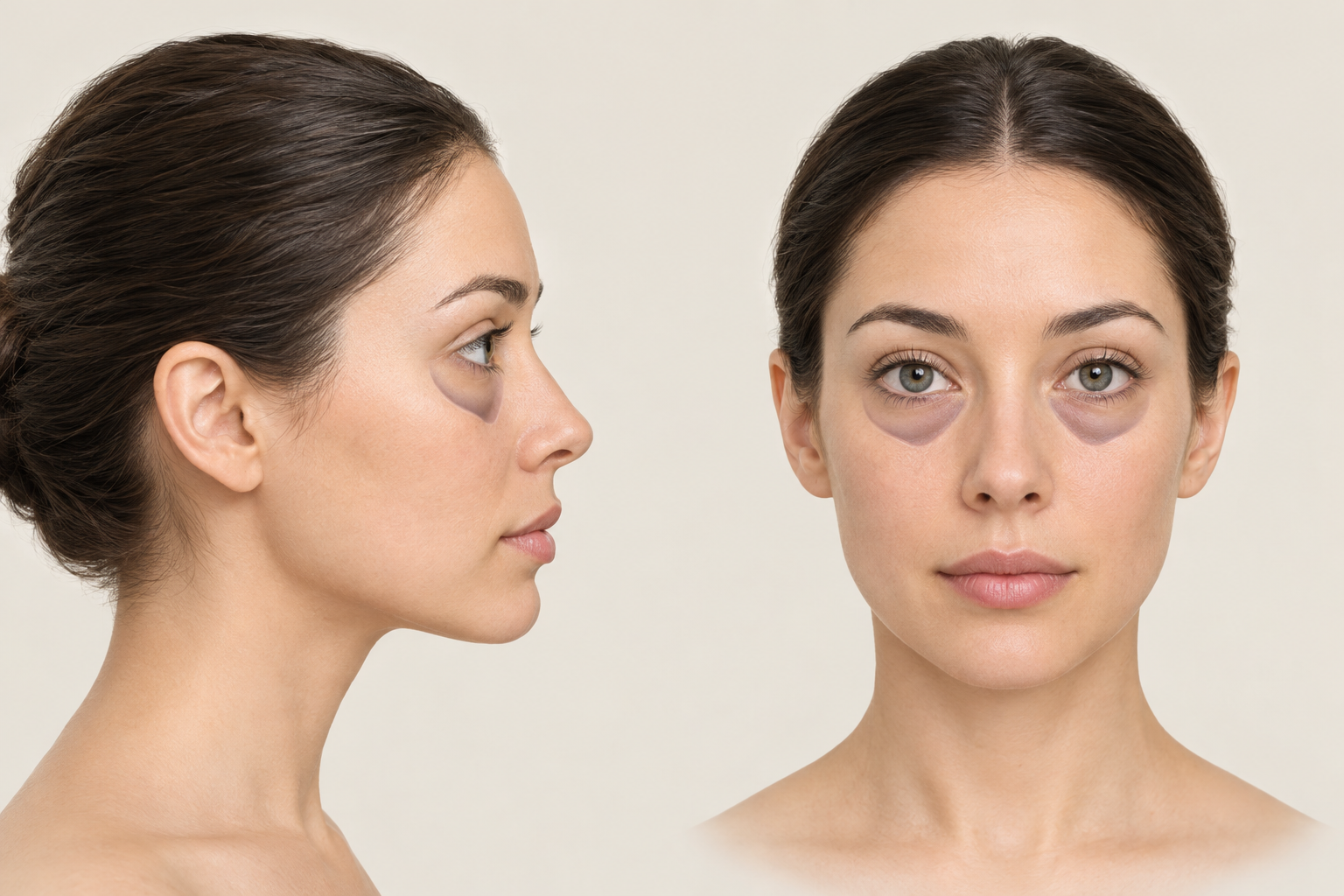

Tear trough filler is one of the more technically demanding injectable treatments available, and its cost reflects that complexity. Prices vary considerably depending on where you are treated, who performs the procedure, which filler product is used, and how much volume is required. Understanding what drives the price can help you evaluate quotes more accurately and avoid making decisions based on cost alone in an area where precision and safety matter greatly.
Key Takeaways
- Tear trough filler cost in the UK typically ranges from around £300 to over £800 per session, depending on multiple clinical and commercial factors.
- The under-eye area is considered a high-risk injection zone, so practitioner experience and qualifications should carry significant weight in your decision.
- The type and volume of hyaluronic acid filler used directly affects the overall price, and not all fillers are equally suited to this delicate area.
- Results generally last between nine and eighteen months, though individual variation is common and maintenance treatments are usually required.
- A thorough consultation is essential before treatment, as tear trough filler is not suitable for every type of under-eye concern.
What Is Tear Trough Filler?
The tear trough is the groove that runs from the inner corner of the eye downward along the cheek, creating a shadowed or hollowed appearance beneath the eye. This hollow can make a person look tired, older, or drawn, even when well-rested. Tear trough filler treatment involves injecting a small amount of dermal filler, most commonly a hyaluronic acid-based product, into or around this groove to restore volume, reduce shadowing, and soften the transition between the lower eyelid and the cheek.
Hyaluronic acid is a naturally occurring substance in the body that attracts and retains water, making it well suited to adding subtle volume in areas where tissue has thinned. Because the skin beneath the eye is among the thinnest on the face, the choice of filler product and injection technique is particularly important. Thinner, more hydrophilic formulations are generally preferred in this area to reduce the risk of visible lumps or the Tyndall effect, a bluish discolouration that can occur when certain fillers are placed too superficially.
Why Tear Trough Filler Costs More Than Other Filler Treatments
Tear trough filler is consistently priced higher than many other facial filler treatments, and there are sound clinical reasons for this. The periorbital area, meaning the region around the eyes, is considered one of the highest-risk zones for injectable treatments. Proximity to important blood vessels, the thinness of the overlying skin, and the limited margin for error all demand a higher level of anatomical knowledge and injection skill than, for example, lip or cheek filler.
Complications in this area, while uncommon when treatment is performed by an experienced practitioner, can be more serious than in other facial zones. Vascular occlusion, where filler inadvertently enters or compresses a blood vessel, is a rare but recognised risk that requires immediate management. Practitioners working in this area should carry hyaluronidase, an enzyme that can dissolve hyaluronic acid filler, as part of their emergency protocol. This level of clinical preparedness, combined with the skill required, justifiably commands a higher fee.
Factors That Affect Tear Trough Filler Cost
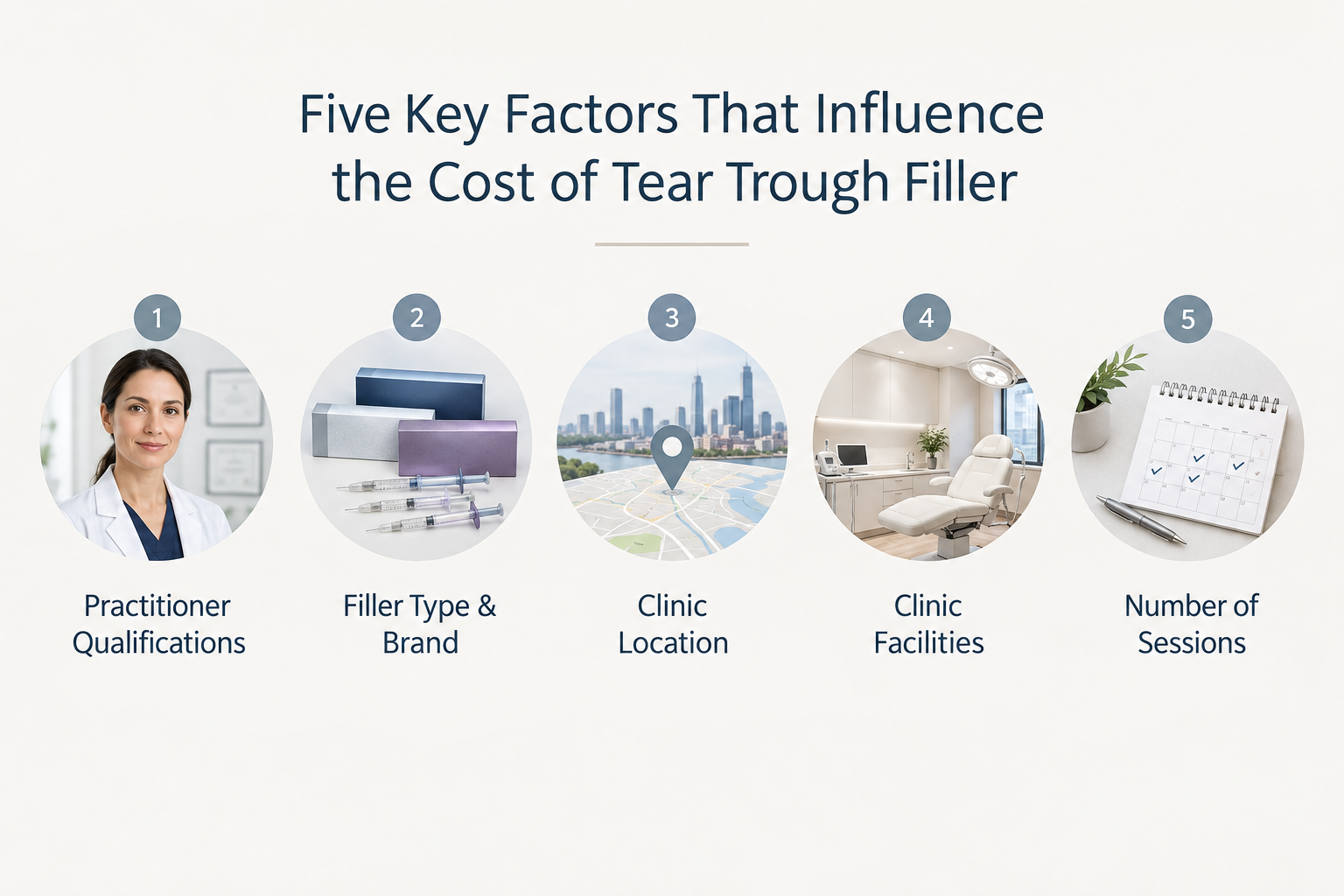
Several distinct factors influence how much you will pay for tear trough filler treatment. Considering each one separately helps explain why two clinics in the same city might quote very different prices for what appears to be the same procedure.
Practitioner Qualifications and Experience
The single most significant cost variable is the practitioner performing the treatment. Medical professionals such as doctors, dentists, and nurses with specialist aesthetic training typically charge more than non-medically qualified practitioners. In the UK, the regulatory landscape for aesthetic injectables has been evolving, with increasing emphasis on the importance of medical oversight. Choosing a practitioner with relevant qualifications, appropriate insurance, and demonstrable experience in periorbital treatments is a meaningful safety consideration, not simply a premium for a brand name.
Practitioners with a strong reputation, advanced training in facial anatomy, or specialist expertise in complex cases will generally charge at the higher end of the price range. This premium reflects reduced risk and a more refined outcome, particularly in a treatment area where subtle technique differences have a visible impact on results.
Type and Brand of Filler Used
Not all hyaluronic acid fillers are the same. Different products have different rheological properties, meaning they vary in thickness, elasticity, and how they integrate with surrounding tissue. For the tear trough area, practitioners typically select softer, lower-viscosity formulations that spread evenly and remain undetectable beneath thin skin. Products commonly used in this area include Restylane, Juvederm Volbella, Teosyal Redensity II, and Belotero Balance, among others. Each carries a different wholesale cost, which is reflected in the treatment price.
The volume of filler required also affects cost. Most tear trough treatments use between 0.5 ml and 1 ml of product across both sides, though this varies with individual anatomy. Some patients with significant volume loss may require slightly more, while others need only a conservative amount. Clinics that charge per syringe rather than per treatment area may price differently depending on how much product is used.
Clinic Location
Geographic location has a consistent and predictable effect on aesthetic treatment pricing. Clinics in central London, for example, typically charge more than those in smaller cities or rural areas, reflecting higher overheads including rent, staffing, and operational costs. This does not automatically mean that a higher-priced London clinic delivers better results, nor that a more affordable regional clinic is lower quality. However, location-based price differences are real and should be factored into your comparison.
Clinic Setting and Facilities
The clinical environment also contributes to pricing. A purpose-built medical aesthetic clinic with a full consultation process, clinical photography, emergency protocols, and follow-up appointments will generally charge more than a mobile practitioner or a beauty salon offering injectable treatments. The additional cost of a well-equipped clinical setting reflects genuine patient safety infrastructure, which is particularly relevant for a procedure in a sensitive anatomical area.
Consultation Fees
Some clinics charge a separate consultation fee, which may or may not be deducted from the treatment cost if you proceed. Others offer free consultations as part of their service model. A thorough consultation for tear trough filler should include an assessment of your under-eye anatomy, skin quality, the underlying cause of your concern, and a discussion of whether filler is the most appropriate option for you. Clinics that invest time in this process are providing a clinical service, not simply a sales appointment.
Number of Sessions and Maintenance
Tear trough filler is not a permanent treatment. Hyaluronic acid fillers are gradually broken down by the body over time, and most patients find that results last between nine and eighteen months, depending on the product used, the volume placed, individual metabolism, and lifestyle factors. Maintenance treatments are therefore a recurring cost to factor into your overall budget. Some practitioners recommend a review appointment two to four weeks after the initial treatment to assess the result and make minor adjustments if needed, which may or may not be included in the initial price.
Typical Price Ranges for Tear Trough Filler in the UK
As a general guide, tear trough filler treatment in the UK tends to fall within the following ranges, though prices outside these bands are not uncommon:
- Budget end of the market: approximately £300–£400. At this price point, it is worth carefully verifying practitioner qualifications, the filler product being used, and what aftercare is included.
- Mid-range: approximately £400–£600. This range covers many experienced aesthetic practitioners and well-established clinics outside central London.
- Premium end: approximately £600–£900 or above. This typically reflects highly experienced medical practitioners, specialist clinics, premium filler products, and comprehensive consultation and aftercare.
These figures are indicative and subject to change. Always request a detailed breakdown of what is included in a quoted price before committing to treatment.
What the Consultation Should Cover
A responsible consultation for tear trough filler should go beyond simply agreeing on a price and booking a date. The practitioner should assess the specific cause of your under-eye concern, because tear trough hollowing is not the only reason the area beneath the eye can look shadowed or tired. Pigmentation, visible blood vessels, puffiness from fat pad prolapse, skin laxity, and dehydration can all contribute to a similar appearance, and filler is not the appropriate solution for all of these.
During the consultation, the practitioner should also review your medical history, including any blood-thinning medications, previous filler treatments in the area, a history of cold sores, autoimmune conditions, or any other factors that might affect suitability or increase risk. Tear trough filler is generally not recommended during pregnancy or breastfeeding, and caution is warranted in patients with certain eye conditions or a history of significant swelling in the periorbital area.
Risks and Limitations to Understand Before Committing
Understanding the potential risks of tear trough filler is an important part of evaluating whether the cost represents reasonable value for your individual situation. Common side effects include bruising, swelling, and temporary tenderness at the injection site. These typically resolve within one to two weeks. Because the under-eye area has a rich blood supply and thin overlying skin, bruising can be more pronounced here than in other treatment areas.
Less common but more significant risks include the Tyndall effect, where filler placed too superficially creates a visible bluish tint beneath the skin. Irregular distribution of filler can also cause visible lumps or asymmetry. Both of these complications can usually be corrected with hyaluronidase if the filler used is hyaluronic acid-based, which is one reason why HA fillers are strongly preferred in this area over non-reversible alternatives.
Vascular complications, including occlusion of a blood vessel, are rare but represent the most serious risk associated with any facial filler treatment. In the periorbital region, this risk is heightened due to the proximity of vessels supplying the eye. Choosing a practitioner who understands the relevant anatomy and carries appropriate emergency medication is therefore not a luxury but a genuine safety requirement.
It is also worth noting that tear trough filler does not address all under-eye concerns. Patients with significant fat pad prolapse, causing visible puffiness rather than hollowing, may not benefit from filler and could in some cases find that additional volume worsens the appearance. Similarly, patients with very thin or crepey skin may see limited improvement or may be better served by alternative treatments.
Alternatives to Tear Trough Filler
Tear trough filler is not the only option for improving the appearance of the under-eye area, and for some patients it may not be the most appropriate one. Understanding the alternatives can help you have a more informed conversation with your practitioner and make a better-matched decision.
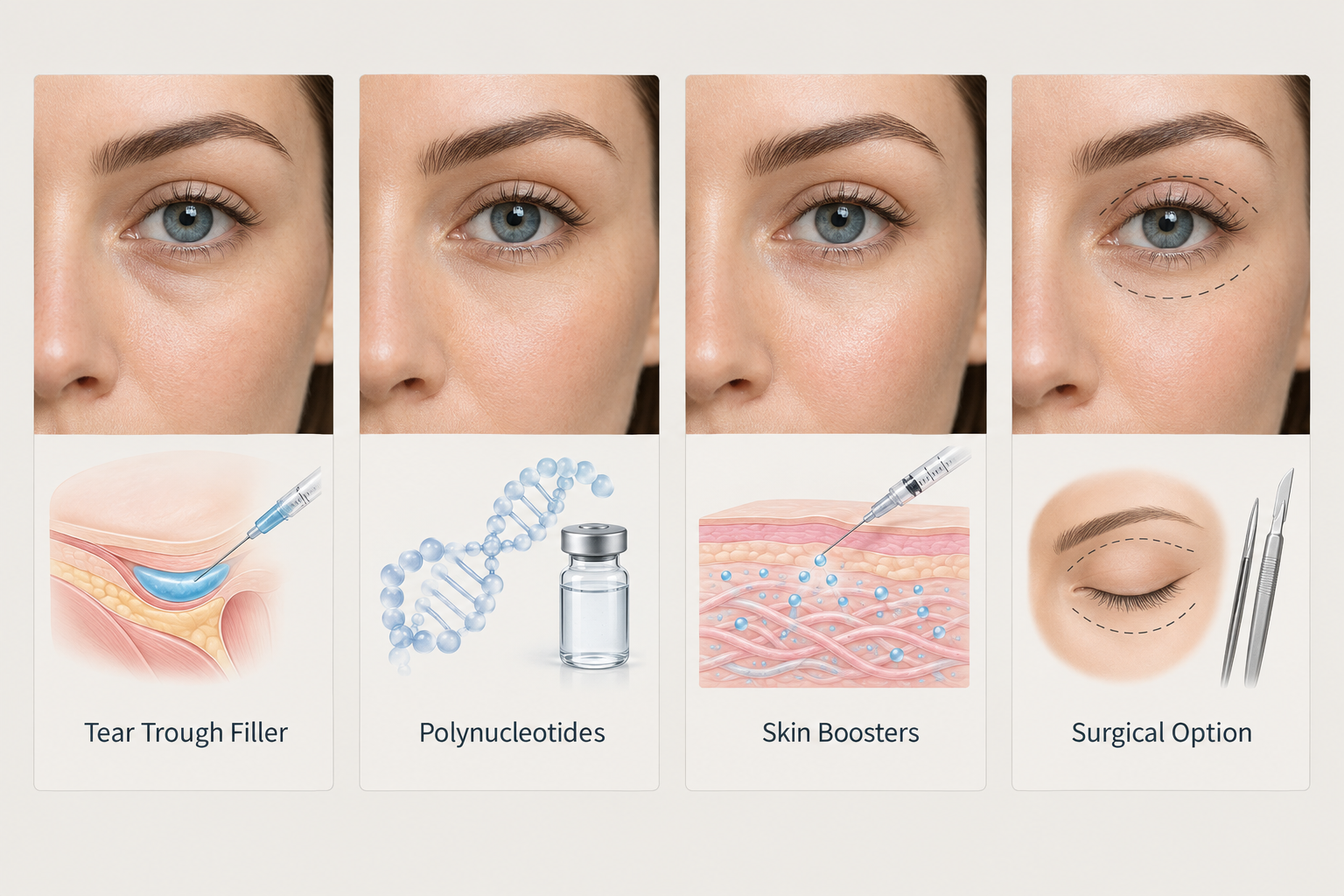
Polynucleotides (also known as PDRN or PN injections) are an emerging treatment that uses purified DNA fragments to stimulate collagen production and improve skin quality in the under-eye area. Rather than adding volume, polynucleotides work by improving the texture, hydration, and overall condition of the skin. They may be particularly useful for patients whose primary concern is skin quality rather than hollowness, and they can sometimes be used alongside filler for a combined approach.
Profhilo and skin boosters are injectable hydration treatments that can improve skin quality and fine lines in the periorbital area, though they do not add structural volume in the same way as tear trough filler.
Radiofrequency and laser treatments may help with skin laxity and mild pigmentation around the eyes, though they do not address volume loss.
Surgical options such as lower blepharoplasty, a procedure to remove or reposition fat and tighten skin around the lower eyelid, may be more appropriate for patients with significant fat pad prolapse, excess skin, or concerns that are beyond the scope of non-surgical treatment. A surgical consultation with an oculoplastic or plastic surgeon would be required to assess suitability.
Questions to Ask Before Booking Tear Trough Filler
- What are your qualifications and how much experience do you have specifically with tear trough treatments?
- Which filler product do you use in this area and why?
- Do you carry hyaluronidase and are you trained to manage vascular complications?
- What does the quoted price include, and are follow-up appointments or adjustments covered?
- Based on my anatomy, am I a suitable candidate for tear trough filler?
- What results can I realistically expect, and what are the limitations in my case?
- What aftercare will I need, and what should I do if I experience a problem after treatment?
Frequently Asked Questions
Is cheaper tear trough filler safe?
A lower price does not automatically mean unsafe treatment, but it does warrant closer scrutiny. The tear trough area carries a higher risk profile than many other injection sites, so verifying practitioner qualifications, the filler product being used, and the clinical setting is particularly important when comparing quotes. Choosing a practitioner primarily on price in this area carries meaningful risk.
How long does tear trough filler last?
Most patients find that results from hyaluronic acid tear trough filler last between nine and eighteen months. Individual variation is significant and depends on the product used, the volume placed, individual metabolism, and lifestyle factors such as sun exposure and smoking. Maintenance treatments are typically required to sustain the result.
Does tear trough filler hurt?
Most practitioners apply a topical anaesthetic cream before treatment to reduce discomfort. Many filler products also contain lidocaine, a local anaesthetic, within the formulation. Patients commonly describe the sensation as mild pressure or a brief sharp feeling rather than significant pain, though individual sensitivity varies. Some bruising and tenderness after treatment is common.
Can tear trough filler be dissolved if I am unhappy with the result?
Hyaluronic acid fillers can be dissolved using hyaluronidase, an enzyme that breaks down hyaluronic acid. This is one of the key reasons why HA-based fillers are strongly preferred in the tear trough area over permanent or semi-permanent alternatives. Dissolution is not always immediate and may require more than one session, but it provides an important safety option if the result is unsatisfactory or a complication occurs.
Will I need more than one syringe?
Most tear trough treatments use between 0.5 ml and 1 ml of filler across both sides. Whether one syringe is sufficient depends on the degree of hollowing, your anatomy, and the practitioner’s assessment. Some patients with more significant volume loss may require slightly more product, while others achieve a good result with a conservative amount. Your practitioner should discuss this during the consultation.
Is tear trough filler suitable for everyone?
Tear trough filler is not suitable for all patients or all types of under-eye concern. Patients with significant fat pad prolapse, very thin skin, certain eye conditions, or concerns primarily related to pigmentation rather than hollowing may not be good candidates. A thorough clinical assessment is necessary to determine whether filler is the most appropriate option for your specific anatomy and goals.
Making an Informed Decision About Tear Trough Filler Cost
Tear trough filler sits at the intersection of aesthetic medicine and patient safety in a way that makes cost a genuinely complex consideration. The price you pay reflects not just the product injected but the clinical skill, anatomical knowledge, emergency preparedness, and aftercare infrastructure that surrounds it. In an area as technically demanding and anatomically sensitive as the periorbital region, these factors carry real weight.
Comparing quotes across clinics is reasonable and sensible, but the comparison should extend beyond the headline figure. Understanding what filler product is being used, who is performing the treatment, what qualifications they hold, and what aftercare is included gives you a much more complete picture of the value being offered. A treatment that costs less but is performed by a less experienced practitioner in a less well-equipped setting may carry a higher overall risk, and the cost of managing a complication, financially and physically, can far exceed any initial saving.
If you are considering tear trough filler, a consultation with a qualified and experienced practitioner is the most useful first step. A good consultation will clarify whether filler is the right approach for your specific concern, what realistic results look like in your case, and what the total cost of treatment and maintenance is likely to be over time. That information, rather than a single price comparison, is the most reliable basis for a well-informed decision.
