
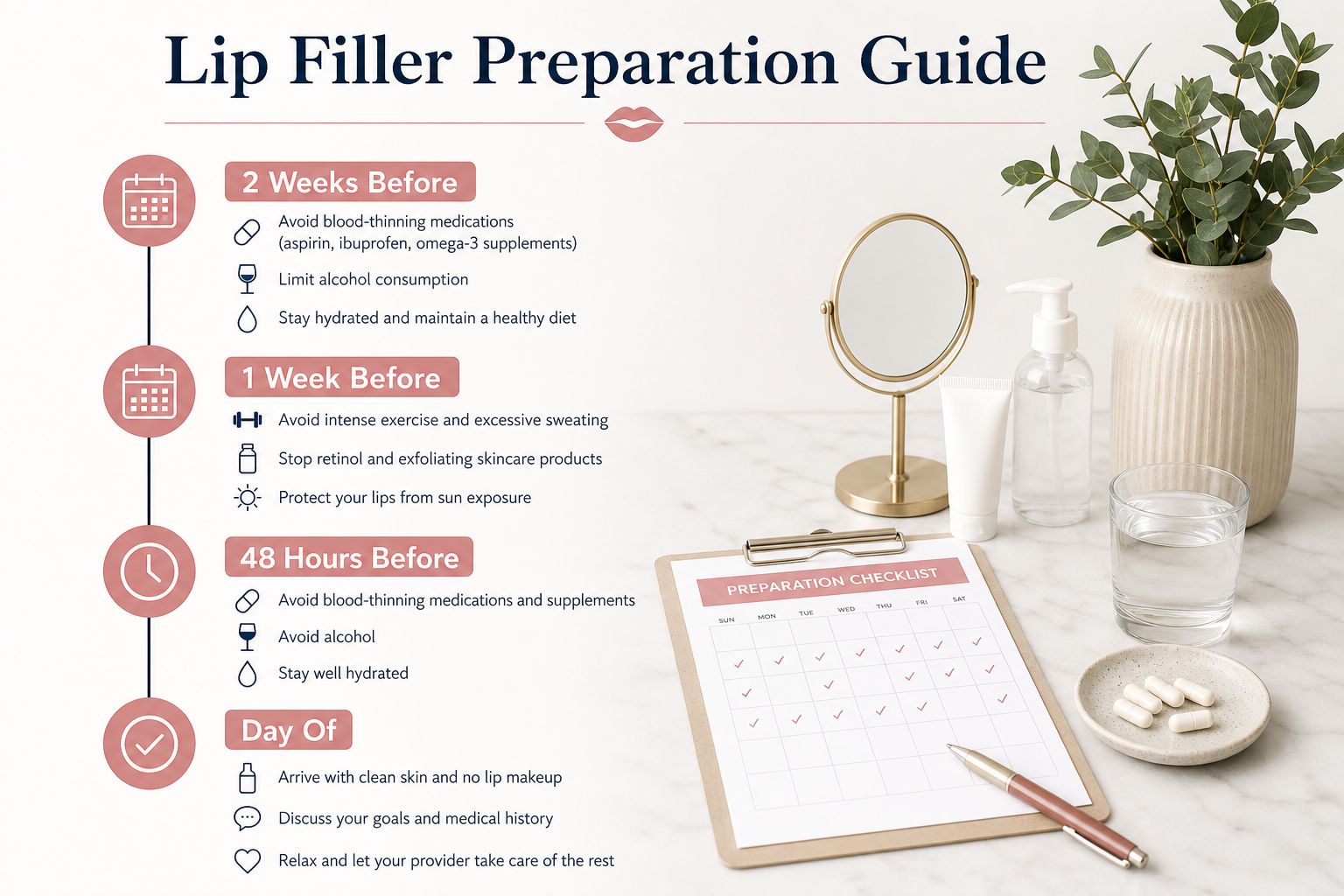

Knowing what to do before lip fillers can make a meaningful difference to your comfort, your results, and your recovery. A small amount of preparation in the days leading up to your appointment can help reduce bruising and swelling, lower the risk of complications, and ensure your injector has everything they need to treat you safely. This guide covers the full preparation timeline — from two weeks out to the morning of your appointment — along with the medication and supplement rules, skincare adjustments, lifestyle factors, and the questions worth asking before you commit.
Key Takeaways
- Stop blood-thinning medications and supplements — including NSAIDs, fish oil and omega-3 supplements, vitamin E, and alcohol — at least 48 to 72 hours before your appointment, or as directed by your prescribing doctor.
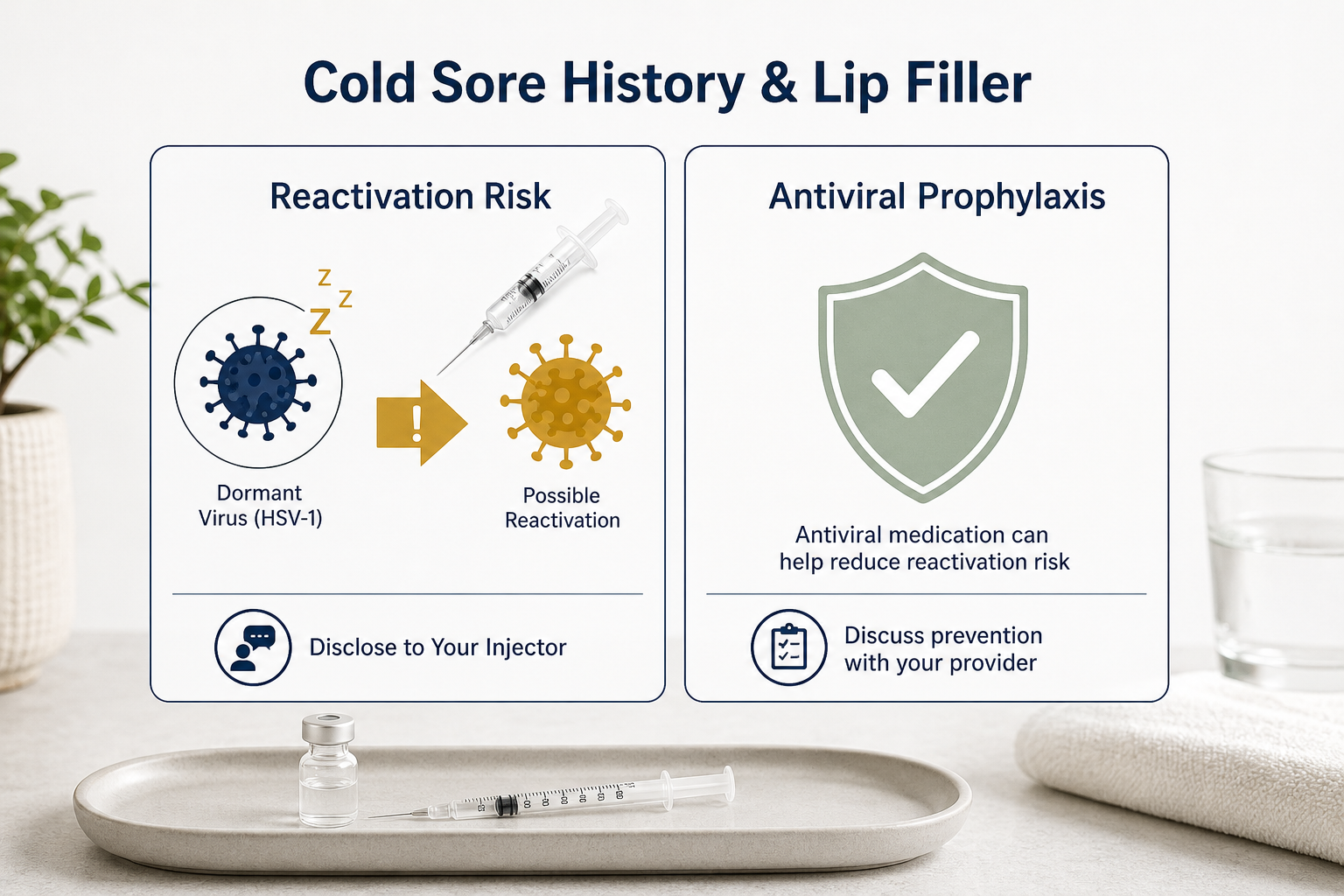
- If you have a history of cold sores (HSV-1), tell your injector in advance so that antiviral prophylaxis can be arranged before treatment.
- Pause retinoids and exfoliating acids on the lips and surrounding skin for at least 48 hours before your appointment to reduce sensitivity and irritation risk.
- Arrive with a clean, makeup-free face, eat a light meal beforehand, and stay well hydrated on the day.
- Schedule your lip filler appointment at least two weeks before any major events such as weddings or photo shoots, as initial swelling and bruising can take up to two weeks to fully resolve.
Why Preparation Matters for Lip Filler Treatment
Lip filler treatment involves injecting a hyaluronic acid filler into and around the lips using a fine needle or cannula. Hyaluronic acid is a naturally occurring substance in the body, and the fillers used in aesthetic practice are biocompatible and reversible using an enzyme called hyaluronidase. Despite this favourable safety profile, the lips are a highly vascular area — meaning they have a rich blood supply — which makes bruising and swelling among the most common side effects. Preparation does not eliminate these responses entirely, but it can reduce their severity and duration.
Good preparation also gives your injector the information they need to treat you safely. Disclosing your full medication list, supplement use, medical history, and any previous filler is not a formality — it directly affects how your treatment is planned and whether it should proceed on a given day. Arriving prepared also means your injector can focus on technique and results rather than resolving avoidable issues at the appointment.
Two Weeks Before: Medications, Supplements, and Scheduling
The two-week window before your lip filler appointment is the right time to review your medications and supplements with your injector or prescribing doctor, and to think carefully about your schedule.
Blood-Thinning Medications and Supplements
Blood-thinning medications and supplements increase the risk of bruising by impairing the blood’s ability to clot at injection sites. If you take prescription anticoagulants such as warfarin, rivaroxaban, or apixaban, do not stop or adjust these without speaking to the doctor who prescribed them — your injector will advise on whether treatment can safely proceed. For over-the-counter options, aspirin, ibuprofen, naproxen, and other NSAIDs (including Advil, Aleve, and Motrin) should ideally be avoided for at least one week before your appointment if medically appropriate. If you need pain relief during this period, paracetamol (acetaminophen) is generally considered a safer alternative, though you should confirm this with your provider.
Several common supplements also have blood-thinning properties and are worth pausing approximately one to two weeks before treatment. These include fish oil and omega-3 supplements, vitamin E, ginkgo biloba, garlic supplements, ginseng, St. John’s Wort, turmeric or curcumin, and evening primrose oil. The evidence for each varies in strength, but the precaution is widely recommended in aesthetic practice because the downside of a bruise is cosmetically significant in the lip area. Always inform your injector of everything you are taking so they can advise appropriately.
Scheduling Away from Dental Work and Other Procedures
Dental work timing matters more than many patients realise. Dental procedures — including routine cleaning, fillings, and extractions — can introduce oral bacteria into the bloodstream. If lip filler is present in the tissue at the time, there is a theoretical risk that bacteria could travel to the injection site and cause infection. For this reason, most practitioners recommend avoiding dental procedures for at least two weeks before and two weeks after lip filler treatment. If dental work is unavoidable, discuss the timing with both your dentist and your injector.
Similarly, avoid chemical peels, microneedling, laser treatments, and waxing or threading of the upper lip area in the two weeks before your appointment. These treatments can compromise the skin barrier, increase local inflammation, or introduce bacteria — all of which raise the risk of complications when combined with injectable treatment. Vaccines should also be spaced away from filler appointments where possible, as immune activation can occasionally trigger inflammatory responses around filler.
Scheduling Around Major Events and Your Menstrual Cycle
It is important to schedule away from major events such as weddings, photo shoots, or important social occasions. Even with good preparation, bruising and swelling after lip filler can take up to ten to fourteen days to fully resolve. Planning your appointment at least two weeks before any significant event gives your results time to settle and any initial side effects time to subside.
One underused scheduling consideration is the menstrual cycle. Some patients report increased sensitivity to pain and a greater tendency to bruise and swell in the days immediately before and during menstruation, likely due to hormonal fluctuations affecting vascular tone and pain thresholds. If you notice this pattern, scheduling your appointment in the middle of your cycle — roughly days ten to fourteen — may improve your comfort and reduce post-treatment swelling, though individual responses vary.
One Week Before: Lifestyle Adjustments
Alcohol and Caffeine
Alcohol is a vasodilator — it causes blood vessels to widen — which increases blood flow to the skin and raises the likelihood of bruising at injection sites. Most practitioners recommend avoiding alcohol for at least 24 to 48 hours before your lip filler appointment, though stopping three to five days before is a more conservative and effective approach. High caffeine intake can have a similar, milder effect on blood vessel tone and may also contribute to post-treatment swelling. Reducing caffeine in the days before treatment is a sensible precaution, particularly if you are sensitive to it.
Smoking and Nicotine
Smoking and nicotine use impair circulation and slow tissue healing. Nicotine causes vasoconstriction — narrowing of blood vessels — which can reduce oxygen delivery to healing tissue and increase the risk of complications. If you smoke, reducing or pausing smoking in the days before and after your appointment may support better healing, though the benefits of stopping for a short period are modest compared to longer-term cessation. Discuss this with your injector if relevant.
Salt Intake and Hydration
High salt intake encourages the body to retain fluid, which can worsen post-treatment swelling. Reducing salty and processed foods in the week before your appointment is a practical step. Conversely, staying well hydrated by drinking adequate water supports healthy tissue and may help hyaluronic acid filler integrate more smoothly, since hyaluronic acid is hydrophilic — it attracts and binds water. Good hydration in the days leading up to treatment is consistently recommended by practitioners.
48 Hours Before: Skincare and Final Preparations
Pause Retinoids and Exfoliating Acids
Retinoids and exfoliating acids — including retinol, tretinoin (Retin-A), glycolic acid, AHAs, BHAs, and salicylic acid — can thin and sensitise the skin barrier when used regularly. Applying these actives to the lip area or surrounding skin in the 48 hours before treatment increases the risk of irritation, skin sensitivity, and potentially a compromised barrier at the injection site. Pause these products for at least 48 hours before your appointment. If you use prescription-strength retinoids such as tretinoin, your injector may recommend pausing for longer — up to one week — particularly if you apply them close to the lip border.
Arnica Montana: What the Evidence Actually Shows
Arnica montana is a plant-derived remedy commonly recommended before and after injectable treatments to help reduce bruising and swelling. It is available as homeopathic tablets, oral herbal preparations, and topical creams. Most pages recommend arnica without distinguishing between these forms, but the distinction matters. Homeopathic arnica tablets contain extremely dilute concentrations of the active compound and have limited clinical evidence supporting their effectiveness. Concentrated herbal arnica preparations contain coumarins, which have mild anticoagulant properties — meaning they could theoretically increase bruising risk if taken in high doses. Topical arnica cream applied to intact skin around the treatment area after injection is the form most commonly used in clinical settings. If you plan to use arnica, discuss the specific product and dose with your injector before starting.
Bromelain, an enzyme derived from pineapple, is another natural remedy sometimes suggested to reduce bruising and swelling. Some practitioners recommend bromelain supplements starting a few days before treatment, though the clinical evidence in the context of aesthetic injectables is limited. Eating fresh pineapple provides a small amount of bromelain but is unlikely to have a meaningful effect on bruising at the doses consumed through food alone.
Cold Sore History and HSV-1 Disclosure
If you have a history of cold sores caused by herpes simplex virus (HSV-1), you must disclose this to your injector before your lip filler appointment. Needle trauma to the lip area can reactivate the dormant HSV-1 virus, triggering a cold sore outbreak — sometimes a severe one — even if you have not had a visible cold sore in years. The standard approach is antiviral prophylaxis: a short course of antiviral medication such as valacyclovir (Valtrex) or acyclovir, typically started one to two days before treatment and continued for a few days afterwards. Your injector or GP can prescribe this. Treatment should not proceed if you have an active cold sore outbreak at the time of your appointment, as this significantly increases the risk of spreading the virus.
Day of Your Lip Filler Appointment
Arrive with a Clean, Makeup-Free Face
Arrive with a clean, makeup-free face on the day of your appointment. Lip products — including lipstick, lip liner, lip balm, and gloss — should be removed before treatment. Makeup and skincare products on the skin surface can introduce bacteria into injection sites, increasing infection risk. Your clinic may cleanse the area before treatment, but arriving without products already applied is the safest approach and saves time.
Eat a Light Meal and Stay Hydrated
Eat a light meal before your appointment rather than arriving on an empty stomach. Low blood sugar can cause lightheadedness, nausea, or fainting during or after injectable treatment — a response sometimes called a vasovagal reaction — which is more likely if you have not eaten. A small, balanced meal one to two hours before your appointment is sufficient. Continue drinking water throughout the day to stay hydrated.
Topical Numbing Cream and Comfort
Most lip filler products contain lidocaine, a local anaesthetic, within the formulation, which helps reduce discomfort as the injection progresses. Many clinics also apply a topical numbing cream to the lip area 20 to 30 minutes before treatment to further improve comfort. If your clinic offers this, it will typically be applied when you arrive. You do not usually need to apply topical anaesthetic at home beforehand unless specifically instructed to do so.
Wear Comfortable Clothing and Plan Your Day
Wear comfortable clothing that does not need to be pulled over your head, as this can disturb the treated area immediately after your appointment. Avoid strenuous exercise for at least 24 hours after treatment, as elevated heart rate and blood pressure can worsen swelling and bruising. Plan a quiet day after your appointment where possible, and avoid heat exposure — including saunas, steam rooms, and hot baths — for 24 to 48 hours post-treatment.
Choosing a Qualified Injector and What to Ask at Your Consultation
Preparation for lip filler treatment begins with choosing a qualified, board-certified injector with demonstrable training in facial anatomy and injectable techniques. Reviewing before-and-after photos from the specific injector — not generic clinic images — gives you a realistic sense of their aesthetic approach and technical skill. Look for natural-looking results that suit a range of face shapes and lip proportions rather than a single exaggerated style.
At your lip filler consultation, ask whether the clinic keeps hyaluronidase on hand. Hyaluronidase is the enzyme used to dissolve hyaluronic acid filler if a complication occurs or if you are unhappy with the result. A responsible injector will always have hyaluronidase available and will know how to use it. This is a meaningful safety checkpoint that most preparation guides overlook.
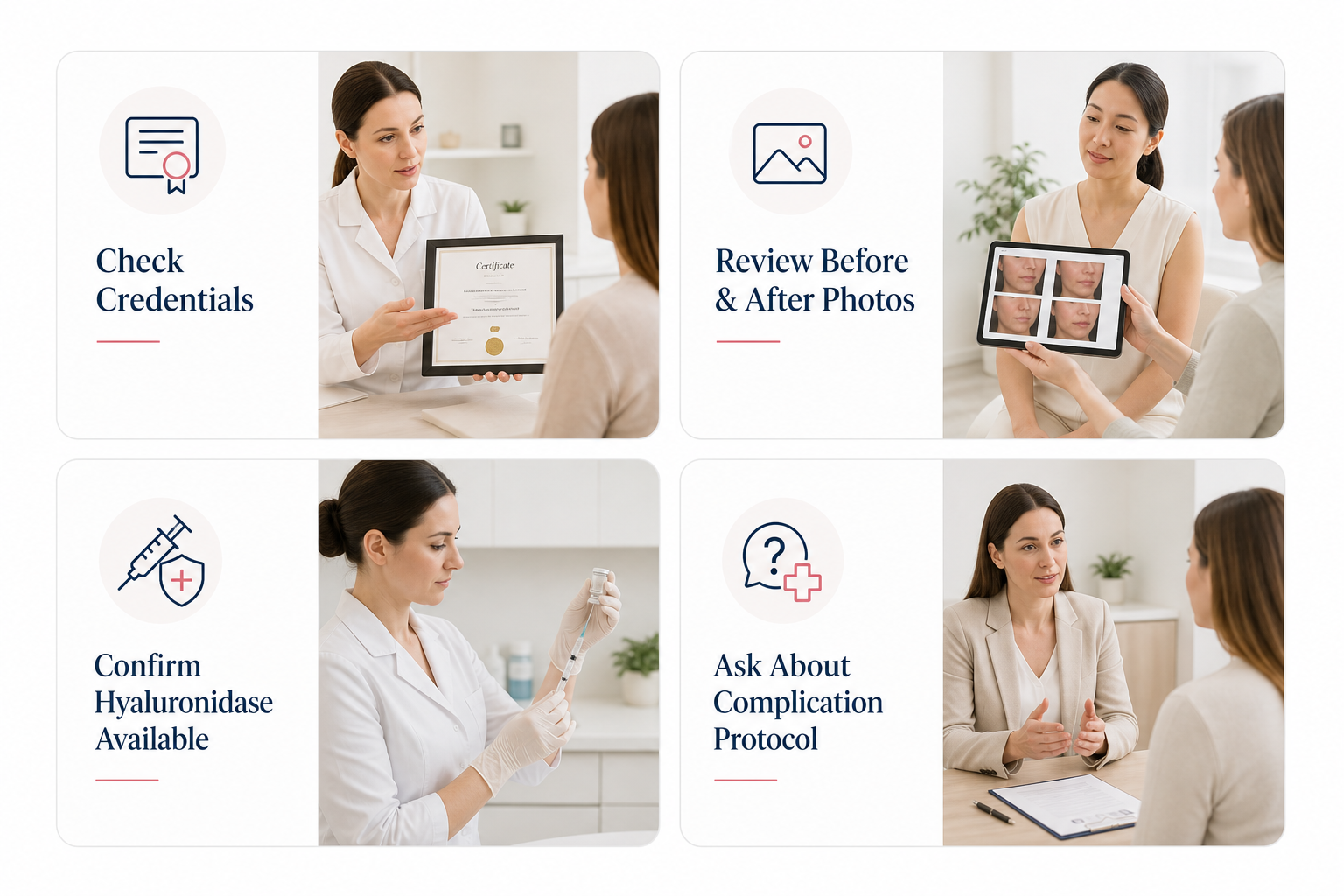
Other useful questions to raise at your consultation include: What filler product will be used, and is it FDA-approved or approved by the relevant regulatory body in your country? How much product is being recommended, and why? What are the realistic risks for someone with your anatomy and medical history? What is the clinic’s protocol if a complication develops after you leave? How long will results last, and what does maintenance typically involve?
You should also disclose any previous lip filler treatment at your consultation, even if the visible effect has faded. Hyaluronic acid filler can persist in tissue for longer than its cosmetic effect suggests — sometimes for a year or more. Undisclosed prior filler can affect how new product integrates and may increase the risk of overcorrection or uneven results. Your injector may recommend an assessment or, in some cases, partial dissolution with hyaluronidase before adding new volume.
Who Should Not Have Lip Fillers
Lip filler treatment is not appropriate for everyone. Pregnancy and breastfeeding are contraindications — the safety of injectable hyaluronic acid fillers during pregnancy or nursing has not been established, and treatment should not proceed during these periods. Active infection, cold sore outbreak, or open wounds in or around the lip area are also reasons to postpone treatment. Certain autoimmune conditions, bleeding disorders, or medications that cannot safely be paused may affect suitability, and a thorough medical history review at consultation is essential. Patients with a known allergy to any component of the filler product should not receive that product.
Setting realistic expectations is also part of preparation. Lip filler enhances volume, shape, and definition — it does not transform facial structure. Results typically take two to four weeks to fully settle as initial swelling resolves, and the final outcome may look different from the immediate post-treatment appearance. Discussing your goals clearly at consultation, including showing reference images if helpful, reduces the risk of disappointment and helps your injector plan the treatment appropriately.
Lip Filler Preparation Checklist
- Two weeks before: Review all medications and supplements with your injector or prescribing doctor. Avoid dental procedures, chemical peels, microneedling, laser treatments, and upper lip waxing or threading.
- One week before: Begin pausing fish oil and omega-3 supplements, vitamin E, ginkgo biloba, and other supplements with blood-thinning properties (as advised). Reduce alcohol intake. Reduce salt intake and increase water intake.
- 48 to 72 hours before: Stop NSAIDs such as ibuprofen, aspirin, and naproxen if medically appropriate. Avoid alcohol for at least 24 to 48 hours before your appointment. Pause retinoids and exfoliating acids on the lip area.
- If you have cold sore history: Arrange antiviral prophylaxis with your injector or GP before your appointment date.
- Day of appointment: Arrive with a clean, makeup-free face. Eat a light meal and stay hydrated. Wear comfortable clothing. Avoid strenuous exercise before and for 24 hours after treatment.
- At consultation: Disclose all medications, supplements, medical history, and previous filler. Ask about hyaluronidase availability. Review before-and-after photos. Discuss realistic expectations.
Frequently Asked Questions
How long before lip fillers should I stop taking ibuprofen?
Most practitioners recommend stopping ibuprofen and other NSAIDs at least 48 to 72 hours before your appointment, with one week being a more cautious approach. If you take aspirin for a medical reason, do not stop without speaking to your prescribing doctor first. Use paracetamol (acetaminophen) for pain relief in the interim if needed, and confirm this with your provider.
Can I exercise before my lip filler appointment?
Light activity on the day of your appointment is generally fine, but intense exercise that significantly raises your heart rate and blood pressure is best avoided for 24 hours before and after treatment. Elevated blood pressure increases blood flow to the treatment area and can worsen bruising and swelling.
Can I get lip fillers if I have a history of cold sores?
Yes, but you must disclose your cold sore history to your injector before treatment. Antiviral prophylaxis — typically a short course of valacyclovir or acyclovir — is recommended to prevent HSV-1 reactivation triggered by needle trauma. Treatment should not proceed if you have an active outbreak at the time of your appointment.
Should I eat before my lip filler appointment?
Yes. Eating a light meal one to two hours before your appointment helps maintain stable blood sugar and reduces the risk of lightheadedness or a vasovagal response during or after treatment. Avoid arriving on an empty stomach.
Can I wear makeup to my lip filler appointment?
It is best to arrive with a clean, makeup-free face, particularly without any lip products. Makeup on the skin surface can introduce bacteria into injection sites. If you prefer to wear makeup elsewhere on your face, ensure the lip area and surrounding skin are clean and product-free before treatment begins.
How soon before a wedding or event should I get lip fillers?
Schedule your lip filler appointment at least two weeks before any major event. Initial bruising and swelling can take up to ten to fourteen days to fully resolve, and results continue to settle as swelling subsides. Allowing two weeks gives you a realistic buffer and time to address any concerns with your injector if needed.
Do I need to tell my injector about previous lip filler?
Yes. Always disclose previous lip filler treatment, even if the cosmetic effect has faded. Hyaluronic acid filler can remain in the tissue for longer than its visible effect suggests. Undisclosed prior filler can affect how new product integrates and may increase the risk of uneven results or overcorrection.
Making the Most of Your Lip Filler Appointment
Thorough preparation is one of the most practical things you can do to support a safe, comfortable lip filler experience and a result you are happy with. The steps involved — pausing certain medications and supplements, adjusting lifestyle factors, disclosing your full medical history, and choosing a qualified injector — are straightforward but genuinely impactful. They reduce the likelihood of avoidable side effects and give your injector the information they need to treat you well.
If you are unsure about any aspect of preparation — particularly around prescription medications, existing medical conditions, or previous filler — raise these questions at your lip filler consultation rather than making assumptions. A responsible, experienced injector will welcome these conversations and will not proceed with treatment if there is any reason to believe it is not safe or appropriate for you on a given day. Taking the time to prepare properly is not overcaution; it is simply good practice.
